Maritime Security Flashpoint: Concerns Mount Over Resurging Piracy Threats Near Somalia
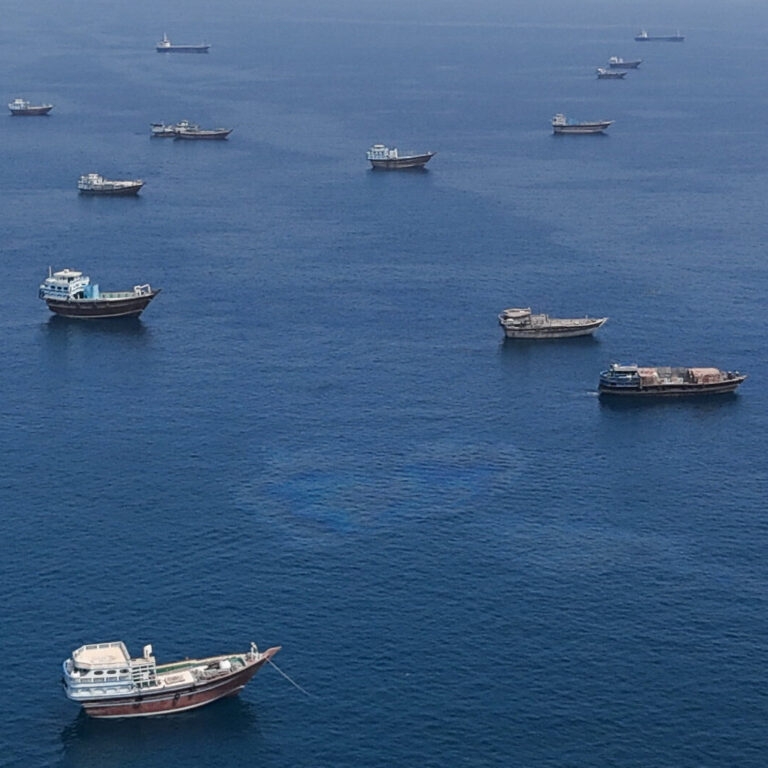
Maritime security concerns have escalated significantly concerning the waters near the Somali coast. Reports indicate a noticeable resurgence of piracy activity, taking advantage of areas that are currently experiencing reduced levels of governmental patrolling. This evolving security landscape poses a substantial risk to commercial shipping and traditional fishing operations alike. The challenges associated with monitoring such an extensive coastline remain pronounced, creating exploitable gaps in maritime defense.
The increased operational risk is impacting more than just commercial vessels. Local populations, including fishermen, are reportedly venturing out into these areas. This movement, seemingly opportunistic, suggests that despite the elevated danger signals, economic necessity is compelling local livelihoods to operate in less secure maritime zones. This convergence of risk—where economic desperation meets lax patrol coverage—is fueling current anxieties among the international maritime community.
What This Means for Global Trade
The re-emergence of organized piracy operations has immediate and tangible implications for global supply chains that transit the Horn of Africa. Insurance premiums for vessels transiting these routes are expected to remain volatile and high, increasing the cost of goods carried through the region. Shipping companies must significantly re-evaluate their established routes and security protocols to mitigate potential losses. Furthermore, the incident underscores a critical need for sustained, coordinated international naval presence to deter criminal activity effectively.
Context of Coastal Governance Challenges
The underlying challenge is rooted in the immense logistical difficulty of securing a vast and complex coastline. Effective state-level patrolling across such an area requires substantial, continuous resources that are presently strained. Historically, these waters have been hotspots for maritime insecurity, and the current operational vacuum allows criminal elements to test the boundaries of enforcement. Official analyses suggest that any long-term stabilization of the area must involve rebuilding robust, internationally supported naval and coast guard capabilities to deter repeat offenses.
Navigating the Economic Imperative
Beyond the threats to international shipping, the situation highlights a profound socioeconomic dynamic. The necessity for local economies, particularly those dependent on artisanal fishing, compels individuals to proceed despite the documented dangers. This suggests a complex interplay where immediate economic survival overrides long-term safety considerations. Addressing the root causes of piracy—such as instability and poverty—requires integrated humanitarian and security strategies alongside purely military deployments to achieve lasting peace at sea.
About the Author