Geopolitical Flashpoint: Assessing the Danger of Escalating US-Iran Military Tensions
Recent military exchanges between the United States and Iran have ignited serious concern among geopolitical analysts regarding the potential for a wider, more dangerous escalation. The pattern of hostile actions, which includes strikes against energy infrastructure and confrontations at sea, suggests that the region’s stability is at a critical juncture. These heightened tensions are drawing international attention because the possibility of a major conflict disrupting global energy flows and maritime trade is a significant global risk.
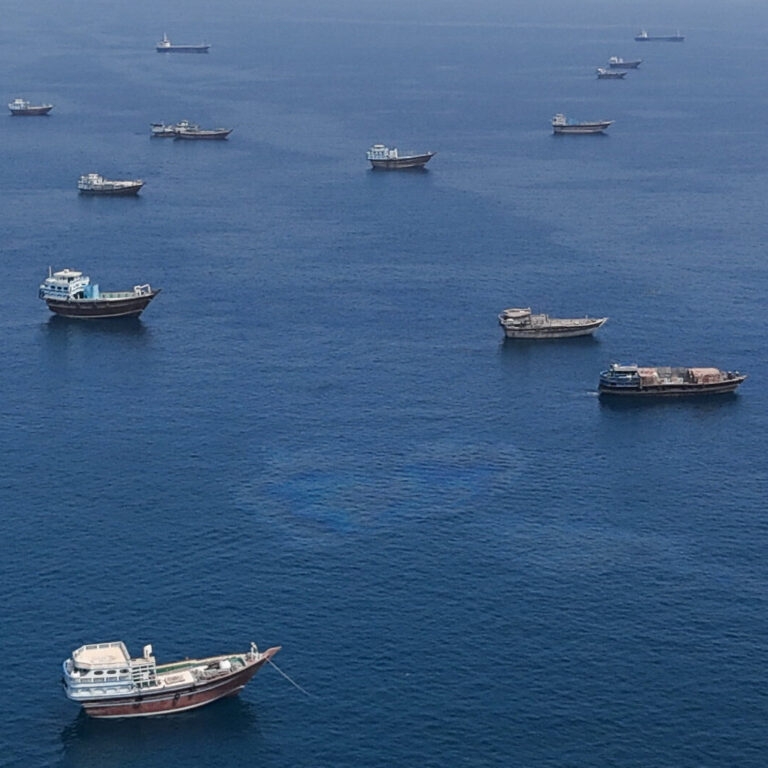
The nature of the reported incidents—such as strikes targeting oil tankers suspected of Iranian origin, alongside armed encounters involving personnel at sea—points toward a sustained period of high-stakes military posturing. Rather than isolated skirmishes, these events appear to be unfolding within a cycle of escalating confrontation. This continuous buildup raises alarm bells about the credibility of de-escalation efforts and the potential for miscalculation between the involved parties.
The Gravity of the Confrontation
The most pressing concern stemming from these military actions is the risk of the situation spiraling into a full-scale conflict. Such an escalation would not only impact regional security but would also send shockwaves through global markets, particularly those dependent on stable oil and shipping lanes. The targeting of maritime assets, which are crucial arteries for international commerce, elevates the stakes considerably, moving the potential conflict beyond limited military exchanges into a sphere threatening global economic stability.
Furthermore, the documented loss of life during these operations—specifically the reported casualties among international personnel during maritime engagements—underscores the immediate danger. These incidents transform abstract geopolitical tensions into very real human costs, increasing the pressure for diplomatic interventions to prevent further bloodshed.
Understanding the Underlying Dynamics
This persistent friction reflects deep, long-standing strategic disagreements over regional influence, the balance of power, and the control of vital waterways. When major powers operate under such elevated levels of antagonism, the threshold for unintended conflict appears to be lowering. Experts emphasize that the risk is not merely in the next strike, but in the cumulative effect of unresolved disputes and mutual suspicion that define the current operational environment.
The focus, therefore, shifts from simply reporting the latest strike to analyzing the systemic failures that allow such cycles of aggression to continue. International bodies and diplomatic actors are under immense pressure to develop robust mechanisms to de-escalate tensions before a localized dispute solidifies into a region-wide crisis.
Significance and Impact: A Global View
The implications of sustained US-Iran hostility extend far beyond the immediate geographic area of conflict. The maritime security aspect alone is paramount, as disruptions to key shipping routes can trigger immediate price spikes for commodities worldwide. Additionally, heightened conflict risks undermine diplomatic efforts aimed at broader regional stability, potentially encouraging proxy confrontations across multiple theaters. The global community watches keenly, recognizing that a major escalation could trigger cascading economic downturns and humanitarian crises across the Middle East and beyond.
Contextual Background: A History of Tension
The current heightened activity builds upon a history of complex geopolitical rivalry. The strategic importance of the Persian Gulf region, given its status as a primary global source of energy, means that any confrontation involving major powers is inherently scrutinized by global markets and international diplomatic bodies. This context of vital economic dependency makes any perceived military uptick exponentially more threatening, demanding constant diplomatic vigilance to prevent a rapid descent into armed conflict.
About the Author