Thai Court Imposes Death Penalties for Major 2015 Terror Incident
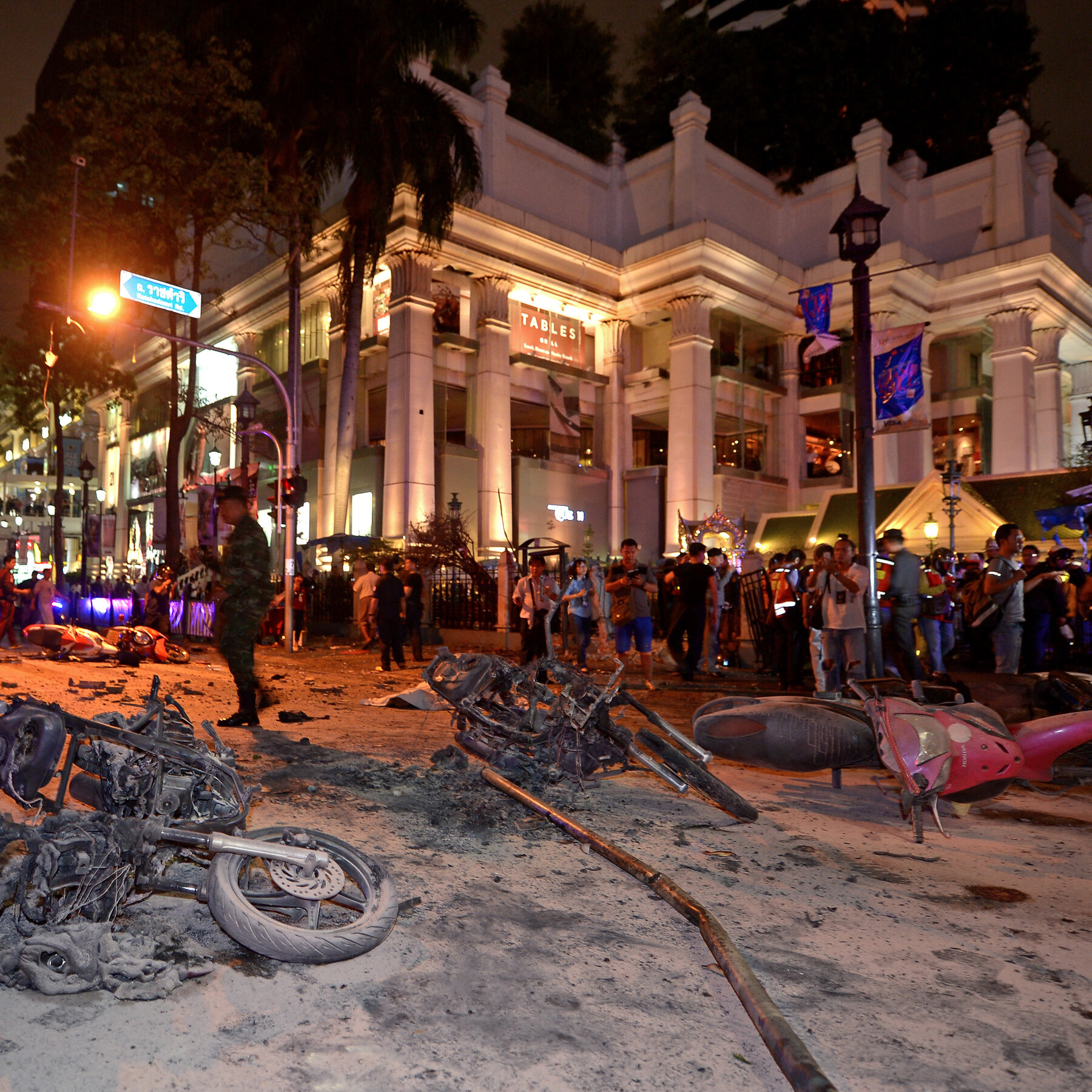
A significant legal judgment has been rendered by a Thai court, confirming the conviction of two men linked to a deadly terrorist attack that struck a religious site in Bangkok in 2015. The violence targeted a Hindu shrine, resulting in the confirmed deaths of approximately twenty individuals, with numerous others sustaining injuries during the coordinated attack. The men at the center of the proceedings were identified as Uyghur nationals.
The judicial proceedings culminated in the imposition of the death penalty against the two defendants. This outcome represents a major legal action related to the significant act of terrorism that deeply affected the cultural and religious landscape of the city. The verdict underscores the gravity with which Thai authorities view threats against public safety and religious institutions.
The Broader Implications of the Conviction
The sentencing highlights the state’s resolve to prosecute and punish acts of politically or religiously motivated violence. The conviction serves as a strong deterrent, sending a clear message regarding the consequences of engaging in acts that target civilian life within a major metropolitan area. For the community and the broader Thai populace, this judgment signals a renewed commitment to maintaining internal security and safeguarding places of worship.
Context Surrounding the Incident
The incident itself occurred at a prominent Hindu temple, making the targeting of a place of worship particularly inflammatory. Such attacks draw intense international and local scrutiny, as they challenge the perceived stability and peaceful nature of Thailand’s diverse cultural makeup. The legal process surrounding the case involved complex investigations into the motivations and logistics behind the planned assault.
The judicial findings regarding the nationality and alleged affiliations of the perpetrators place the case within a broader geopolitical context concerning ethnic and ideological tensions. While the focus remains on the criminal judgment, the underlying dynamics of transnational radicalization are frequently discussed by security experts studying such events across Southeast Asia. The successful conclusion of this legal matter, however, firmly roots the event within the national legal framework of Thailand.
About the Author