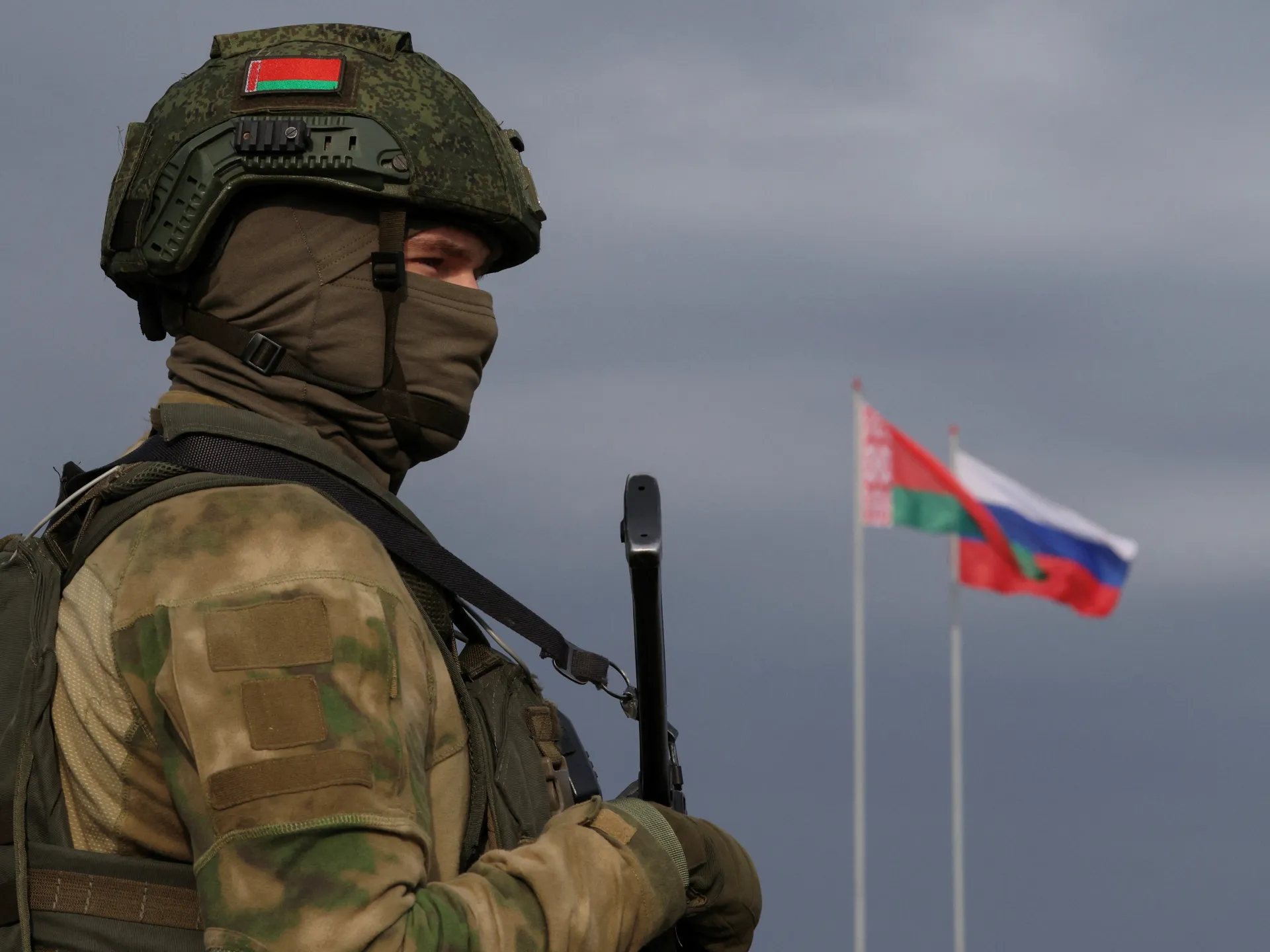
Rising Geopolitical Flashpoint: Joint Nuclear Drills Heighten International Concern
The recent execution of joint military drills involving Belarusian and Russian forces, specifically focusing on nuclear weapon combat scenarios, has generated significant alarm among international observers, particularly within NATO and neighboring nations. Official statements confirm that the training was a pre-planned exercise designed to assess military readiness and practice combat operations from various unprepared locations across Belarusian territory. Authorities involved maintain that these maneuvers are routine and are not intended as a demonstration aimed at any specific third party.
Despite reassurances of routine readiness checks, the nature of the drills—involving nuclear assets—has drawn sharp international criticism. Key geopolitical partners and neighboring states have reacted with deep apprehension, viewing the exercises as contributing to an unstable and volatile security environment on Europe’s borders. The focus of the concern centers on the perceived escalation risks inherent in such joint military actions.
The Significance of the Exercises
The staging of nuclear drills fundamentally changes the diplomatic and security calculus in the region. From the perspective of concerned nations, positioning nuclear assets in a country bordering advanced military alliances raises profound alarm bells regarding regional stability. Such joint exercises are viewed not merely as military training, but as a powerful signal that could destabilize established norms of arms control and deter de-escalation efforts. Critics emphasize that such actions set a dangerous precedent concerning the proliferation and readiness of nuclear capabilities outside established deterrence frameworks.
Geopolitical Context and Dependencies
The integration of Russian tactical nuclear weapons into Belarus’s military infrastructure stems from a deeper relationship between the two nations. Belarus’s economy has long shown substantial reliance on Moscow. Leadership in Belarus has publicly linked the stationing of these weapons to perceived security needs amidst heightened tensions with Western alliances. Furthermore, the leadership in Minsk has reportedly indicated an aspiration to leverage these security arrangements to improve its international standing, including efforts to re-engage with Western powers following periods of heightened diplomatic isolation.
These activities occur against a backdrop of sustained international pressure regarding regional conflict dynamics. The emphasis on testing combat readiness in these specific weapons systems underscores a palpable shift in regional strategic posture, drawing intense scrutiny from the global community regarding adherence to nuclear non-proliferation agreements.
About the Author