Global Health Security Concerns: How Funding Reductions Impact Pandemic Preparedness
Leadership within the global health community has recently sounded an alarm regarding the sustainability of preparedness efforts. Key international health bodies are drawing attention to a developing correlation between reductions in financial resources allocated to global health initiatives and the flare-ups of serious infectious diseases. Officials suggest that cuts to funding streams are creating vulnerabilities that could allow pathogens, such as those causing Ebola and hantavirus, to resurge or spread more easily.
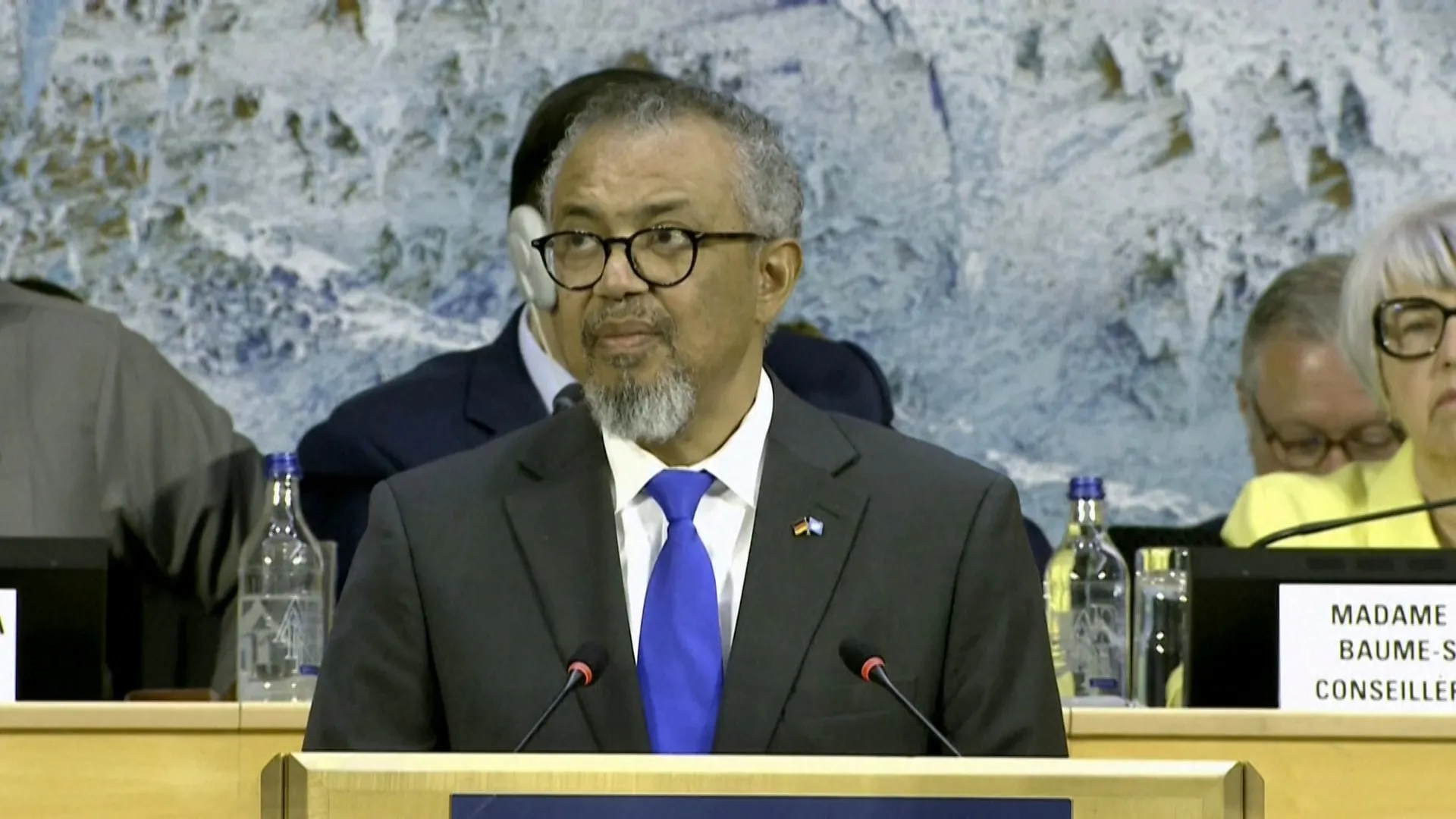
The discussion, taking place at major assemblies, focused on the precarious state of global health mechanisms. Representatives highlighted that the capacity to respond rapidly to outbreaks is directly linked to consistent, predictable funding. When financial support becomes unstable or diminishes suddenly, the essential infrastructure—from surveillance networks to emergency response teams—is placed at risk. This instability, it is argued, heightens the threat profile for entire regions.
What This Means: The Erosion of Readiness
The implication of these funding discussions is a more tangible threat to public health security. Epidemics are not just biological events; they are also systemic failures that can be exacerbated by administrative gaps. When donor commitments waver or funding sources are curtailed, countries and international organizations must divert resources away from proactive measures—like routine monitoring or preventative stockpiling—to simply maintain core operations. This reactive posture significantly weakens the global defense against emergent pathogens. Consequently, the risk posed by zoonotic or known severe diseases increases substantially.
Experts suggest that pandemic planning must account for sustained investment rather than stop-gap measures. The warning signals a shift in focus: moving from simply treating outbreaks after they occur to building resilient, financially robust systems capable of anticipating and mitigating threats before they become major crises. Maintaining a baseline level of funding is viewed as crucial for continuous preparedness.
Background and Context: The Donor Dependency Dilemma
The global health architecture relies on a complex web of contributions from member nations and private entities. Historically, the withdrawal or scaling back of contributions from major financial backers introduces volatility. Official statements have pointed to significant alterations in financial support that have impacted operational budgets across various international health bodies. These shifts in major funding streams necessitate immediate reassessment of ongoing research, surveillance activities, and regional health security programs.
The concern is that the funding cuts are not isolated incidents but part of a pattern affecting long-term operational stability. Adequate funding is necessary to support the full spectrum of public health work, which includes everything from monitoring common wildlife reservoirs to developing novel treatments for hemorrhagic fevers. The consensus emerging from the assemblies is that without stable financial backing, the ability to track and contain outbreaks of diseases like Ebola or hantavirus—which can emerge unpredictably across different ecological zones—will be severely hampered.
About the Author