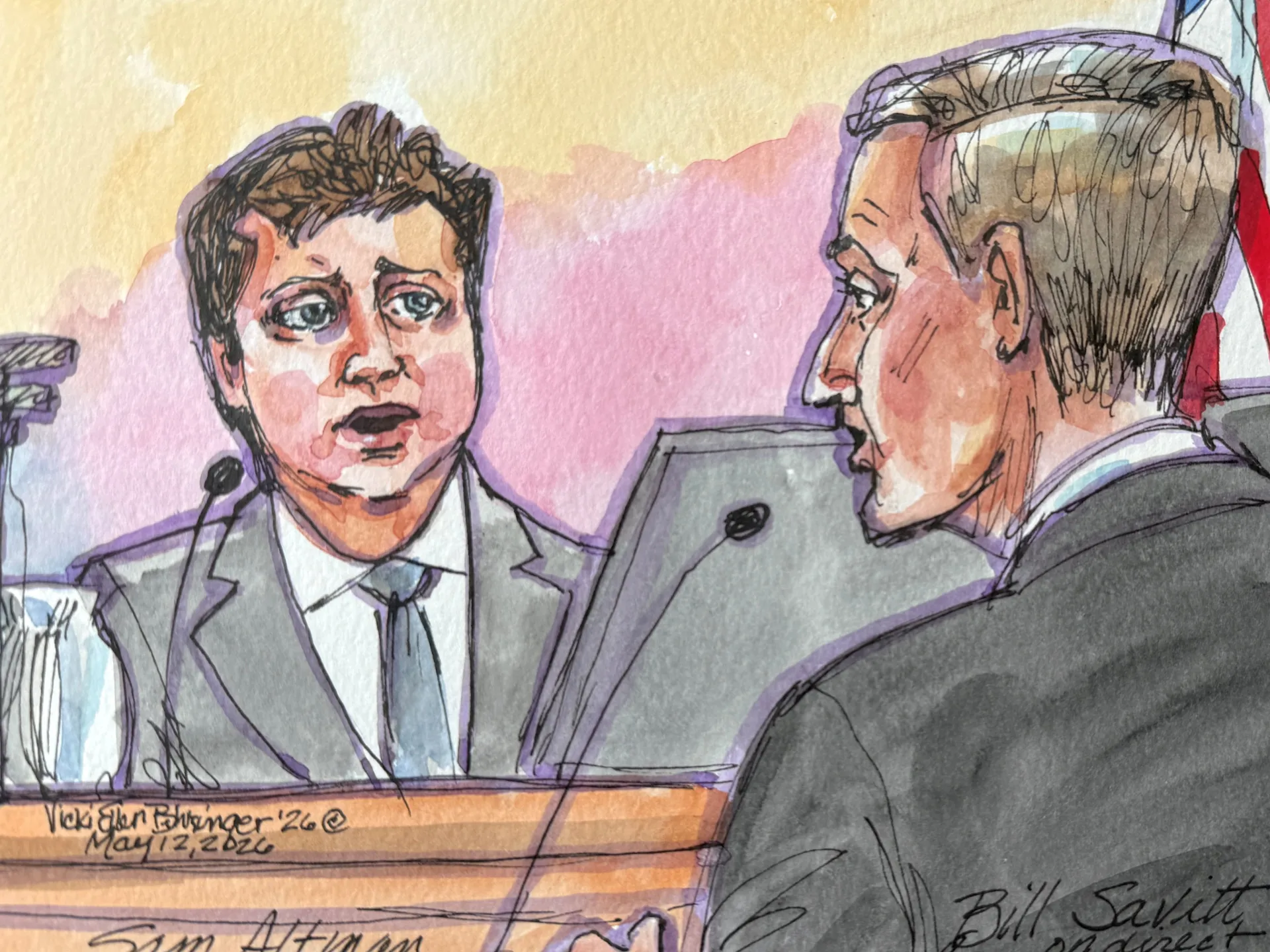
A federal jury in Oakland, California, returned a unanimous verdict ruling against Elon Musk in his lawsuit concerning the artificial intelligence firm, OpenAI. The jury concluded that Musk’s claims alleging that OpenAI had abandoned its foundational commitment to humanity were time-barred, asserting that the legal action was filed too late.
The trial, which drew intense scrutiny regarding the direction of the burgeoning AI industry, centered on a deep-seated disagreement between Musk and the leadership of OpenAI. Musk, a co-founder of the organization, had previously invested substantial capital and, by 2024, accused the company’s leadership of prioritizing profit motives over its original altruistic goals.
The verdict signifies a notable legal setback for Musk. While his legal representatives indicated an intention to pursue an appeal, the presiding judge suggested that the viability of such an appeal might be questionable, citing the substantial evidence supporting the jury’s finding regarding the statutes of limitations.
The Core Dispute Over Corporate Purpose
The conflict exposed a profound divergence in vision regarding the future of advanced AI development. OpenAI’s structure and rapid ascent—culminating in the creation of groundbreaking products like ChatGPT—generated immense wealth and public attention. At the heart of the dispute was whether the company remained bound by its initial non-profit ideals or if its path naturally shifted towards commercial viability as it scaled into a globally valuable entity. OpenAI’s defense emphasized that there was no perpetual guarantee of remaining strictly non-profit, a point they argued Musk was fully aware of.
Context of the Silicon Valley Rift
The breakdown between the two prominent tech figures followed several contentious periods for the company. Musk’s withdrawal of funding significantly exacerbated tensions between the former allies. The dispute intensified following key corporate governance moments, including the tumultuous events involving the dismissal and subsequent reinstatement of OpenAI’s CEO. Each side presented testimony casting doubt on the other’s ultimate loyalties, with accusations flying about whether financial ambition or public good dictated corporate decisions.
Significance of the Ruling
This legal resolution provides a key judicial checkpoint concerning the operational autonomy of large-scale foundational AI companies. By ruling on the statute of limitations, the decision addressed the legal timeliness of oversight claims against rapidly evolving private entities. The outcome suggests that, legally speaking, internal disagreements over corporate drift—even when involving significant initial investment—do not automatically grant an individual the right to intervene years after the initial agreement was established.
About the Author




