Lebanon Experiences Renewed Crossfire as Israeli Military Activity Intensifies
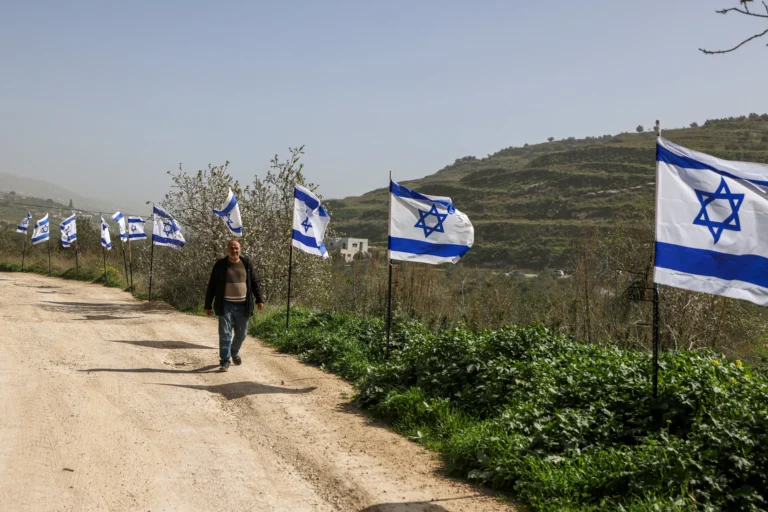
Recent reports from Southern Lebanon indicate a significant uptick in Israeli military operations, leading to casualties among the civilian population. Specific incidents, including raids on vehicles in the community of Yohmor al-Shaqif, resulted in multiple fatalities. These actions are unfolding amid a tense environment, occurring despite the recent extension of a truce period that was intended to stabilize the volatile region.
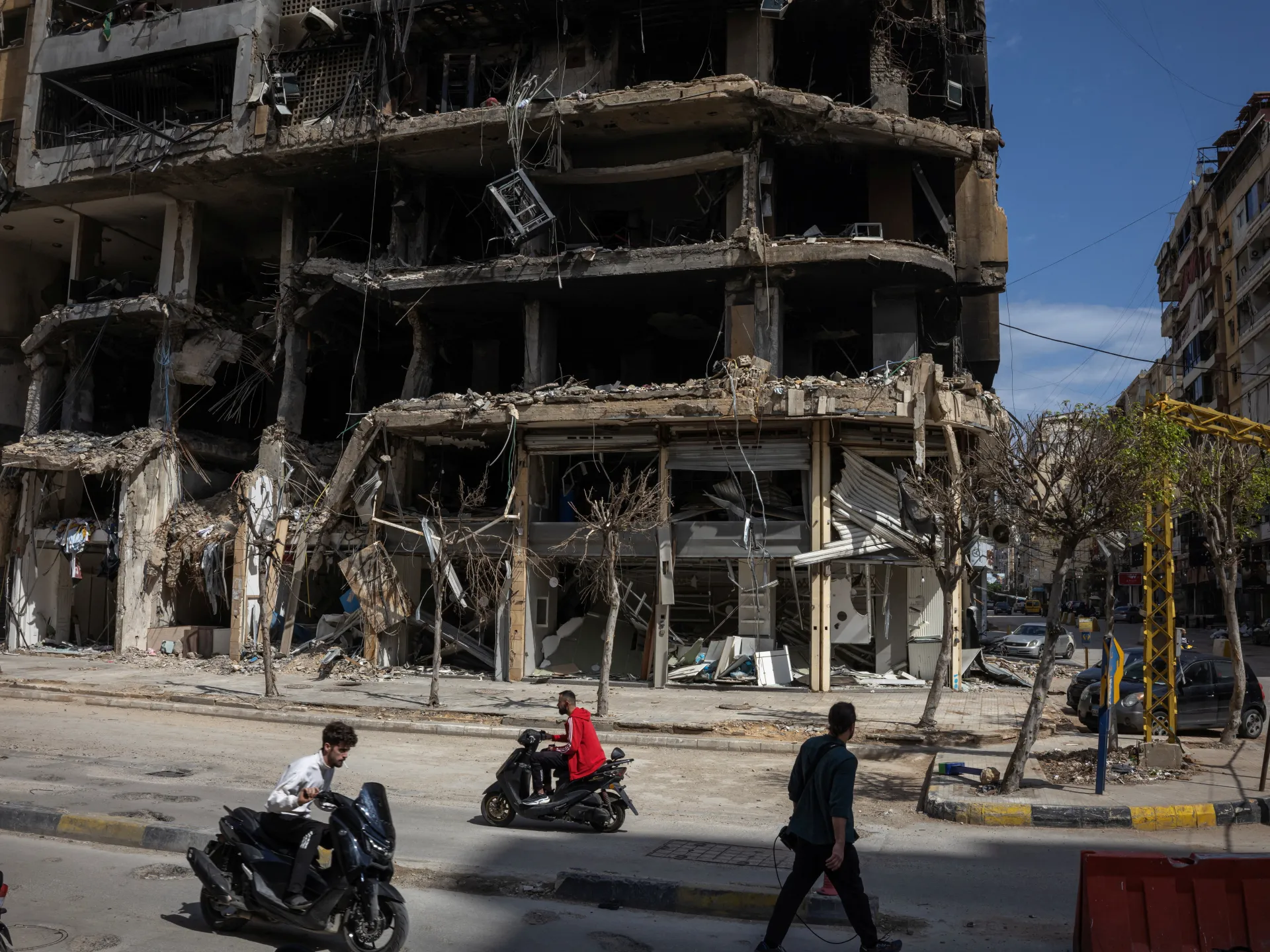
The persistent nature of these military incursions suggests a significant breakdown in the de-escalation efforts. Observers have noted that Israeli military actions are extending into areas that were previously considered under a form of operational restraint. Simultaneously, reports of explosions and structural damage have been circulating across various towns in the south, adding to the palpable sense of instability.
Significance of the Escalation
The continuation of military actions, particularly the targeting of civilian infrastructure and vehicles, raises serious concerns regarding the viability of the existing cease-fire arrangements. For local authorities and regional observers, these incidents signal that the underlying military tensions remain high. The pattern of engagement suggests that pre-agreed limitations on combat have been effectively disregarded, leading to increased risk for residents and compounding the already fragile security situation in the area.
Furthermore, political statements from key regional players underscore a deep disagreement over the nature and sustainability of the truce. Certain local political figures have explicitly stated that such hostile actions nullify the protective value of any ceasefire agreement, thereby justifying potential retaliatory measures to defend the local populace and territory.
Operational Context and Military Posturing
Official statements from the involved parties highlight a fundamental dispute regarding the interpretation of the truce terms. One side asserts a right to unimpeded freedom of action when perceiving threats, arguing that such preemptive measures are necessary to secure the region. Conversely, others maintain that the deliberate pattern of attacks—which include shelling and ground raids—constitutes a direct violation of the cessation of hostilities. These differing interpretations create a volatile diplomatic and military landscape, making any return to calm difficult without substantial, verifiable guarantees of mutual adherence to de-escalation protocols.
The cumulative effect of these reported incidents—from vehicle raids to alleged structural demolitions—paints a picture of a protracted and unstable security confrontation. The focus remains on whether the international community and regional actors can enforce a durable cessation of violence or if the cycle of conflict and reaction will continue.
About the Author