Navigating Instability: How Immigrant Veterans Face Fears of Removal Despite Military Service
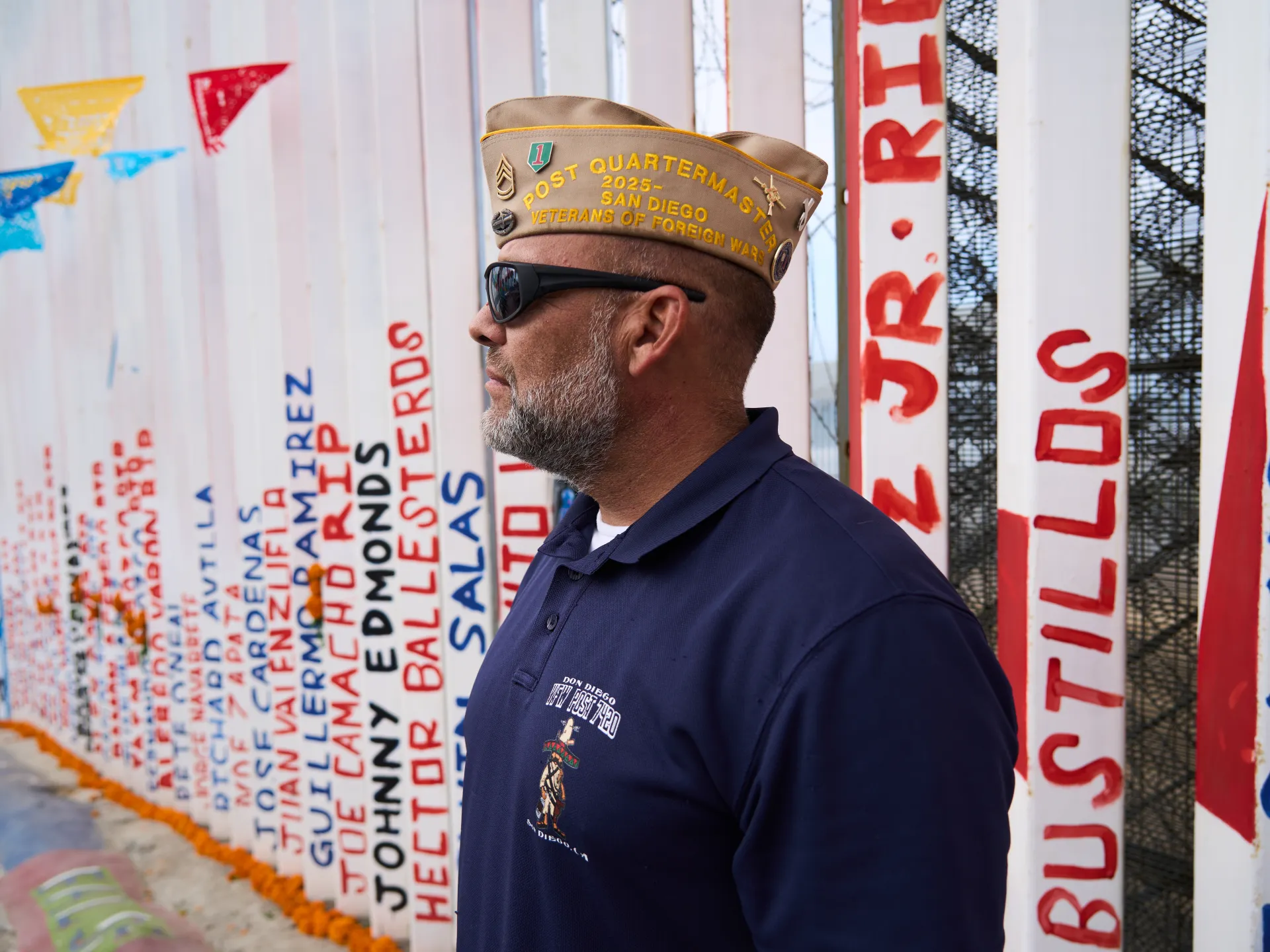
For many who have dedicated a significant portion of their lives to the United States—including those who have served in its armed forces—the threat of mass deportation presents a profound source of anxiety. This apprehension is particularly acute among immigrant veterans, whose commitment to service often clashes with unpredictable changes in immigration policy. The idea of having established a life, built community ties, and paid their dues through military service, only to face potential removal, creates a deeply unsettling sense of precariousness.
This tension is exemplified by individuals like Benito Miranda Hernandez. Having served multiple deployments as a member of the U.S. military, Hernandez embodies a life intertwined with American service. His current employment, part of a reintegration effort following incarceration, represents a tangible step toward stability. However, the shadow of potential immigration enforcement remains a dominant concern. The knowledge that basic daily activities, like walking through a neighborhood or exiting a rehabilitation program, could lead to detention introduces a paralyzing element of uncertainty into their efforts to build a secure future.
The Looming Threat and Its Impact
The heightened rhetoric surrounding large-scale deportation operations has directly fueled these fears among immigrant service members. Official policy pronouncements regarding the removal of large populations create an atmosphere of palpable risk. For veterans who are not citizens, the distinction between having served the nation’s interests and possessing permanent residency rights becomes dangerously narrow. This policy climate suggests that an individual’s past contributions, including their time in uniform, may not offer adequate protection against state action.
Context of Military Service and Community Building
The experience of military service often instills a strong sense of duty and belonging to a cause. For many immigrant veterans, their commitment to the U.S. is deeply personal, sometimes viewing service as fundamental to their sense of self or purpose. This sense of dedication contrasts sharply with the abrupt, impersonal nature of deportation proceedings. Official statements suggest these actions target specific demographics, yet the ripple effect impacts any individual residing in the country who lacks full citizenship status, regardless of their loyalties or service record.
A Struggle for Stability
Ultimately, the concern for this group transcends simple legal status; it touches upon the core of their ability to establish a stable existence. Having invested time, effort, and personal history within the country—often through years of difficult reentry processes following legal troubles—the potential for sudden separation creates significant mental and logistical hurdles. The ongoing uncertainty forces these veterans to live under a constant state of alert, complicating their efforts to achieve the normalcy and stability that service and rehabilitation are meant to provide.
About the Author