Escalating Tensions in the Persian Gulf: Political Rhetoric Meets Geopolitical Headwinds
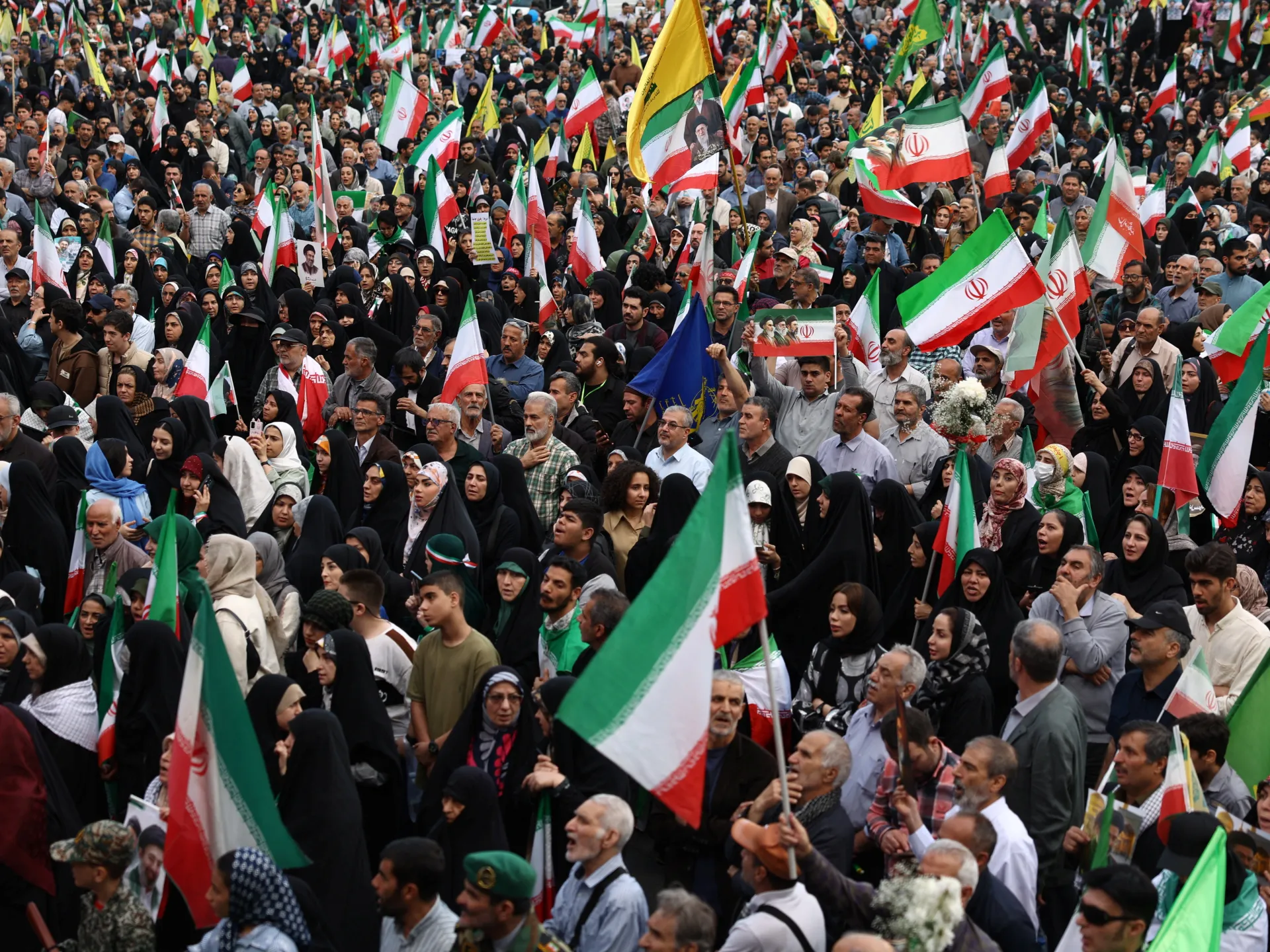
The diplomatic relationship between the United States and Iran remains highly fraught, marked by intense public sparring from political figures on both sides. Recent statements from prominent political actors suggest a continued disagreement over regional stability and the appropriate level of international engagement. Specifically, pronouncements from a former U.S. President have strongly urged Iran to alter its current trajectory, advocating for a cessation of certain state activities.
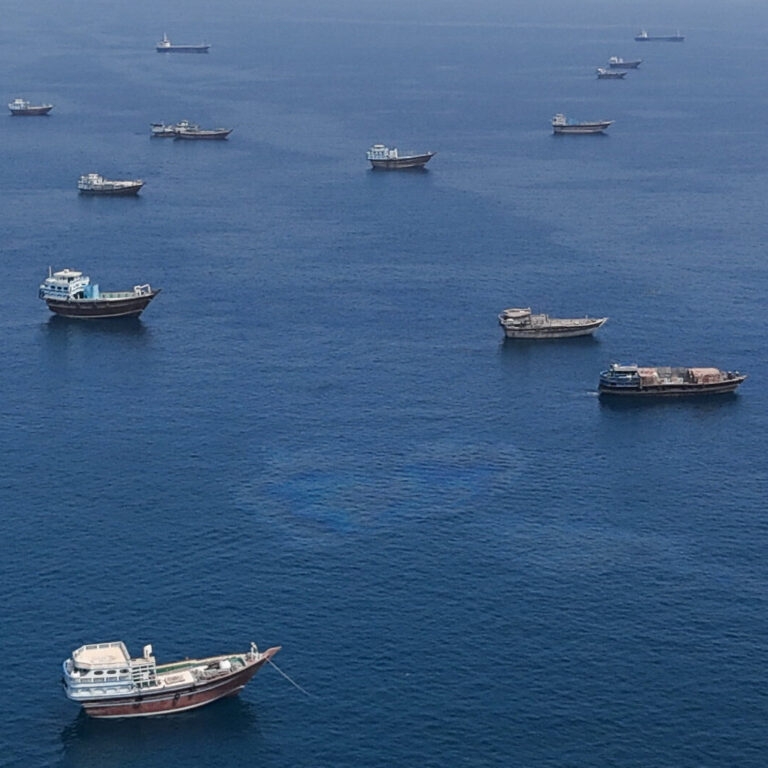
Simultaneously, high-ranking Iranian officials have responded by publicly dismissing the efficacy of the external pressure campaign. These diplomatic challenges often occur against a backdrop of volatile global markets, particularly concerning energy commodities. The persistent geopolitical tension, exemplified by the ongoing standoff in critical maritime chokepoints, keeps the spotlight fixed on regional flashpoints.
The interplay between verbal posturing and tangible economic realities creates a complex diplomatic environment. When global energy benchmarks show upward momentum, the impact of regional instability—such as blockades or maritime disruptions—becomes an immediate and palpable concern for global economies. This dynamic forces observers to weigh political rhetoric against the concrete pressures felt in international trade and energy markets.
The Significance of the Current Standoff
The ongoing rhetoric highlights a fundamental divergence in strategy concerning regional governance. From one viewpoint, sustained external pressure is deemed the necessary mechanism to enforce compliance with international norms. This perspective suggests that visible governmental messaging—even when aggressive—serves a purpose in shaping the opponent’s policy calculus. Conversely, the Iranian stance, as articulated by its representatives, frames such pressure as ineffective, suggesting that domestic resilience and alternative economic pathways can negate the intended coercive effect.
The real-world significance lies in the potential for miscalculation. While political figures engage in sparring matches, the actual maritime routes and energy flows connecting global economies are the ultimate determinants of stability. The persistent focus on access and transit through vital waterways means that any escalation, regardless of the source, carries profound implications for global supply chains and energy pricing mechanisms.
Contextualizing the Regional Dynamics
Geopolitical positioning in the Persian Gulf has historically been characterized by competing regional interests and external great-power involvement. The Strait of Hormuz, for example, represents an unparalleled point of strategic importance given the volume of global oil and liquefied natural gas that must pass through it. Historically, this choke point has been a subject of intense international scrutiny, making any sign of increased tension immediately noteworthy.
Furthermore, the diplomatic discourse often draws parallels to past periods of elevated tension, adding layers of historical context to current actions. The interaction between national leaders and their respective policy elites tends to create cycles of escalation and de-escalation. These cycles are rarely purely ideological; they are deeply intertwined with economic imperatives, security concerns, and the desire to maintain perceived regional influence in a complex international matrix.
About the Author