University Education at Risk: Student Protests Challenge Government Austerity Measures
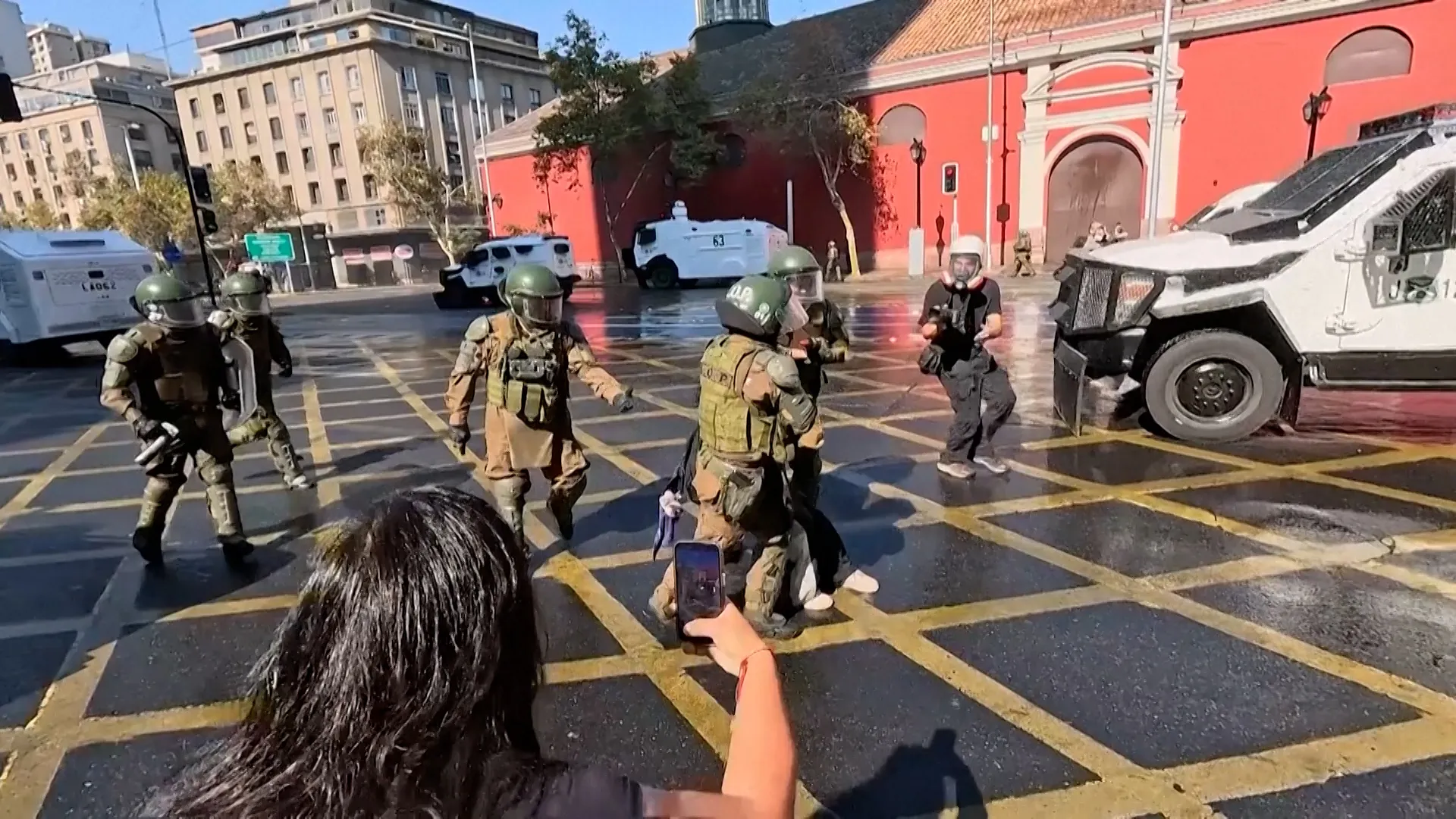
Tensions in Chile have visibly escalated as student demonstrators have taken to the streets to voice strong opposition to proposed changes within the nation’s higher education system. The protests are fundamentally centered on government plans that signal a retreat from the commitment to accessible, free tertiary learning. These proposed modifications suggest tightening financial constraints, notably through measures that could curtail established scholarship programs and increase the reliance on student financing options.
The actions of the military police have drawn significant attention, with reports detailing the use of water cannons against the sizable crowds gathered during the demonstrations. This heavy-handed response underscores the deep divisions concerning the future funding model for Chilean universities. The demonstrations represent a powerful mobilization of the student body, aiming to defend the principle of affordable and universal higher education against what activists view as severe fiscal retrenchments.
What This Means: A Battle Over Public Investment
The confrontations highlight a growing national debate regarding the sustainability and accessibility of public goods, with higher education positioned at the center. If the proposed austerity measures are implemented, the immediate impact will be felt by students and their families, who rely on the current scholarship structures to pursue degrees. The move away from subsidized funding mechanisms threatens to create a tiered system, potentially barring lower-income or marginalized students from accessing higher learning.
From an institutional perspective, the protests serve as a critical pressure point, forcing policymakers to publicly address the social contract embedded within the nation’s educational framework. The willingness of students to take to the streets indicates a belief that the current policy trajectory risks creating a significant social divide based on economic means.
Background and Context: The Shifting Funding Landscape
The discussions surrounding higher education funding are not new, but the current proposals represent a specific confluence of fiscal pressures and policy changes. Historically, Chile has championed policies that aimed to ensure education was a right, not a privilege contingent on wealth. The current discourse involves integrating these education costs into broader national fiscal reviews, which has led to the consideration of less generous funding pathways. The resistance displayed by the student population is thus not merely about specific cuts, but about maintaining the fundamental character of education as a public right, protected from market-driven austerity adjustments.
The use of crowd control measures by authorities further complicates the narrative, moving the focus from purely academic policy debate to civil order management. For activists, the confrontations themselves become a focal point, symbolizing the conflict between state-enforced fiscal discipline and the aspirational goals of the next generation of professionals.
About the Author