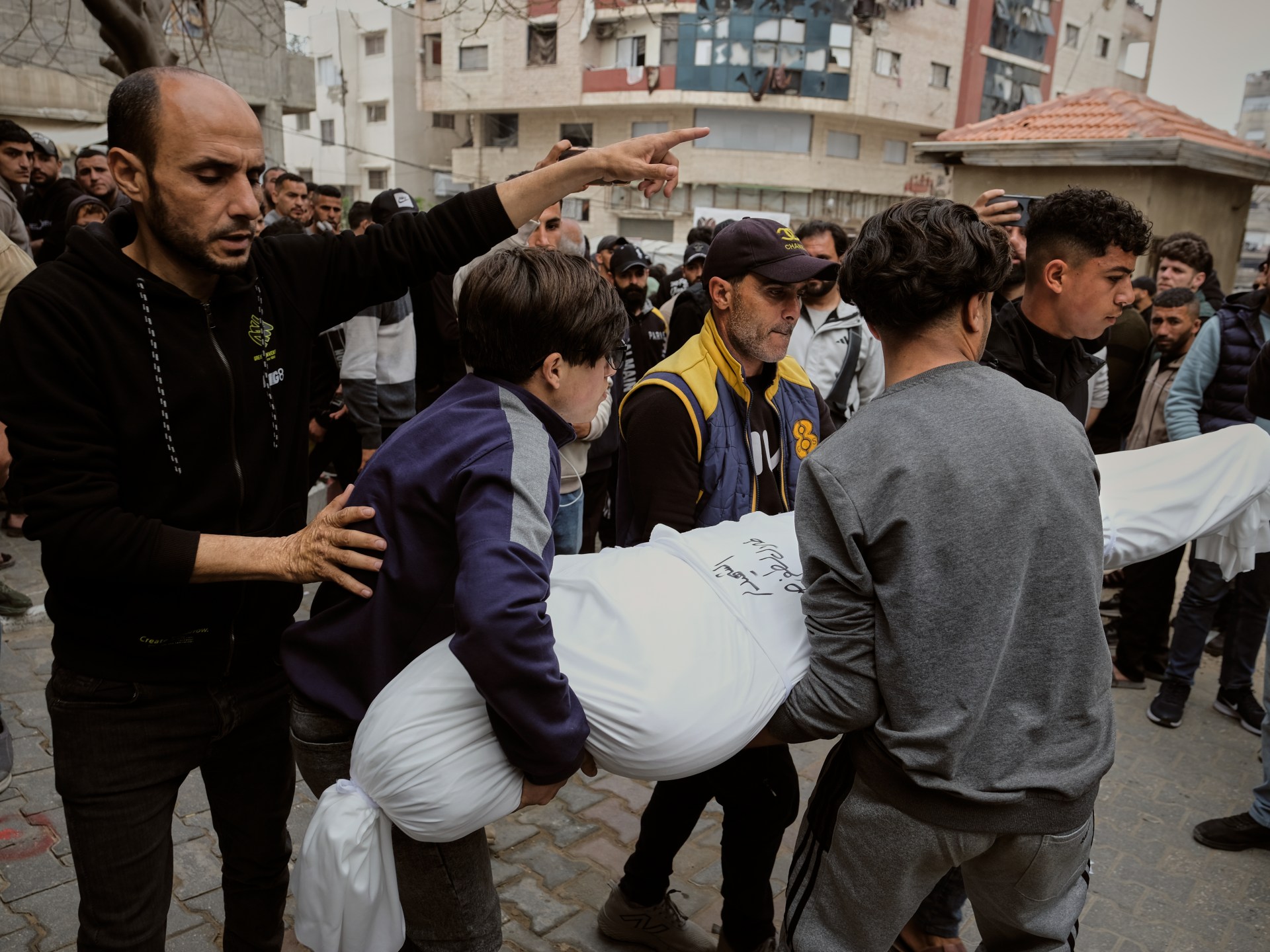
The current situation across Palestinian territories is characterized by a marked escalation of violence and displacement, with reports detailing coordinated settler actions in the West Bank alongside continued military strikes in Gaza. These incidents, once unimaginable in terms of regularity, have reportedly become routine occurrences. Experts observing the region have voiced deep concern, describing patterns of activity that they view as systematic efforts leading to widespread disruption and hardship for Palestinian civilian populations.
In Gaza, the humanitarian crisis continues to worsen amid ongoing military actions. Reports from the past week document multiple instances of civilian casualties, including strikes on populated areas and residential units. The operational environment is severely strained, with aid delivery struggling against multiple impediments. International bodies have noted significant declines in the flow of humanitarian aid into the Gaza Strip, with essential goods like flour becoming scarce, forcing residents into long queues for basic necessities such as bread.
Simultaneously, the situation in the West Bank reflects heightened friction, marked by documented episodes of settler violence and expansionist rhetoric. High-level political calls have suggested intentions toward permanent military control and settlement expansion within the area. These developments occur against a backdrop of international scrutiny concerning the scope and nature of Israeli policies in the occupied territories.
What This Means:
The persistent pattern of violence, combined with severe aid shortages, points to a deep humanitarian emergency. The reported difficulties in accessing essential supplies, coupled with the documented civilian toll in Gaza, underscore the urgency of international attention. Furthermore, the political rhetoric emphasizing permanent military occupation suggests an ongoing legal and physical contestation over the status of the occupied territories, increasing regional volatility and limiting prospects for immediate de-escalation.
Background / Context:
The recent diplomatic efforts have focused on preliminary stages of a ceasefire implementation, with talks reportedly aiming to address initial commitments before broaching discussions on broader security measures. Despite these diplomatic engagements, statements from certain political figures have continued to call for maximal military presence and the establishment of enduring settlements. This confluence of intense, localized violence, humanitarian collapse, and divergent high-level political demands paints a picture of a deeply entrenched and deteriorating conflict environment.
About the Author