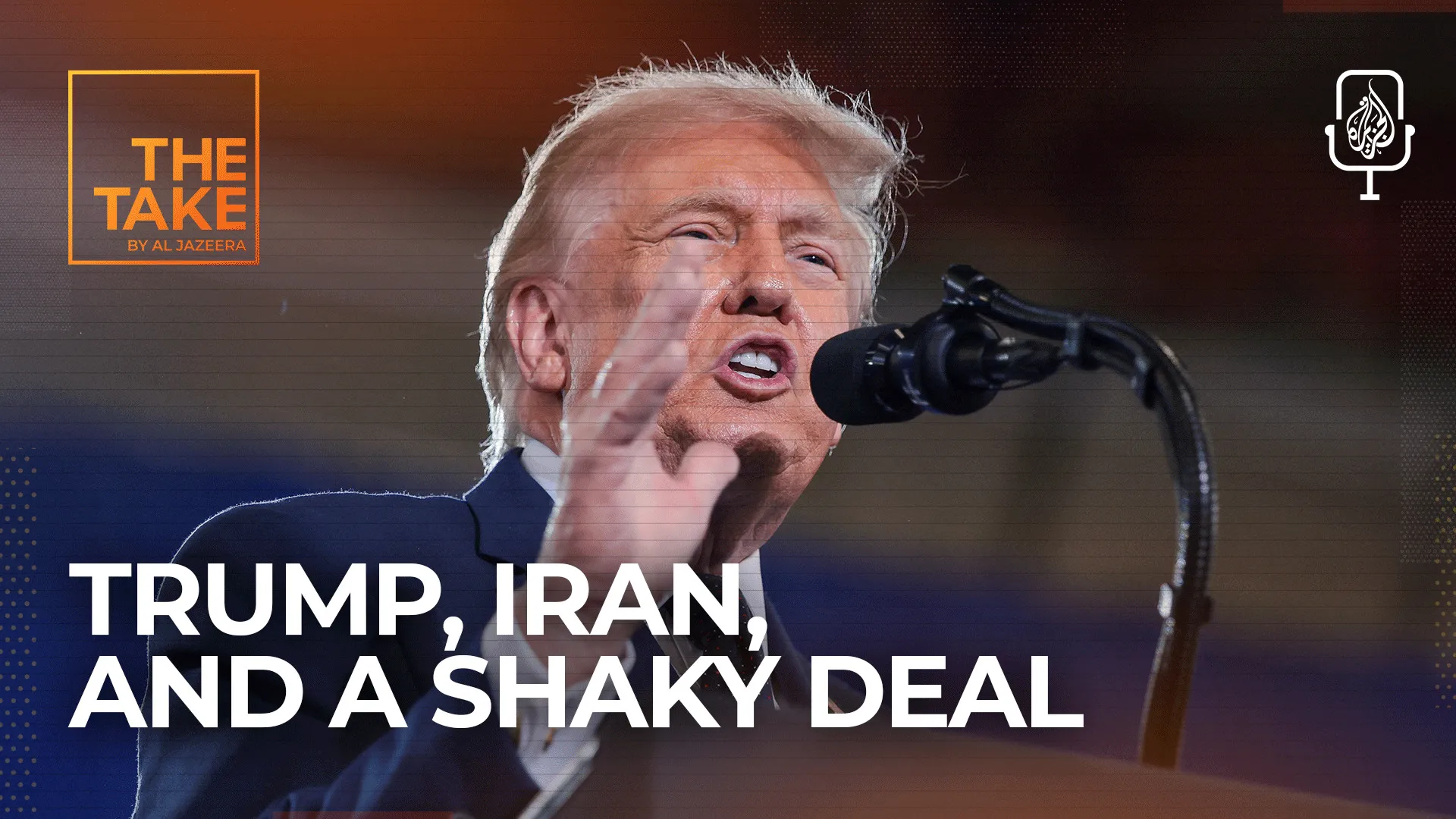
Assessing the Path Forward: Navigating Disagreements Amidst US-Iran Talks
Recent discussions between the United States and Iran have indicated a potential for expanded diplomatic alignment. However, the path toward a comprehensive and stable agreement remains fraught with unresolved complexities. While initial statements suggested significant milestones had been achieved regarding a specific ceasefire understanding, deeper disagreements—particularly surrounding the lifting or adjustment of international economic sanctions—continue to temper any sense of finality. The shifting narratives surrounding the negotiations have created an environment of mixed signals, leading observers to question the true depth of consensus between the two nations.
The emergence of preliminary documentation suggesting a Memorandum of Understanding (MOU) has prompted varied reactions across international stakeholders. Within the U.S., certain policy circles have shown skepticism regarding the completeness of the progress, while key allies, including Israel, have voiced concerns. These mixed reactions underscore that while high-level discussions may signal progress on particular issues, the fundamental disagreements—especially those tied to nuclear safeguards and broader economic frameworks—persist and require substantial clarification before a definitive deal can be forged.
The Core Obstacles to Finalizing an Accord
The primary sticking point appears to be the financial and regulatory dimensions of the relationship. A breakthrough deal would require more than just an agreement on de-escalation; it demands a coordinated mechanism for sanctions relief that satisfies multiple concerned parties. Discussions must move past procedural agreements to address the underlying structural issues governing trade, finance, and security cooperation. Until these economic and political frameworks are clearly defined and mutually acceptable, any purported finalization of the ceasefire remains provisional.
Geopolitical Implications and Context
The dialogue between Washington and Tehran operates within a complex geopolitical theater. Past efforts to stabilize relations have faced numerous setbacks, establishing a history of skepticism among global observers. Therefore, any new breakthrough is subject to intense scrutiny regarding its durability and scope. The stakes are significant, impacting regional stability, global energy markets, and international adherence to non-proliferation norms. Accordingly, any definitive understanding must address not only immediate ceasefire terms but also establish a robust, long-term diplomatic architecture capable of withstanding future political pressures.
About the Author




