System Overload: The Complex Hurdles Facing Ebola Containment in the DRC
Concerns are intensifying regarding the capacity of the healthcare infrastructure within the Democratic Republic of the Congo (DRC) to manage the current Ebola virus outbreak. Reports from various aid organizations and medical personnel paint a challenging picture, suggesting that the difficulty extends far beyond merely tracking the count of confirmed cases. Instead, the crisis is underscored by deep systemic vulnerabilities, making coordinated international intervention critically necessary.
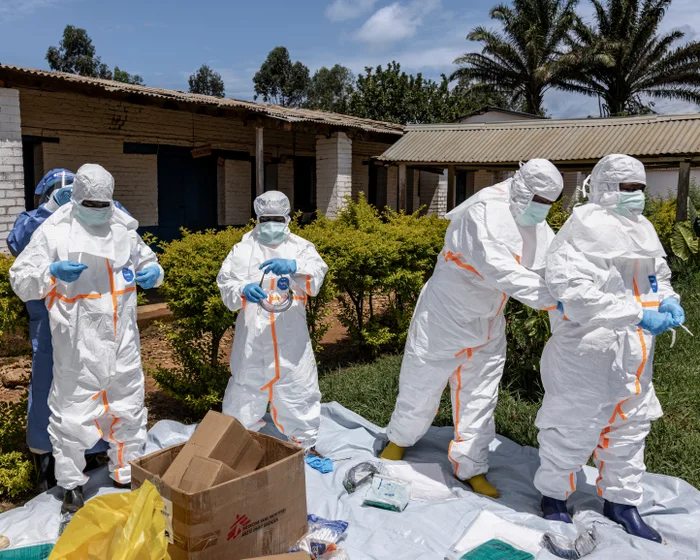
The spread of the virus is encountering multiple layers of complication. Medical professionals are grappling with the introduction of a potentially new viral strain, which introduces uncertainty into treatment protocols. Compounding these biological threats are socio-cultural practices and logistical issues that complicate containment efforts. For instance, traditional customs surrounding burials and physical contact present significant barriers to the rapid implementation of standard infection control measures.
What This Means for Regional Health Security
The escalating situation signals a potential strain on regional health security models. The confluence of a virulent pathogen, infrastructural strain, and persistent cultural challenges means that outbreaks in the DRC could rapidly overwhelm local resources. If immediate and robust international support is not mounted, the situation risks becoming an epidemic management crisis, diverting critical resources from other vital public health initiatives across the Great Lakes region.
The scale of the challenge demands a multi-faceted response that addresses not only clinical treatment but also the social and logistical dimensions of epidemic control. Successfully stemming the tide requires embedding public health measures within the existing community structures while simultaneously bolstering the capacity of local medical facilities to operate under intense pressure.
Contextualizing the Crisis
The backdrop to this current outbreak involves a fragile public health system already managing multiple pressures. Historical outbreaks and the ongoing needs of the population mean that the available medical assets are already stretched thin. When a highly infectious agent like Ebola resurges, the system’s capacity to pivot, scale up surveillance, and maintain operational continuity becomes the paramount concern. Therefore, the focus shifts from merely containing viral spread to ensuring the resilience of the entire local medical architecture.
About the Author