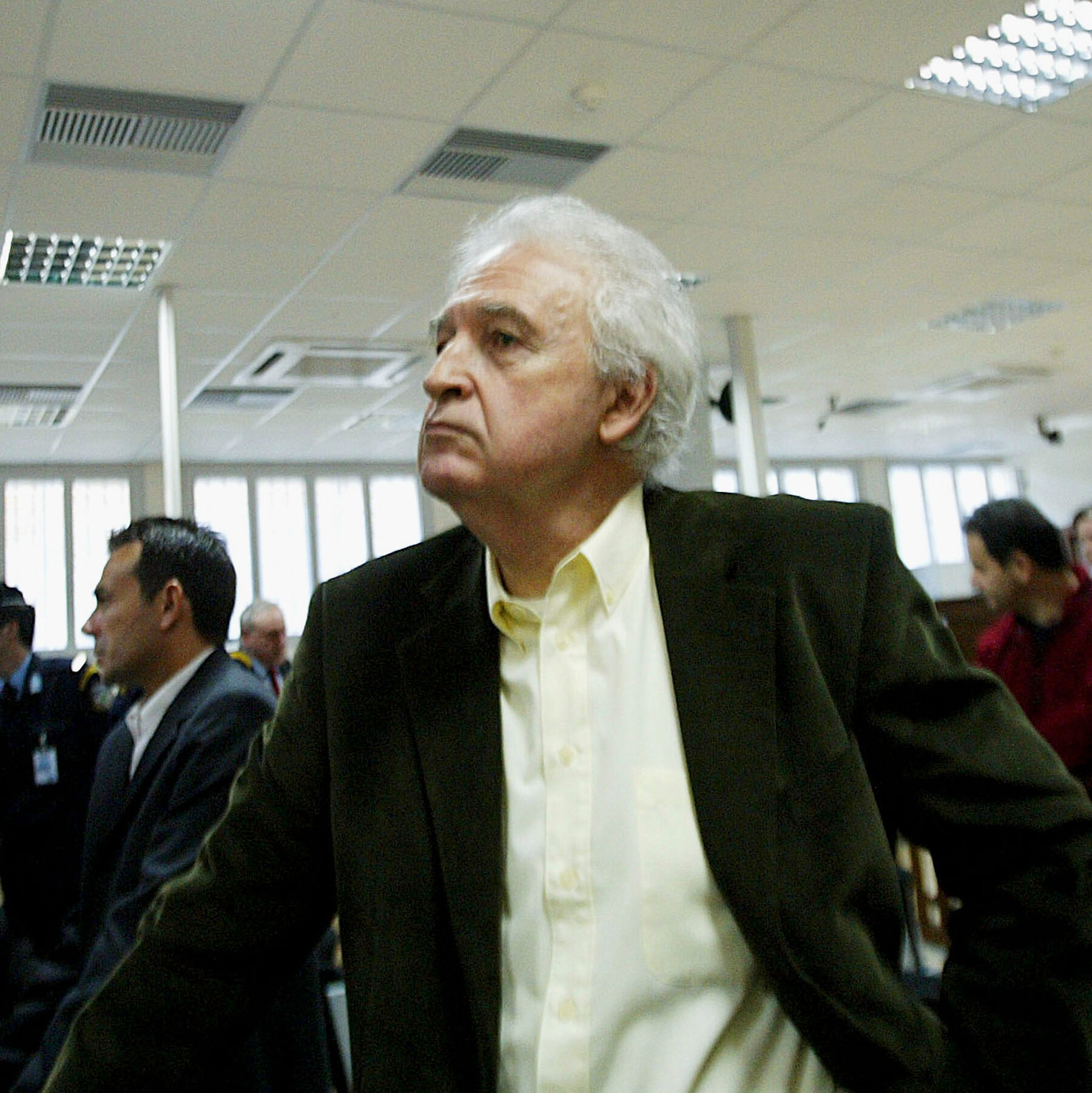
Release of Former Militant Sparks Controversy Over Greek Political History
The recent release of Alexandros Giotopoulos, an individual formerly associated with the November 17th organization, has immediately generated a wave of controversy. Relatives of those who were victims of violence perpetrated by the November 17th group—a far-left militant collective known for its activity spanning several decades—have vocally condemned his freedom. Their statements emphasize a deep unease, suggesting that the timing and circumstances surrounding his release reopen painful chapters of Greek political history that many feel remain unresolved.
This incident draws significant attention to the complicated legacy of politically motivated violence in modern Greece. The November 17th group represents a period characterized by intense ideological struggle, where political disagreements escalated into armed confrontation. The reaction from victims’ families is not simply one of disagreement with the legal process, but rather a call for a deeper reckoning with the period’s memory and accountability.
What This Means: Calls for Historical Accountability
The primary impact of Giotopoulos’s release appears to be a heightened public debate concerning transitional justice. For the families involved, the event symbolizes an unfinished emotional and historical reckoning. Their outcry suggests that, regardless of the current legal status, the memory of the violence remains raw and demands recognition and atonement. It places the spotlight back on the long-term societal costs associated with armed political movements.
Background and Context of the Group
The November 17th organization operated as a notable, albeit clandestine, element within the far-left political spectrum. Its period of activity stretched across a significant timeframe, suggesting a persistent and highly committed operational structure over nearly three decades. The group’s actions are inextricably linked to a particularly turbulent era of Greek socio-political upheaval. Understanding this context is crucial, as it frames the current discourse not merely as a personal matter, but as a proxy for examining deep societal fissures that existed within the nation’s political fabric.
The differing viewpoints regarding such groups highlight a continuing tension in the national narrative: the struggle to reconcile the radical fervor of past political ideologies with the tenets of modern democratic accountability and the right of survivors and families to have their experiences acknowledged publicly.
About the Author




