Analyzing the Pillars of Current Policy: Economic Health Meets Diplomatic Dialogue
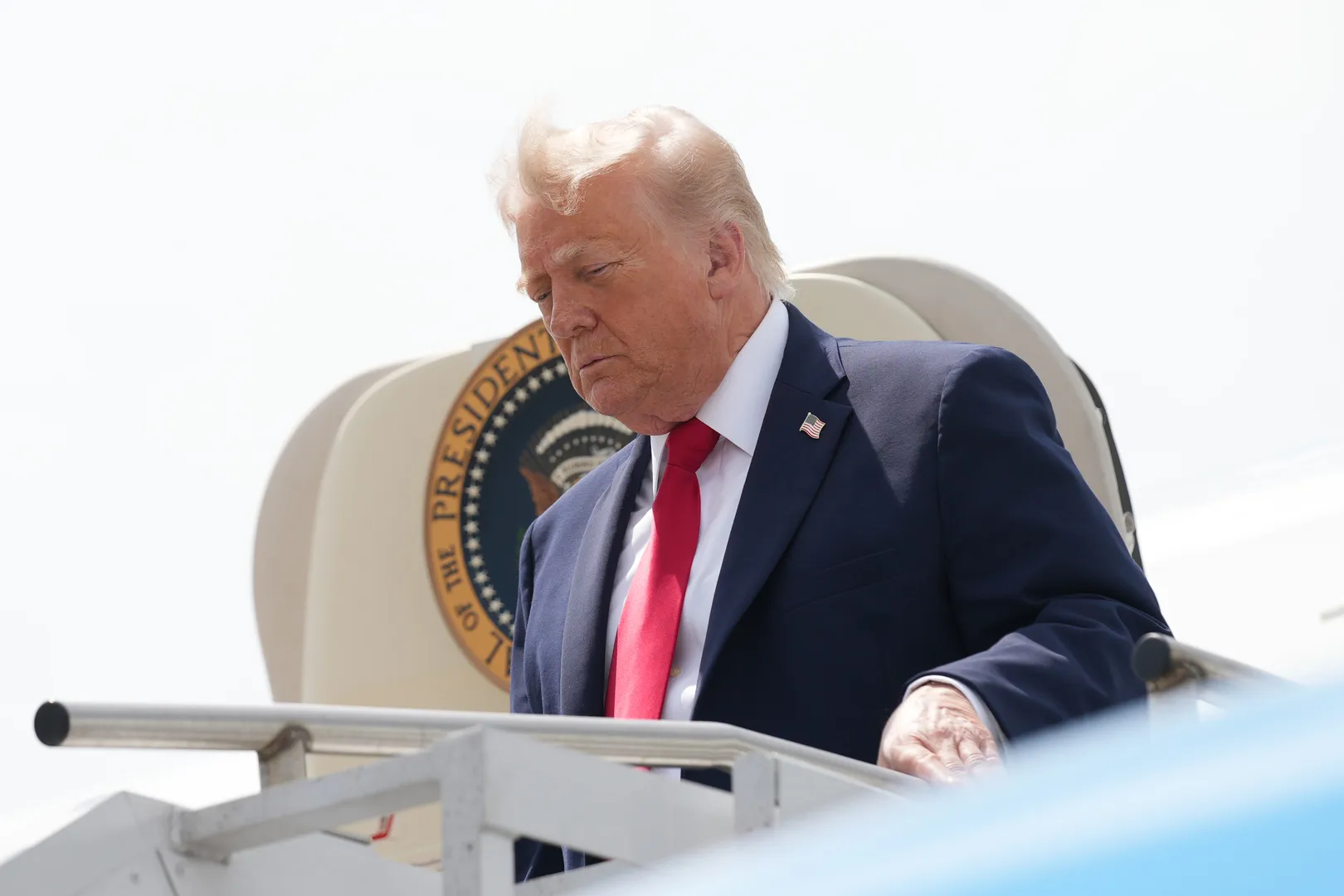
Recent public remarks from a prominent political figure highlighted two distinct areas of focus: the robust state of the American job market and the ongoing negotiations with Iran. The discourse presented a picture of simultaneous domestic strength and promising international progress. The emphasis on job growth suggests a positive assessment of the nation’s immediate economic trajectory, while the comments regarding Tehran point toward a constructive diplomatic environment.
The confluence of these two topics—a booming labor market alongside improving diplomatic channels—paints a narrative of a government addressing both immediate citizen concerns and long-term geopolitical goals. Speaking while attending an agricultural gathering in Wisconsin, the remarks positioned both the workforce and international engagement as areas experiencing positive momentum, though specific details on the diplomatic negotiations remained undisclosed.
What This Means: The Interplay of Economy and Diplomacy
The pairing of a positive economic report with positive diplomatic sentiment is often interpreted as an attempt to project stability and capability on multiple fronts. Economically, strong job creation serves as a key indicator of consumer confidence and overall national vitality. When coupled with signals of progress in high-stakes international talks, the message suggests a holistic approach to national policy—one aiming to stimulate the domestic sphere while simultaneously de-escalating tensions abroad. For policymakers, this dual narrative reinforces an image of control and momentum.
Background and Context: Assessing the Current Landscape
In the broader context of international relations, the dialogue with Iran remains a matter of intense global interest. Any indication of positive movement in negotiations implies a potential shift in regional stability or the resolution of long-standing disputes. Such talks are typically viewed as highly sensitive, and vague positive assessments often precede concrete developments, suggesting that discussions are moving past initial hurdles and toward actionable agreements. Similarly, the labor market’s performance is continuously monitored by investors and citizens alike, making any positive commentary on job figures a highly significant moment for market sentiment and economic forecasting.
Taken together, the reported statements underscore an effort to manage public perception by highlighting successes. Whether these achievements are rooted in sustained policy effectiveness or are subject to fluctuating external factors, the overall communication strategy is one of confidence, spanning from the fields of American agriculture to the complexities of Middle Eastern diplomacy.
About the Author