Analyzing Iran’s Strategic Positioning Following Recent Diplomatic Signals
Recent high-level diplomatic exchanges involving past U.S. administrations suggest a developing strategic narrative regarding Iran’s resilience. Observers suggest that certain elements within the Iranian leadership appear confident in their capacity to navigate a protracted period of tension. This perceived assurance contrasts with typical predictions of rapid de-escalation or collapse, indicating a calculated readiness to absorb sustained international pressure.
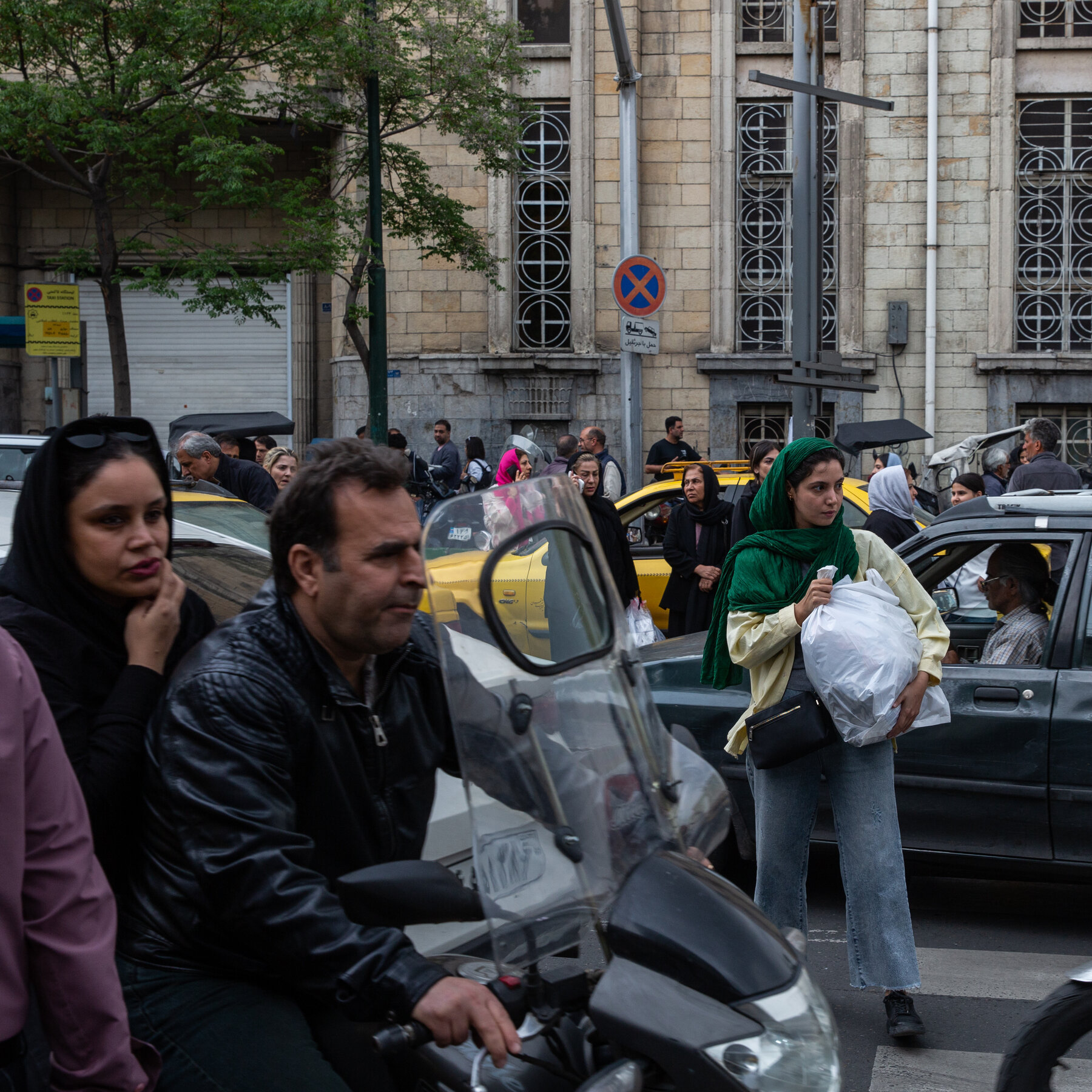
The core of this strategic posture seems to involve an assumption that they can maintain operational and structural stability over an extended duration. For the Iranian populace, this potential standoff carries significant, though perhaps understated, economic implications. The longevity of any confrontation would likely introduce volatility into daily life, necessitating a deep examination of the domestic economic buffers that could withstand such an extended period of geopolitical friction.
The Implications of Extended Tension
The significance of Iran’s perceived readiness to endure prolonged international strain cannot be overstated. Such a durable stance fundamentally shifts the risk calculus for external powers considering diplomatic engagement or punitive measures. It suggests that the immediate pressure points might not force the concessions expected by some international analysts.
Economically, the sustained nature of the tension poses serious risks to the average citizen. If sanctions or limited international trade remain a feature of the environment, the strain could manifest in multiple sectors, impacting access to essential goods and general economic mobility. The government’s ability to manage and mitigate these systemic economic headwinds over years, rather than months, becomes a critical point of analysis for global policymakers and regional neighbors alike.
Understanding the Strategic Backdrop
This current assessment of Iranian resolve must be understood within the broader context of regional power dynamics. The leadership’s confidence appears to be rooted in a multi-faceted defense—combining geopolitical alliances, domestic resource mobilization, and a strategic belief in their ability to weathering external economic pressure. This narrative suggests a long-term commitment to maintaining their current regional posture, irrespective of fluctuating diplomatic winds.
The emphasis appears to be less on achieving immediate breakthroughs through negotiations and more on establishing endurance. By projecting an image of unflappable resolve, the leadership aims to reset the parameters of engagement, signaling that any major move against them will require a sustained, costly commitment from external actors.
About the Author