Naval Tensions Escalate in Critical Global Shipping Lane
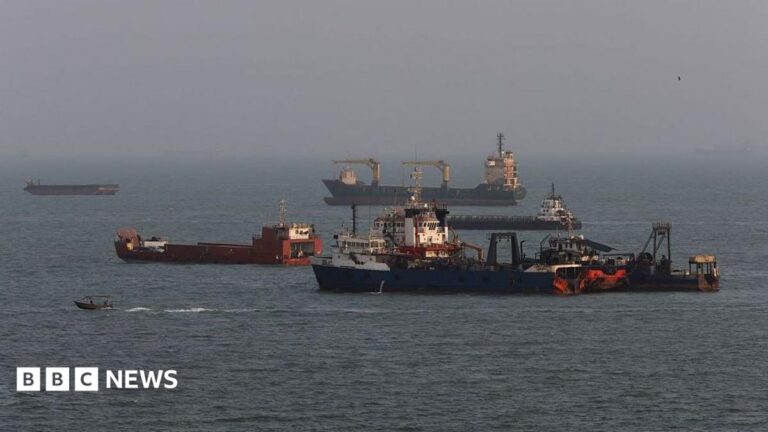
Despite recent efforts to de-escalate regional conflict, reports indicate that military tensions have remained high in the strategically vital Strait of Hormuz. Recent claims suggest active maritime engagements, with reports surfacing that Iranian forces have taken control of two commercial vessels operating within the area.
These alleged seizures come amidst a complex geopolitical backdrop, specifically following the renewal of a temporary truce by a prominent international political figure. The simultaneous nature of these claims—asserting military action in the waterway while a de-escalation agreement remains in place—highlights deep and ongoing struggles over regional maritime dominance.
The Strategic Significance of the Incident
The Strait of Hormuz is recognized globally as one of the most critical arteries for international trade, particularly for the transportation of energy resources. Any disruption, whether through military action or localized skirmishes, sends immediate ripples through global commodity markets and international supply chains. The conflicting narratives surrounding the recent alleged seizures underscore the persistent contest for influence over this narrow, yet vital, passage.
Implications for Regional Stability
The actions described suggest that the underlying dispute over maritime jurisdiction and security protocols within the Persian Gulf region remains volatile. The conflicting reports create an atmosphere of uncertainty, suggesting that localized power plays are continuing to take precedence over diplomatic agreements designed to ensure safe passage for commercial traffic. Observers note that the perceived lack of definitive resolution points toward continued underlying friction among regional powers.
Context of Geopolitical Competition
This maritime zone has long been the focal point for several major international and regional powers vying for influence. The operational environment is characterized by heightened military posturing, leading to periods of flare-ups that challenge fragile periods of calm. These incidents serve as frequent reminders of the immense economic and strategic value attached to controlling the navigational rights and security of this passage.
About the Author