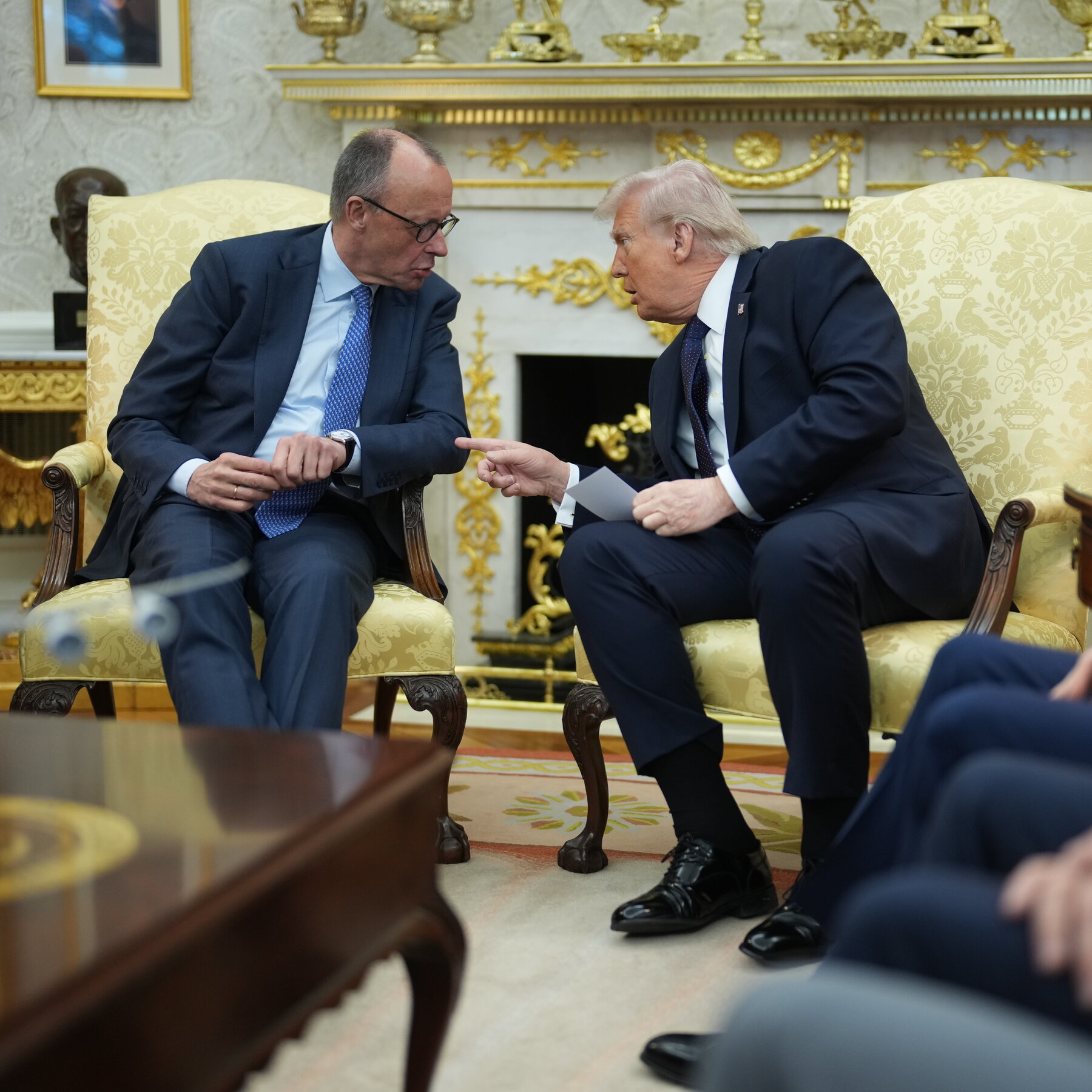
Analyzing the German Misjudgment of Donald Trump’s Position on Iran
Recent international diplomatic exchanges have highlighted a significant miscalculation by German political leadership concerning Donald Trump’s true intentions, particularly regarding regional flashpoints like Iran. The dynamic between key European allies and the former U.S. President suggests a fundamental misunderstanding of the depth and seriousness of the threats or statements made by the American leader. Initial reactions in Germany appeared to dismiss certain strong posturing, interpreting presidential warnings about troop withdrawals or operational changes as mere rhetoric rather than indicators of serious policy shifts. This underestimation created a volatile diplomatic landscape.
The nature of the misjudgment became evident following public disagreements, such as criticisms directed at the ongoing conflict from German political figures. Despite these pointed challenges, the perceived confidence in the administration’s ability to navigate intense geopolitical pressure seemed misplaced. The German assumption appears to have been that vocal criticism alone would deflate the tension, failing to account for a strategic level of resolve underpinning the pronouncements emanating from the former U.S. leadership regarding regional stability and military commitment.
What This Means: Implications for European Strategy
This episode serves as a crucial case study in modern geopolitics, underlining the risks inherent in underestimating a leader’s perceived resolve. When a major world power issues warnings—especially concerning military positioning or critical alliances—those statements must be analyzed for substantive backing rather than dismissed as diplomatic sparring. For Europe, the takeaway is a need for deeper triangulation of stated policy versus demonstrated commitment. If diplomatic posturing is viewed as optional, strategic patience becomes a far more potent and unpredictable tool.
Background and Context: Navigating American Unpredictability
The relationship between German policy formulation and the volatile backdrop of the Middle East, particularly concerning Iran, has always been complex. Historically, European nations have sought stability through multilateral agreements and predictable adherence to international norms. However, the current operational environment suggests a departure from these assumed guardrails. The focus on Iran, a region already characterized by intense proxy competition and fluctuating loyalties, required an assumption of baseline American commitment that Germany, it appears, was not prepared to sustain when faced with high-stakes challenges.
The underlying context suggests that when geopolitical stakes are high, the diplomatic playbook shifts entirely. What might be perceived as inflammatory criticism or exaggerated threats can, in fact, represent deeply held, non-negotiable strategic lines for the source of those comments. Consequently, diplomatic calculations moving forward must incorporate the possibility that pronouncements of withdrawal or threat represent a genuine, actionable pivot rather than merely temporary frustration. This requires a more cautious and rigorously fact-checked approach to international commentary.
About the Author