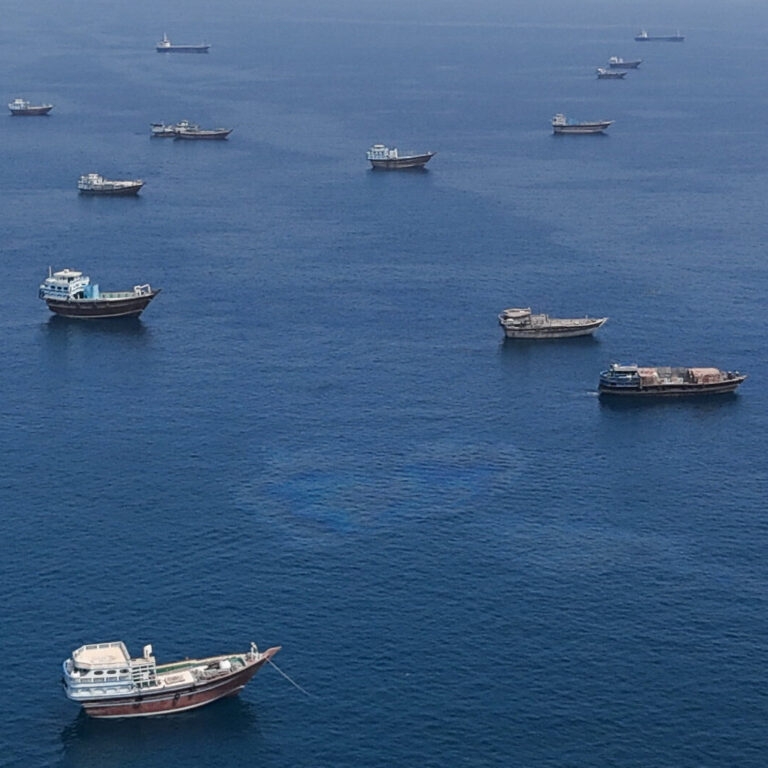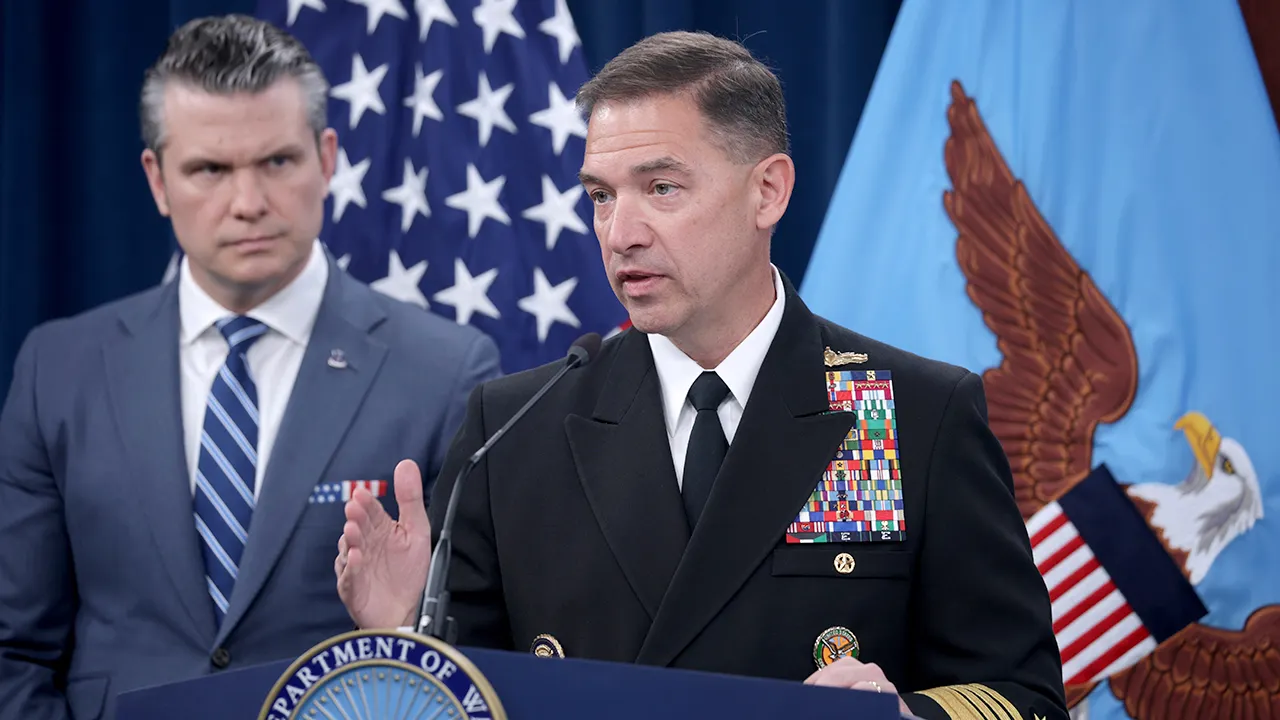
Recent military developments have significantly heightened geopolitical tensions in the Middle East, centering on alleged U.S. strikes against Iranian assets. These actions have been framed by involved parties as necessary self-defense measures, leading to escalating international concern regarding regional stability and the potential for wider conflict.
The nature and justification of these military deployments remain a primary focus of global analysts. Reports indicate a decisive escalation over the weekend, involving specific strikes that prompted considerable diplomatic fallout. The immediate aftermath has involved high-level discussions within defense and government circles regarding the strategic implications of such forceful maneuvers.
These tensions are set against a backdrop of broader regional instability, drawing attention not only to military posturing but also to significant shifts in the internal political dynamics of key nations in the area.
Understanding the Strategic Implications
The execution of strikes, even when articulated as defensive, carries profound implications for established international norms and regional power balances. Experts are closely examining the tactics employed, paying particular attention to advanced weaponry, such as thermal-equipped aerial platforms, which are cited as potentially altering established rules of engagement in conflict zones.
Such military escalations necessitate careful global monitoring, as minor engagements can quickly spiral into broader confrontations. International bodies and allied nations are reportedly engaged in rapid consultation to manage potential fallout and de-escalate tensions before they reach a critical threshold.
Context of Regional Political Flux
Beyond the military aspect, the region is experiencing notable political volatility. Official statements have indicated potential leadership changes within Iran itself, suggesting deep-seated internal fractures. These internal pressures intersect with the external military pressures, creating a complex and volatile equation for international mediators to manage.
The situation underscores a period of heightened risk across the entire geopolitical theater. From military command discussions to reports of high-level political resignations, the narrative suggests a convergence of external pressure meeting internal strain, demanding continuous, high-level international attention to prevent miscalculation.
About the Author