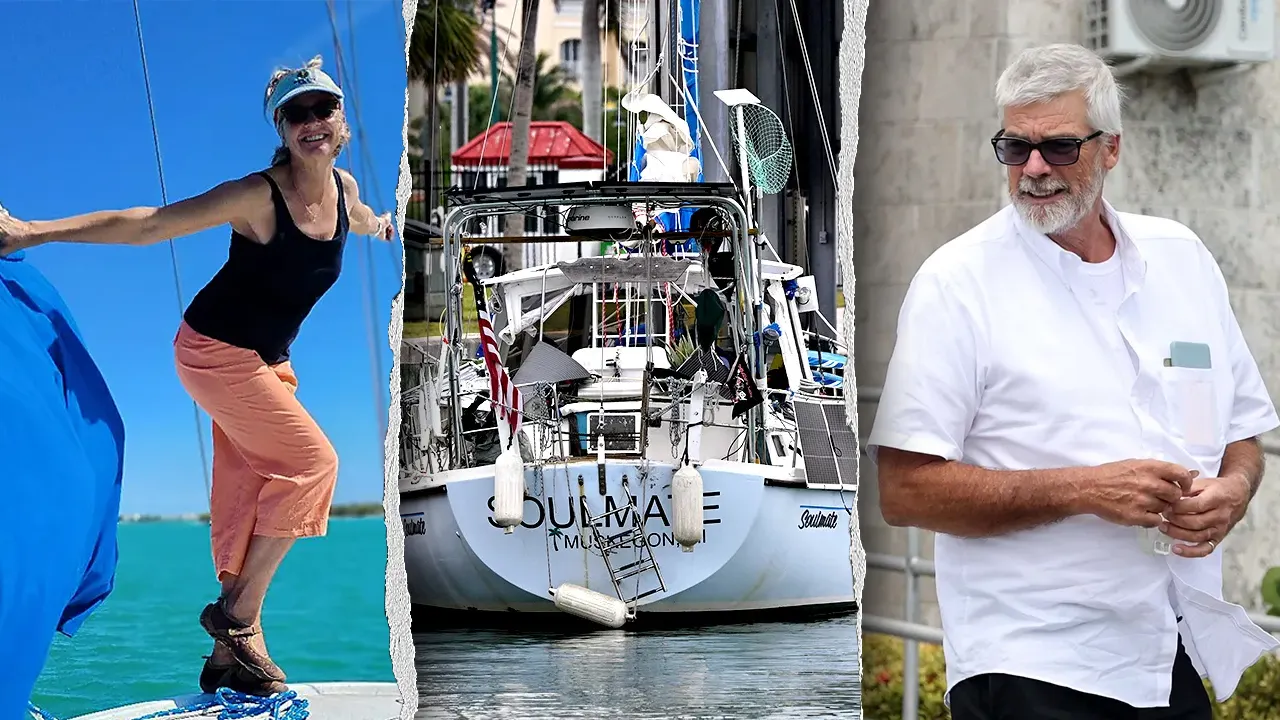
The Critical Nature of the Communications Blackout
When investigating a missing person case, the loss of digital communication records can often prove as significant as any physical evidence. In the instance of Lynette Hooker’s disappearance, the failure of the sailboat’s Automatic Identification System (AIS) tracking data has been singled out by legal experts as a central, unresolved element. Investigators are focused intensely on the eleven-hour gap in the vessel’s transmission logs, a period that directly overlaps with the timeline surrounding her last known whereabouts.
According to analysis of the maritime tracking data, the boat ceased broadcasting its identity, speed, and position at a specific time on April 4th. This digital silence persisted until the morning of the following day. Legal professionals suggest that the timing of this blackout is highly questionable, potentially correlating too closely with the moments she vanished. Understanding the mechanism behind this sudden data cessation is considered crucial for any thorough investigation.
Reconstructing the Final Hours
The initial narrative surrounding the disappearance involves the couple departing from the Bahamas area on the afternoon of April 4th. Accounts suggest that rough weather conditions led to an incident where the wife reportedly fell from their dinghy. While the husband subsequently managed to return to shore, the precise sequence of events leading to the tracking system going offline remains a point of deep scrutiny for investigators. The continuity and reliability of the last confirmed sighting data are therefore paramount to building any comprehensive timeline.
The Significance of Digital Trail Analysis
Forensic legal minds approaching such a case emphasize that modern investigations rely heavily on an individual’s complete digital footprint. The cessation of the AIS signal raises significant procedural questions: Was the system intentionally deactivated, or was the failure due to external factors? From a prosecutorial standpoint, these gaps require meticulous explanation. Any deviation from expected operational norms—especially involving the transmission of a vessel’s location—will inevitably draw intense scrutiny regarding what happened to the missing individual.
Investigative Context and Future Directions
Official investigative bodies have launched a criminal inquiry into the matter. The investigation centers not only on the physical movements leading up to the loss but also on the technical data surrounding the vessel itself. As maritime technology becomes more integrated into daily life, these cases highlight the paramount importance of maintaining an unbroken, verifiable record of location and status. Determining who controlled the vessel’s communication systems and when that control was exercised will remain a primary focus for investigators as they seek answers regarding Lynette Hooker’s fate.
About the Author