Diplomatic Push to Pakistan Amid Escalating Tensions Over Iran
Recent developments indicate a significant diplomatic pivot as the United States signals an intention to host negotiations in Islamabad, Pakistan. The purpose of these planned discussions centers on de-escalating the volatile situation involving Iran. This move suggests a renewed, high-level effort to find a resolution to what has been characterized as ongoing tensions between the US and Tehran.
The announcement follows a period of stalled dialogue. Previous efforts to achieve an agreement reportedly concluded without reaching a mutually acceptable understanding. The backdrop to this renewed push is a substantial increase in regional friction, with recent military activities raising alarms among international observers.
Implications and Regional Impact
The stakes associated with these potential talks are extremely high. The US side has made forceful statements regarding non-compliance with existing truces, warning of severe consequences should certain terms not be met. Officials have outlined a package of proposed agreements, suggesting that acceptance of these terms is viewed by the US as critical to maintaining regional stability. Failure to accept the proposed framework has been accompanied by explicit warnings concerning critical infrastructure within the region.
Conversely, the Iranian government has swiftly responded to the discourse emanating from the US. Official Iranian commentary rejected the US posture, asserting that certain US actions, specifically naval blockades affecting Iranian ports, constitute violations of any existing truce agreements. Furthermore, Iranian representatives characterized these measures as both illegal under international law and amounting to grave offenses against the civilian population.
Context of the Diplomatic Stalemate
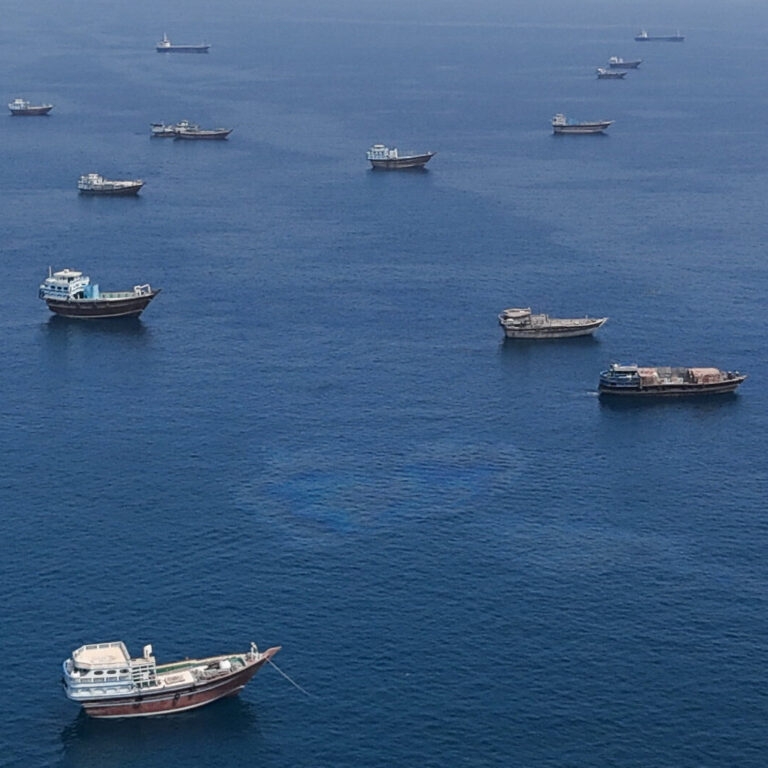
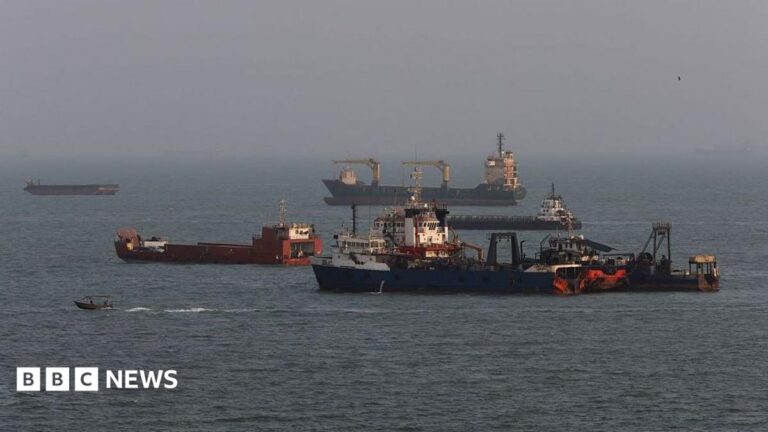
The ongoing diplomatic friction involves multiple intersecting regional flashpoints. At the heart of the dispute lies the implementation and adherence to agreed-upon ceasefires. The perceived violations, both in terms of military action in key waterways and through economic measures like port restrictions, have escalated tensions to a critical point. The utilization of a third-party nation, Pakistan, as a venue underscores the complexity and necessity of international mediation efforts to prevent an outright regional confrontation.
These competing narratives—one presenting a final path to peace contingent on specific concessions, and the other decrying actions as violations of law and human rights—frame a deeply polarized negotiating environment. The international community is thus closely watching whether this proposed engagement in Islamabad can break the cycle of escalating rhetoric and action.
About the Author