Devastation at Home: Returning Civilians Face Wreckage in Southern Lebanon After Ceasefire
For many families in Lebanon’s south, the cessation of active fighting has brought a grim homecoming. Residents who were forced to flee their homes amid conflict are now returning to scenes of profound destruction. These personal returns are often jarring experiences, contrasting the anticipated relief of peace with the immediate reality of utter devastation. Entire communities are confronting the wreckage of their lives, having endured conflict that left little standing in its wake.
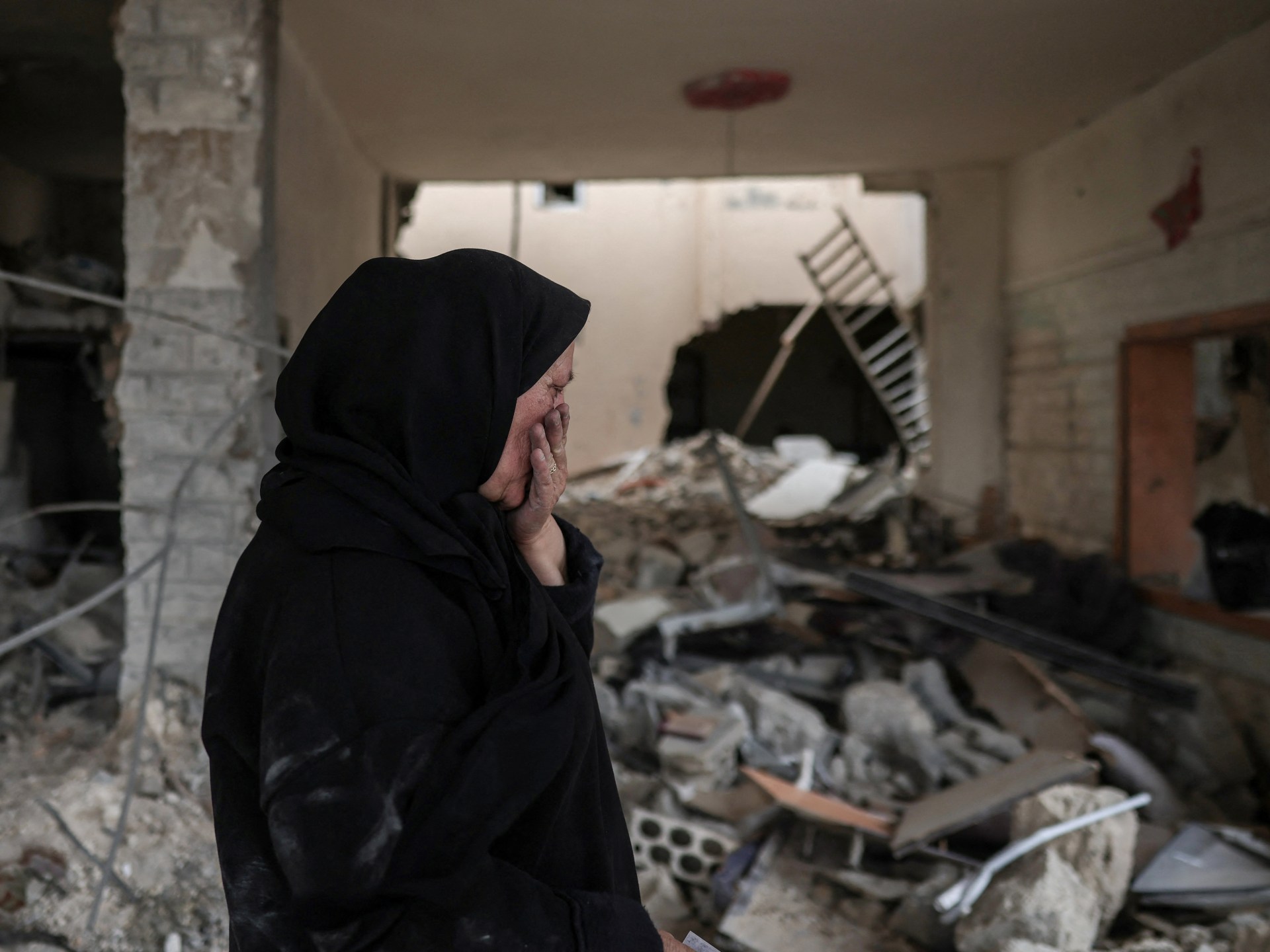
One deeply personal account highlights this brutal reality. A woman who had been forced to evacuate her area sought refuge elsewhere with her family. Upon making the journey back to what was once her residence, she was met not with shelter, but with piles of rubble. This situation reflects a pattern seen across the region: the immediate aftermath of conflict reveals the scope of the physical toll taken on residential areas and local infrastructure.
The Immediate Impact of Conflict on Civilian Life
The experience detailed illustrates the cycle of displacement common during protracted conflict zones. People are forced to leave their primary residences, abandoning their belongings and stability in a desperate attempt to survive. When fighting subsides, the return journey is not one of reunion, but of appraisal—an assessment of massive loss. The housing stock, which represents both physical shelter and accumulated memories, is severely damaged or completely demolished.
This level of destruction necessitates an enormous, immediate humanitarian effort. Beyond the visible rubble, there are unseen damages to livelihoods, essential services, and the deep psychological strain placed upon those who have endured loss of security, property, and community continuity. The return to a recognizable landscape is complicated by the erasure of built environment.
Broader Implications for Reconstruction and Aid
The scenes described point to the overwhelming challenge facing regional aid agencies and local governance: managing a return population facing total infrastructure collapse. While a ceasefire may halt the violence, it does not magically rebuild homes or restore normal life. The scale of necessary recovery—from clearing debris to rebuilding foundational structures—requires substantial, sustained external assistance.
For the displaced residents, the path forward is fraught with uncertainty. They face the daunting prospect of rebuilding not only their physical dwellings but also their sense of normalcy within a landscape fundamentally altered by military action. The immediate needs shift rapidly from survival and evacuation to reconstruction, recovery, and psychological support, marking the beginning of an arduous and long-term rehabilitation process.
Background Context
The conflict in southern Lebanon has historically been marked by periods of intense fighting, resulting in significant civilian suffering and internal displacement. These localized crises underscore the vulnerability of civilian populations situated near active geopolitical flashpoints. The continuous pattern of flight and return, punctuated by destruction, places immense strain on the social fabric of the affected areas, creating a sustained humanitarian crisis even when formal combat ceases. The need for durable solutions—both in terms of rebuilding capacity and ensuring long-term safety—remains a central concern for humanitarian observers and international bodies.
About the Author