Regional Flashpoints Show Signs of Instability Amid Ongoing Conflict
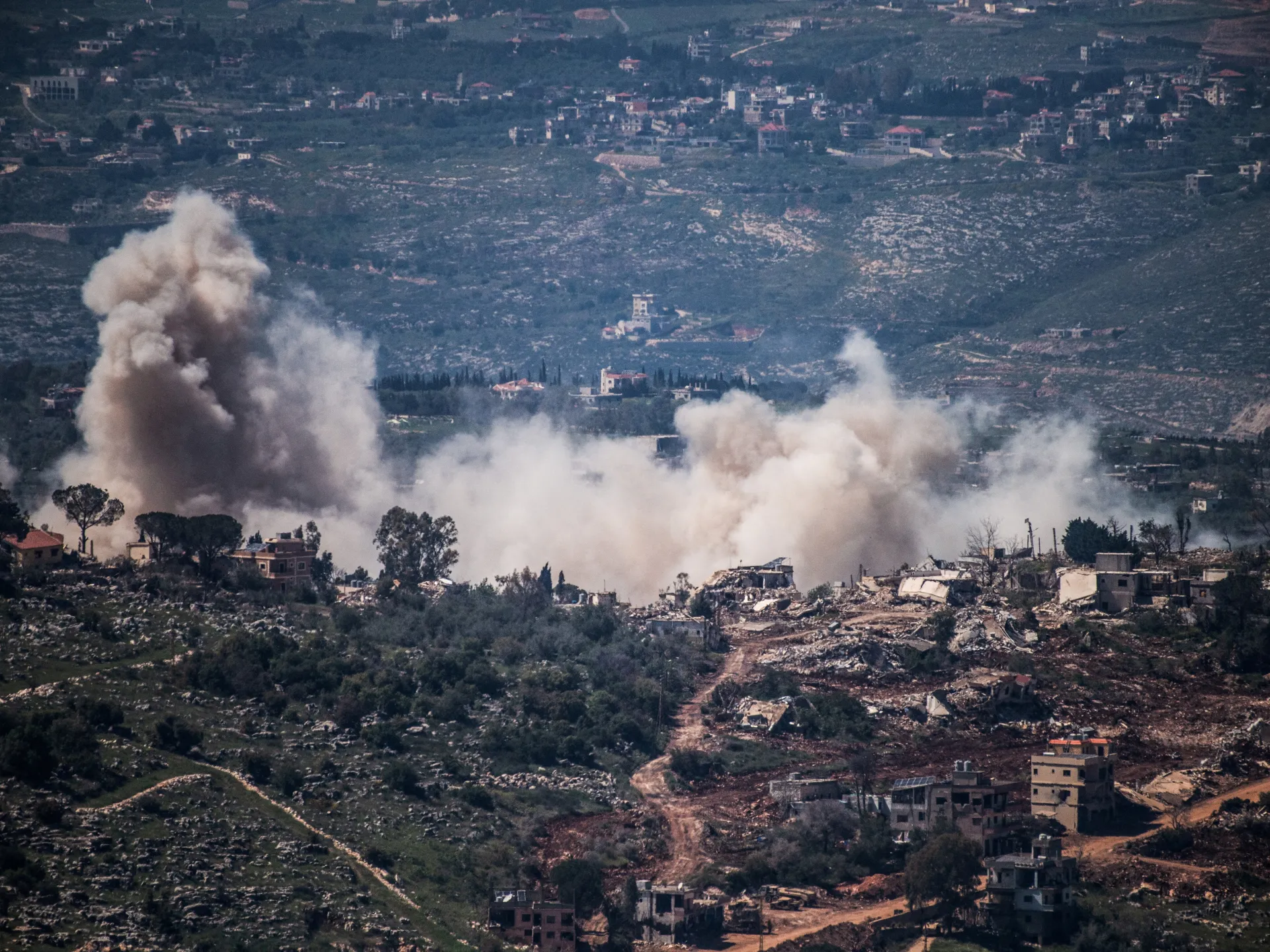
The volatile geopolitical landscape connecting Israel, Lebanon, and Iran remains a primary focus of international concern. Reports indicate that temporary de-escalations in localized areas, such as the extension of truces between Lebanon and other regional actors, suggest a fragile, paused state of tension rather than a full resolution. This fluid situation implies that while immediate large-scale conflict might be momentarily held back, underlying tensions persist, making the region susceptible to sudden flare-ups.
Meanwhile, the humanitarian situation in Gaza continues to deteriorate at an alarming rate. Official figures detailing the human cost reveal staggering casualty numbers, painting a grim picture of the ongoing conflict. The scale of reported injuries and fatalities underscores the severe impact of the hostilities on civilian life within the region. These figures serve as a stark reminder of the depth of the crisis and the immense suffering endured by the population.
The Shifting Diplomatic Winds
Discussions among international figures suggest a prevailing sentiment regarding the long-term strategic balance of power in the Middle East. Some analyses point toward a shifting advantage, suggesting that certain regional dynamics are favoring one side in the broader contest for influence. These pronouncements from influential political figures suggest an expectation of protracted pressure, implying that the dynamics are not favorable for maintaining the status quo or for certain strategic goals.
What This Means for Stability
The combination of localized ceasefires and high-level geopolitical commentary signals a period of extreme uncertainty. For international observers, the primary takeaway is the lack of a clear off-ramp. While truces provide temporary breathing room, the underlying military and political friction remains potent. The immense humanitarian toll in Gaza adds a critical layer of urgency, ensuring that any diplomatic progress must simultaneously address the catastrophic civilian crisis. The region appears to be in a tense, managed pause, where one miscalculation or escalation could rapidly unravel the current delicate arrangements.
Background Context: A Complex Web of Rivalries
The current instability is deeply rooted in decades of regional power struggles, proxy conflicts, and ideological divides. The involvement of major global and regional powers has magnified local disputes into complex, multi-faceted flashpoints. The escalation in conflict zones often follows patterns of retaliation and counter-escalation across different national and non-state actors. Understanding this history is crucial, as current events are often the manifestation of older, unresolved power dynamics between established state players and emerging regional forces.
About the Author