Geopolitical Tensions Focus on Future US-Iran Dialogue Amid Regional Movements
Recent movements in the Middle East have increased international speculation regarding the potential resumption of high-level discussions between the United States and Iran. As key diplomatic figures are reportedly traveling to various international hubs, attention is keenly focused on whether renewed talks can establish a more robust framework for regional stability. The potential for dialogue remains a central point of interest for global policymakers, given the complexities of the relationship.
Further amplifying the need for structured engagement, international bodies have emphasized that any discussions—particularly those concerning nuclear oversight—must be comprehensive. Experts and diplomatic representatives are urging that future negotiations cannot be limited in scope. The consensus among some international observers suggests that an incomplete dialogue would yield outcomes that fail to adequately address the most sensitive security dimensions of the Iranian regime.
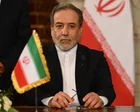
These diplomatic considerations underscore a broader effort by global powers to manage volatile regional flashpoints. The proposed itinerary of a senior Iranian official visiting major geopolitical centers hints at an active diplomatic engagement, positioning the region at the center of renewed strategic conversations.
Significance for Regional Stability
The discussions surrounding US-Iran talks carry significant weight for the geopolitical balance of the entire Middle East. The primary concern articulated by international representatives is the depth of the agreement reached. There is a clear apprehension that limiting the scope of dialogue, particularly concerning Iran’s nuclear program and regional activities, could result in an accord that is significantly weaker than previous international commitments. Therefore, the inclusion of technical nuclear experts in any high-level negotiating forum is deemed critical to ensure the longevity and effectiveness of any potential breakthrough.
The Imperative for Comprehensive Dialogue
International diplomatic statements have repeatedly highlighted the necessity of incorporating a broad spectrum of expertise into any dialogue table. Simply focusing on one aspect of the relationship, such as only the nuclear file, is viewed as insufficient by certain political blocs. The prevailing expert view suggests that to achieve a genuinely stabilizing outcome, the conversation must address the nuances across multiple security and political domains simultaneously. This calls for a deeply integrated diplomatic approach rather than siloed negotiations.
Contextual Backdrop
The ongoing fluidity of international diplomatic engagements means that any reported travel or scheduling change is immediately interpreted through the lens of ongoing tensions. Regional movements, such as senior officials visiting multiple international destinations, suggest an active effort to maintain communication channels and build diplomatic momentum. These visits underscore that external parties continue to monitor the situation closely, awaiting signals of genuine progress toward de-escalation and predictable diplomatic frameworks within the region.
About the Author