Pioneering Surgical Care: Guyana Expands Robotic Capabilities Across Multiple Specialties
The Georgetown Public Hospital Corporation (GPHC) has recently marked a significant advancement in its commitment to surgical innovation, successfully integrating robotic surgical techniques across several key medical departments. Following initial landmark procedures, the institution dedicated a period to executing a series of first-of-their-kind robotic operations. This sustained effort demonstrates a rapid maturation of advanced medical capabilities, firmly positioning Guyana within the region as a leader in minimally invasive surgical care.
The expansion was highly systematic, with specific departments taking the lead on introducing their specialties. Urology adopted robotic techniques for procedures such as renal cyst decortication, while the Obstetrics and Gynaecology department added robotic capabilities to complex gynecological surgeries. Furthermore, the integration was broadened to include general surgery, notably in bariatric care, alongside procedures in general urology and gynecology. This multi-departmental adoption signals a deep, successful embedding of complex robotic assistance into the daily surgical practice.
The Significance of Multi-Specialty Adoption
This swift adoption across different medical fields is more than just a technical milestone; it represents a fundamental shift in patient care paradigms. By mastering and implementing robotic assistance across specialties—from routine hernia repairs to complex gastrointestinal procedures—the hospital is dramatically improving the scope of care available locally. Such advanced, minimally invasive options typically lead to reduced patient recovery times, smaller incisions, and potentially better post-operative outcomes for the community.
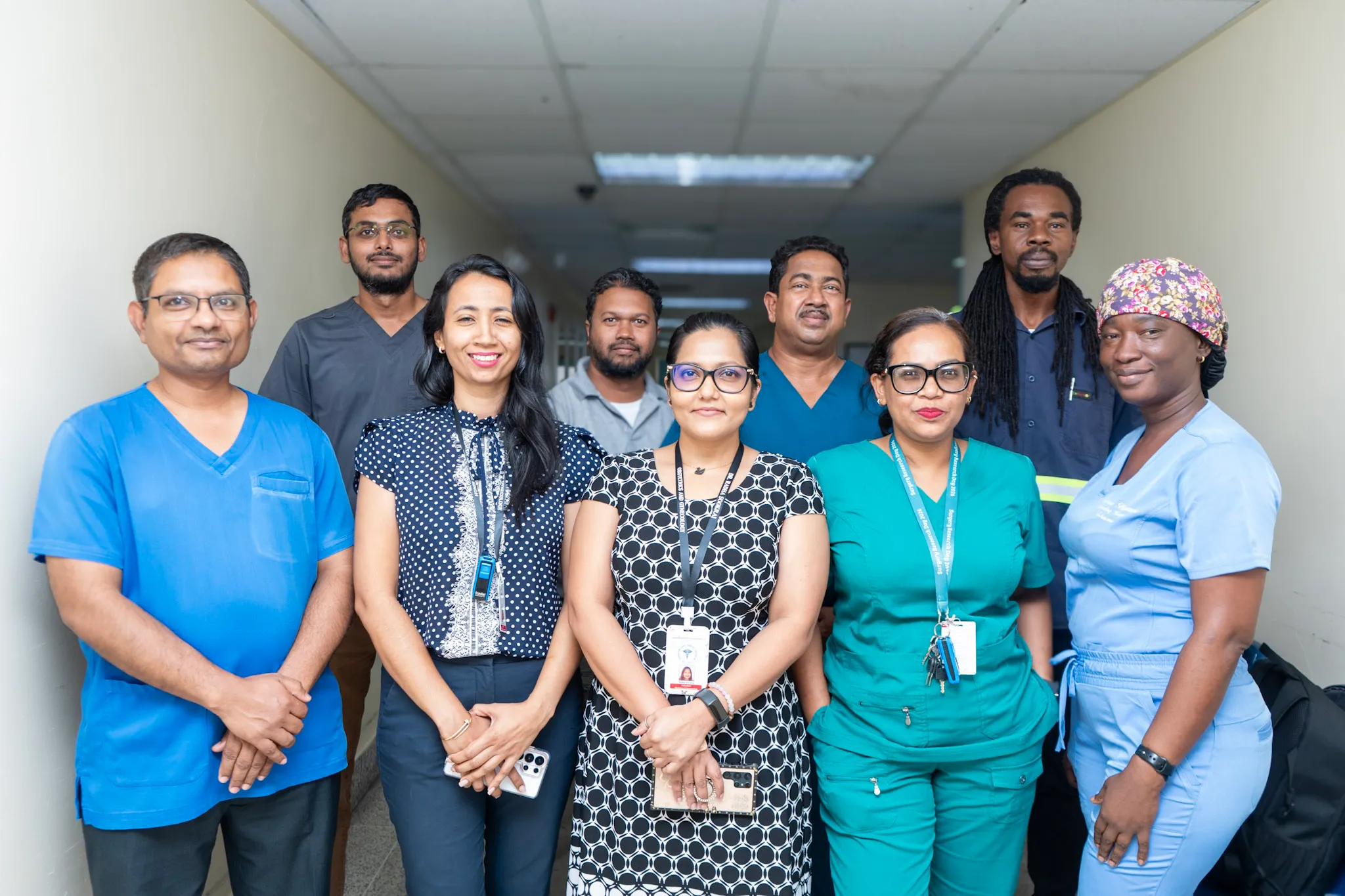
The success story highlights the crucial element of comprehensive support required for such complex medical undertakings. It is not limited to the surgeons’ skill but relies on extensive cross-departmental teamwork. This includes specialized support from anesthesia services, dedicated operating theatre personnel, and technical experts responsible for managing and deploying sophisticated robotic equipment, ensuring every procedure runs smoothly and safely.
Building Expertise Through Collaboration
The overall development has established a robust framework for high-tech medical intervention. The rapid progression from a single, high-profile launch to incorporating multiple specialties within a short timeframe underscores the expertise cultivated by the local medical teams, who have undergone rigorous advanced training. The technical support provided by international representatives alongside the consistent guidance of visiting senior surgeons helped solidify protocols and build necessary confidence among the entire surgical staff. This collaborative model ensures that the knowledge gained remains institutionalized, allowing the program to expand its reach and complexity continuously.
In essence, the cumulative achievement positions the facility as a regional pioneer. By mastering the integration of robotics across urology, gynecology, general surgery, and more, the institution has set a new benchmark for what modern, accessible surgical medicine looks like in the English-speaking Caribbean region.
About the Author