Veteran US Official Connects Migration Challenges to Historical Struggle for European Freedom
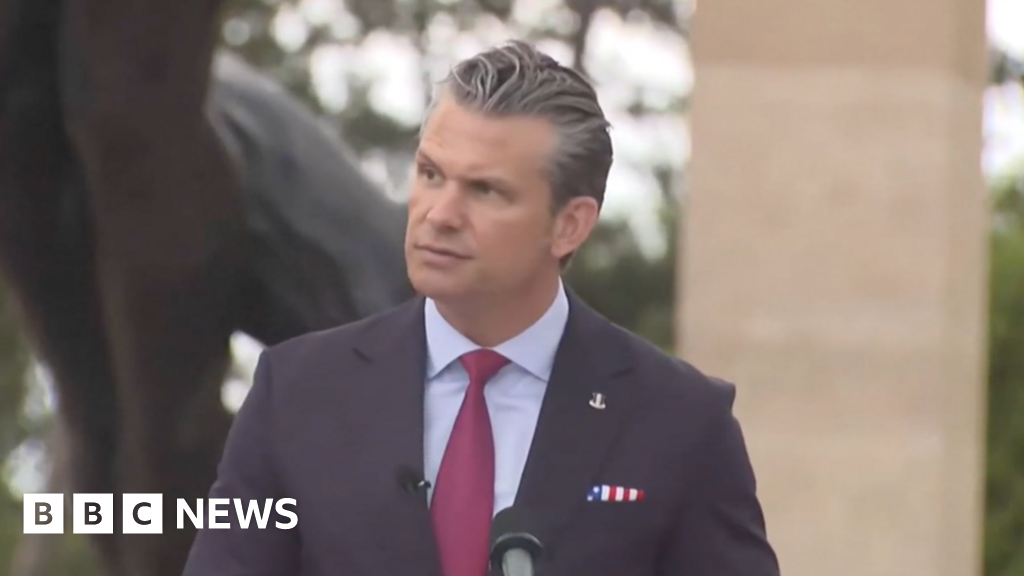
During a remembrance ceremony in Normandy, a senior American defense official addressed current European challenges, drawing a sharp parallel between historical invasions and modern migratory flows. Speaking on the anniversary of the pivotal D-Day landings, the official asserted that modern European nations face a contemporary struggle, characterizing the arrival of migrants on various Mediterranean and Atlantic shores as a form of incursion. This rhetoric suggests that the passage of time has led some capitals to become complacent regarding the security and foundations of their hard-won autonomy.
The speech emphasized that the liberties enjoyed by Europe were secured through immense sacrifice. By framing immigration and migration management as a critical issue, the speaker implied that maintaining these freedoms requires a continuous, robust defense by current generations of political leaders and citizens. The message strongly suggested that the peace and freedom of the continent are not permanent achievements but ongoing responsibilities demanding vigilant attention.
The Scope of Modern Migration Debates
The discourse surrounding migration has become a dominant feature in the political landscapes across the continent in recent years. Official reports indicate significant transnational movements, with Mediterranean crossings reaching notable peaks during specific years. While various sea routes continue to see arrivals into multiple European countries, the issue continues to fuel political movements favoring stricter, more restrictive immigration policies within national electorates.
The official’s comments align with a broader pattern of critique from influential figures within certain American political circles regarding European handling of border security. These viewpoints have also been articulated recently concerning domestic incidents, where certain figures have linked local tragedies to patterns of migration, prompting responses that underscore the sensitivity of domestic political interference.
Implications for European Policy and Sovereignty
The commentary effectively elevates the debate over migration from a humanitarian or socioeconomic concern into a matter of national security and existential freedom. By using language invoking historical military struggle, the statement pressures European governing bodies to adopt demonstrably firmer policies. The underlying theme is one of stewardship: that sovereignty requires active, forceful management of borders against perceived external pressures, whether military or demographic.
Historically, the D-Day landings represented one of the largest coordinated amphibious operations in history, marking a decisive shift in geopolitical control. By invoking this benchmark, the speech frames any perceived laxity in border enforcement as a failure to uphold the gravity of past sacrifices. This narrative attempts to galvanize political will toward a more unified and assertive approach to border management across the European Union and its member states.
About the Author