International Outcry Mounts Following Interception of Gaza Aid Vessels
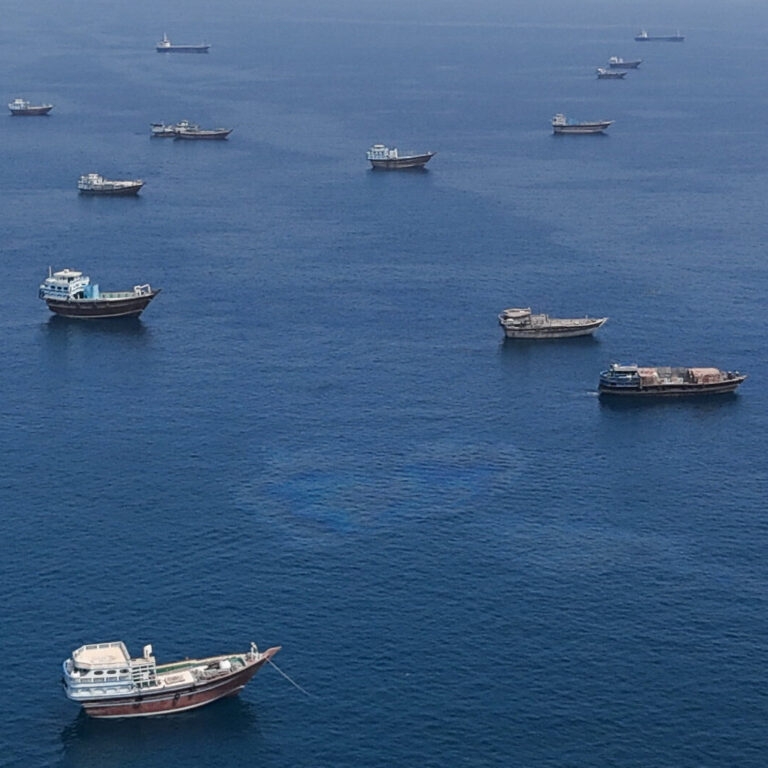
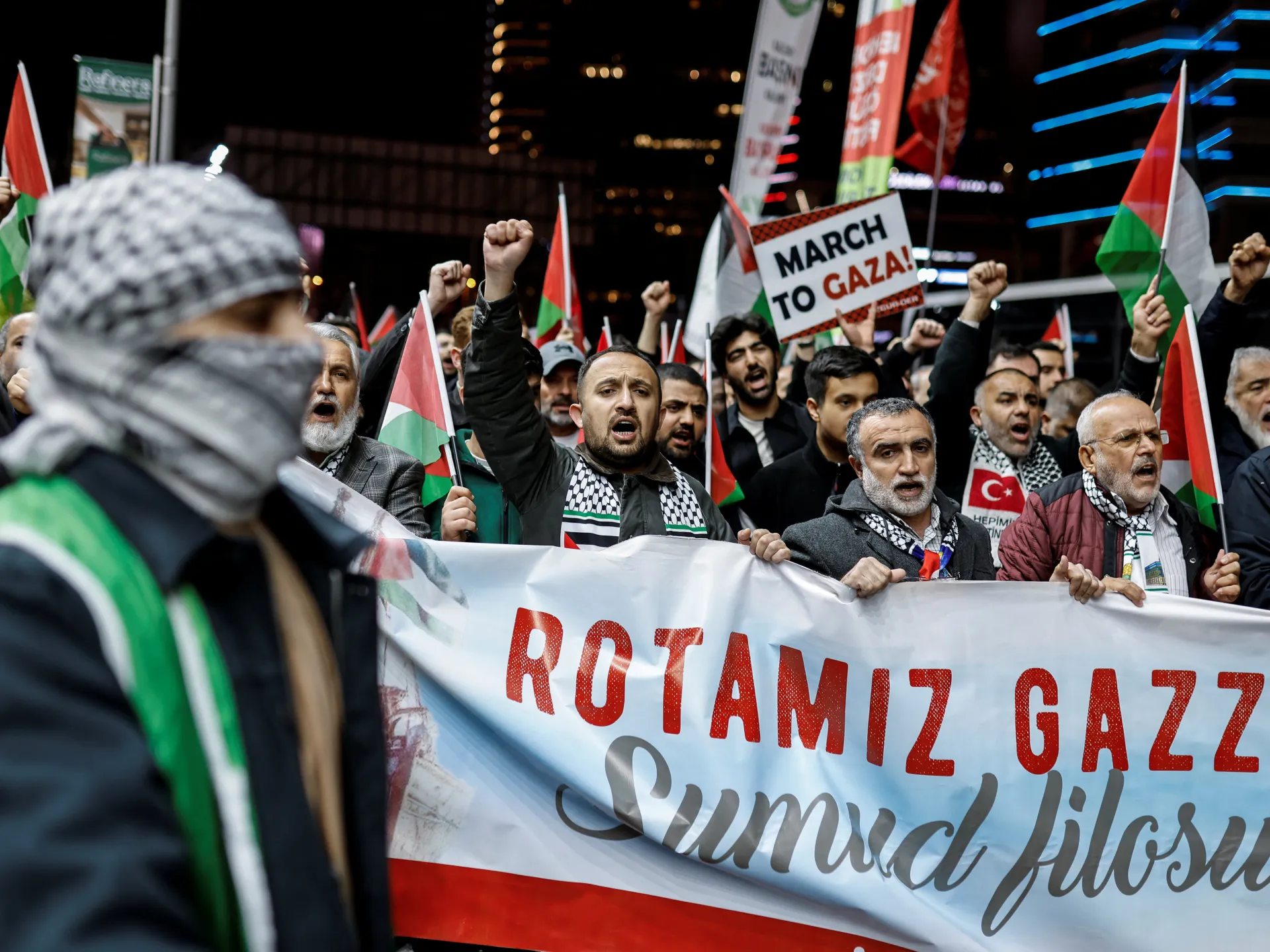
The recent interception and subsequent detention of humanitarian vessels en route to Gaza has generated significant global controversy. Activists, human rights organizations, and several world leaders have issued strong condemnations regarding Israel’s actions in intercepting the aid-laden flotilla within what is considered international waters. The operation, which involved the boarding of several aid boats, resulted in the detention of numerous individuals, among them journalists from major international news networks.
The international response has centered on demands for the immediate release of all detainees. Critics argue that the seizure of these aid convoys represents a significant restriction on the flow of essential humanitarian supplies to the Gaza Strip. The diplomatic pressure emanating from various quarters underscores growing concern over the legality and humanitarian implications of the military action undertaken by Israeli forces.
What This Means: Humanitarian Law and International Access
The core of the controversy revolves around established principles of international humanitarian law. When large-scale aid shipments are attempting to enter a besieged or conflict-affected territory, the global community expects mechanisms that guarantee safe and unimpeded access to vital resources, including food, medicine, and medical equipment. The detention of aid workers and journalists suggests a severe bottleneck on humanitarian lifelines, prompting international bodies to question adherence to established norms regarding civilian protection and aid corridors.
For journalists aboard the vessels, the detention raises critical concerns about press freedom. Global media advocates emphasize that the ability of reporters to document conditions and aid efforts in conflict zones is crucial for maintaining international accountability. The continued holding of these journalists adds a layer of concern regarding freedom of the press amid escalating tensions.
Background and Context: The Aid Crisis
The ongoing situation in Gaza has been marked by severe humanitarian distress, leading various international groups to organize substantial aid missions. These missions are often framed by supporters as necessary efforts to bypass existing blockades or checkpoints that have restricted the entry of necessary goods. The interception of this specific flotilla has become a flashpoint, drawing attention to the broader logistical challenges and the deep divisions regarding permissible means of aid delivery to the region.
Official statements and reports from various global governance bodies suggest that the passage of humanitarian aid through conflict zones requires multilateral coordination to prevent such incidents. The outcry suggests a widening diplomatic rift concerning the management of aid distribution and the perceived rights of the civilian population within the Gaza Strip.
About the Author