Maritime Showdown: Israeli Forces Intercept Aid Flotilla Over 1,000 Kilometers from Gaza
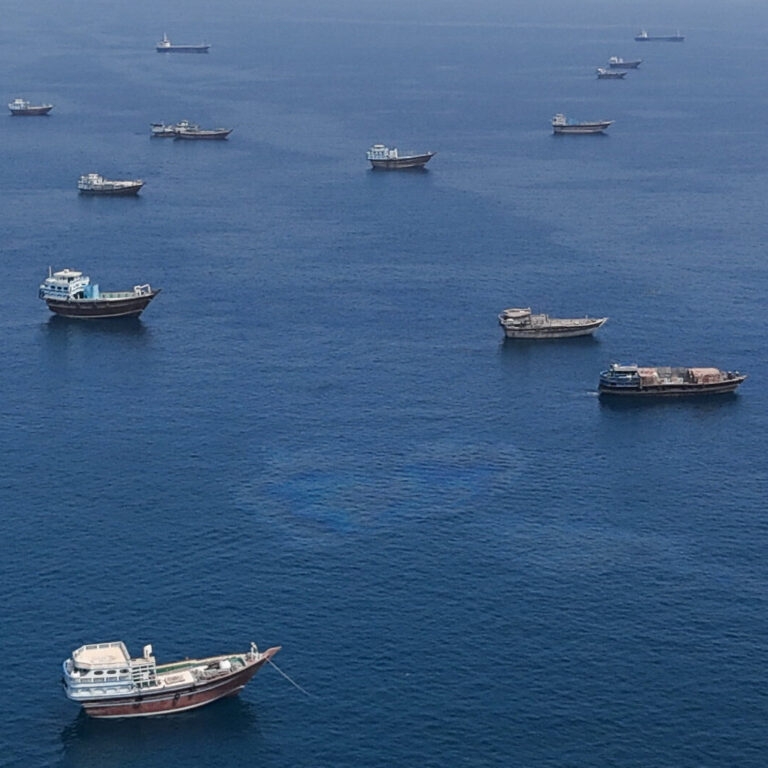
A significant maritime confrontation has occurred in international waters, far removed from the Gaza coastline. Israeli forces reportedly intercepted several vessels belonging to the Global Sumud Flotilla. These boats, which were attempting to transport humanitarian aid, were intercepted in an area near the Greek island of Crete, placing them over a thousand kilometers from the conflict zone.
The interception of the dozen or so aid vessels has drawn immediate criticism. Organizers associated with the flotilla have characterized the action as an unlawful targeting of civilians engaged in humanitarian efforts. The incident highlights a complex and tense assertion of maritime control in international waters, far from the immediate operational theater of conflict.
Significance of the Interception
This event escalates existing disputes over the flow of aid and access to Gaza. By seizing the vessels at a distance, the operation draws international attention to the contested legal and ethical boundaries governing humanitarian intervention at sea. The distance of the interception—a considerable expanse of international water—is a key element in the ensuing debate over jurisdiction and the right to passage for aid.
The action forces an examination of whether the interception falls under the umbrella of enforcing maritime law or is viewed by critics as a calculated obstruction of civilian aid. Humanitarian groups argue that such intercepts, regardless of distance, raise serious concerns about the protection of civilians and the right of non-combatants to travel safely.
Context of Aid Movement
The broader context involves sustained international efforts to ensure the delivery of necessary supplies to Gaza. Multiple groups have organized voyages across international waters, aiming to bypass blockade restrictions and deliver medical necessities and other essential goods. These organized efforts are frequently met with military interdictions, leading to recurring diplomatic and legal disputes regarding passage rights.
Official statements regarding these intercepts often emphasize the need to manage sensitive security concerns in volatile geopolitical regions. However, the location—deep in international waters—removes the direct operational pretext from the immediate conflict area, shifting the focus onto the legality and humanitarian implications of the seizure itself. The situation underscores the deep divisions among international actors regarding the governance of aid delivery in conflict-affected areas.
About the Author