Tehran Demonstrations Signal Public Concern Over Economic Stability and Geopolitical Tensions
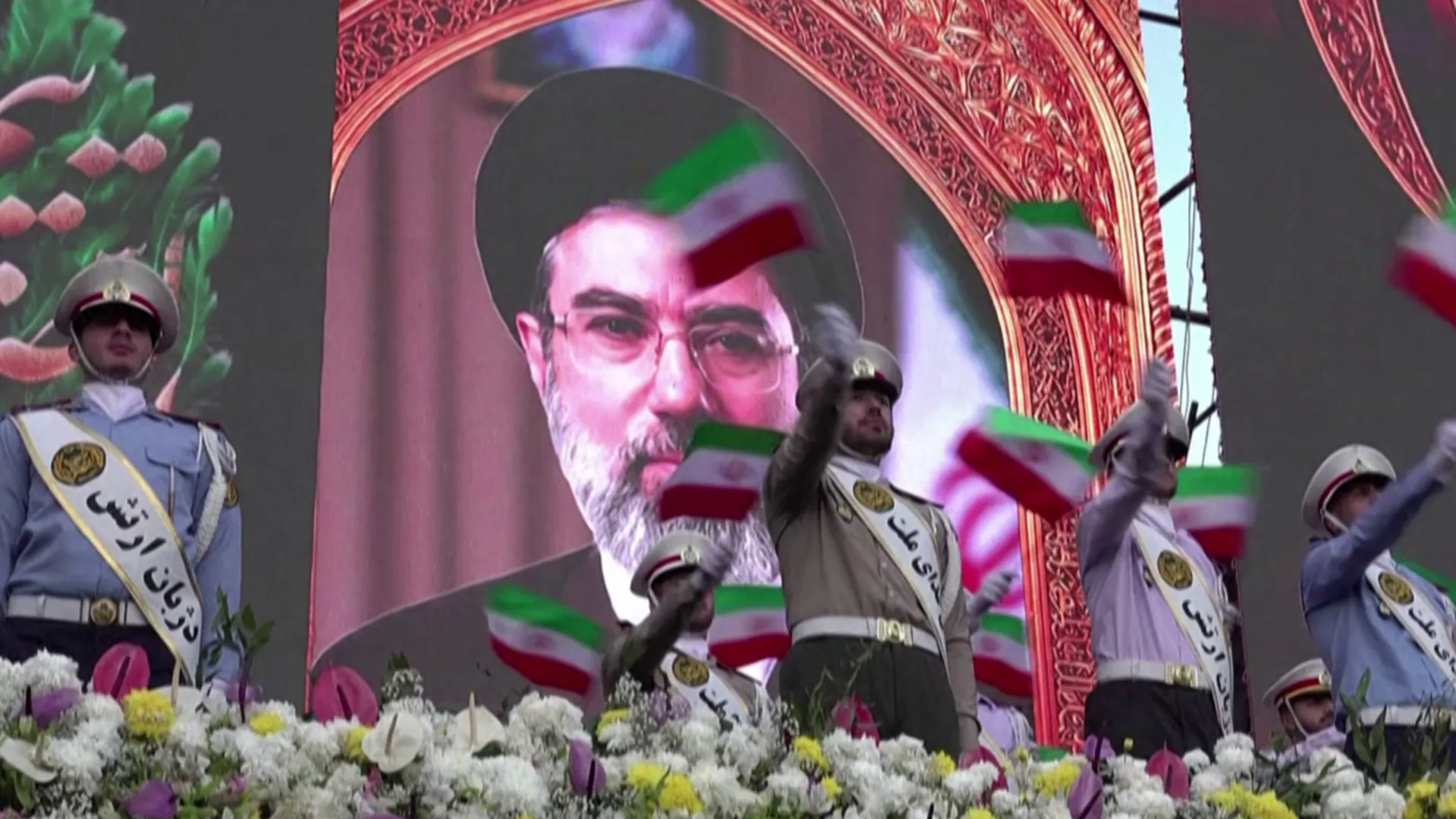
Large gatherings have taken place recently in the Iranian capital, reflecting significant public concern regarding the country’s economic trajectory. The core of the demonstrations centers on mounting anxieties surrounding external pressures, specifically referencing the perceived impact of United States policies and potential trade restrictions. Participants have voiced a unified demand for an immediate cessation of actions they view as threatening to Iran’s stability and vital commercial lifelines.
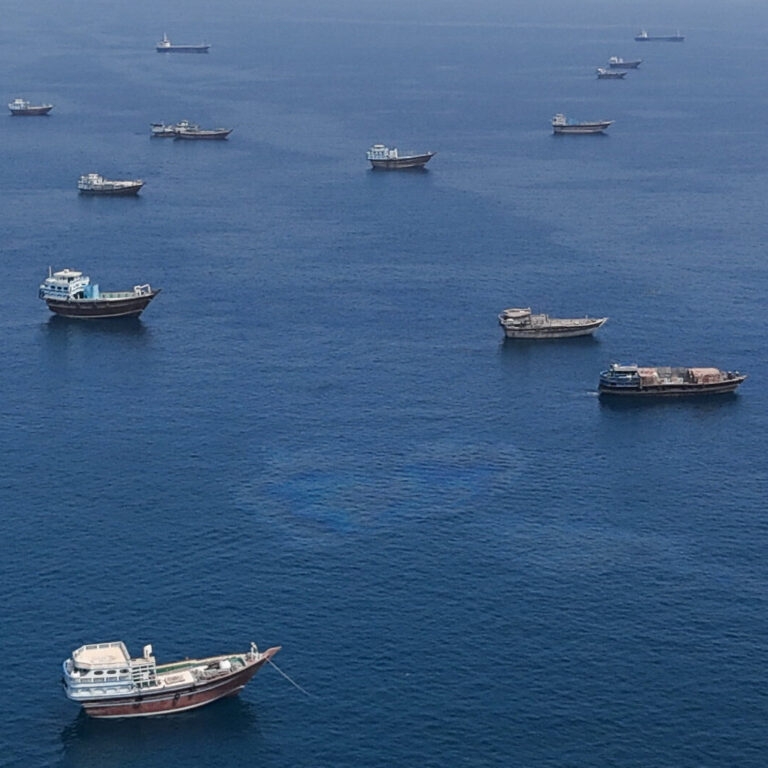
The current economic climate appears to be a primary driver of the public discontent. With the national currency experiencing noticeable declines, the everyday struggle for economic stability has become a visible focal point. The link drawn by protesters is clear: external pressures, particularly those affecting maritime trade routes, are exacerbating domestic financial difficulties, leading to widespread unease among the populace.
Analyzing the Significance of the Public Outcry
The nature of these large-scale assemblies suggests that the underlying grievances are multifaceted, blending geopolitical frustration with acute economic hardship. When popular demonstrations converge on issues of international trade and currency valuation, it indicates a deep-seated public feeling that internal stability is being undermined by outside forces. The protests serve as a highly visible channel for expressing discontent over perceived threats to the nation’s commercial health and sovereignty.
The sustained focus on trade blockades highlights the critical dependence of the Iranian economy on stable international commerce. Any impediment to the flow of goods through key ports reverberates directly into the domestic market, putting immense pressure on citizens and businesses alike. Therefore, the demand for an end to these perceived threats is framed not merely as a political statement, but as an urgent plea for economic relief and normalcy.
Contextualizing the Economic Pressures
The relationship between international sanctions, trade disruption, and domestic currency stability is a recurring theme in Iranian economic reporting. Official statements and observations have frequently pointed to how restrictions on exports or the disruption of vital shipping lanes directly impact the available foreign exchange and, consequently, the value of the local currency. This creates a cycle where economic decline fuels public dissatisfaction, which in turn shapes the political discourse in the capital.
Historically, periods of heightened external scrutiny and resulting trade friction have correlated with periods of notable monetary volatility within the nation. The current atmosphere of protest underscores the populace’s awareness of these complex economic dynamics and their direct link to the geopolitical environment surrounding the country. The unifying message from the rallies thus points toward a desire for a predictable and unimpeded path for national commerce.
About the Author