Geopolitical Tensions Escalate: Iran’s Missile Launch Marks Sharp Deterioration in Middle East Stability
The volatile situation in the Middle East witnessed a significant escalation on Sunday as Iran launched missile strikes targeting Israel. This action immediately ruptured any semblance of a truce that had been tenuously holding, signaling a major breakdown in recent de-escalation efforts. The move represents one of the most substantial increases in military tension since a period of protracted conflict that had seen fighting flare up in previous months.
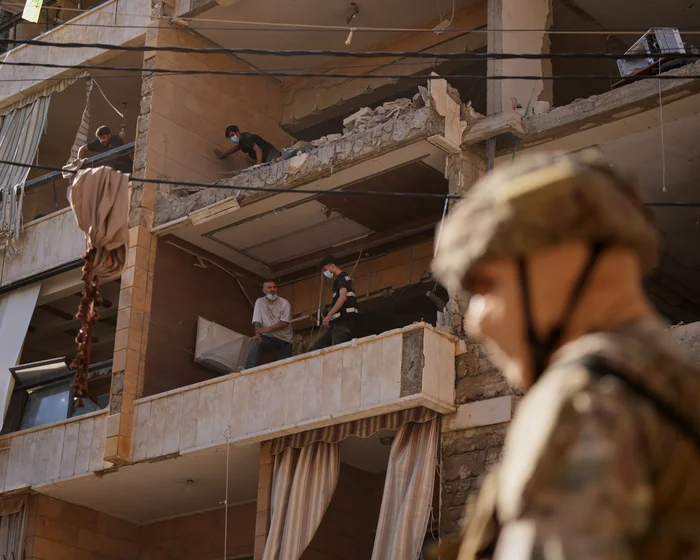
The catalyst for this dramatic escalation was reportedly Israeli aerial activity in the southern suburbs of Beirut. In response to the documented strikes in Lebanese territory, senior Iranian leadership had previously issued strong declarations, promising a retaliatory action described as both definitive and severely impactful. Hours after these strong verbal warnings were issued, Israeli sirens began sounding across its northern regions, confirming the actualization of the promised retaliation and dramatically heightening the regional security alarm.
This cross-border exchange fundamentally alters the security calculations for regional powers. Instead of continuing in a state of uneasy quiet, the region has moved into a more acute phase of confrontation, governed by direct military exchanges. Analysts suggest that such actions drastically raise the stakes for all involved parties, pointing toward a period of heightened uncertainty for international stability.
The Significance of the Confrontation
The direct missile exchange carries deep geopolitical ramifications, marking a clear shift in the established lines of engagement between the involved nations. Previously, conflicts tended to operate through proxy forces or highly localized incidents. However, this incident appears to elevate the conflict to a much higher, more direct level of state-level confrontation. This raises concerns about the potential for miscalculation or unintended escalation, suggesting that any future tensions could rapidly spiral beyond localized skirmishes into broader regional instability.
The impact is keenly felt across global markets and diplomatic forums, as international bodies and major world powers monitor developments closely. The severity of the exchange suggests that the strategic patience that had characterized parts of the conflict environment is exhausted, pushing regional actors toward more overtly aggressive posturing to achieve their stated objectives.
Context of Regional Flashpoints
The area encompassing Beirut and its surrounding suburbs has long been a focal point for regional rivalries, often serving as a strategic flashpoint. While various localized disputes have occurred over time, the current dynamic suggests a hardening of positions among key state and non-state actors. The nature of the retaliation implies a clear, high-stakes calculus regarding deterrence and the defense of perceived national interests. Official statements prior to the event had underlined the high price for any perceived external aggression.
This pattern of escalation—where an attack prompts a proportionally forceful and direct counter-strike—suggests that the primary mechanism for managing conflict in this theater has reverted to military signaling. The international community continues to observe whether these exchanges will result in a sustained period of heightened tension or if they will trigger a wider, more comprehensive destabilization across the entire Levant region.
About the Author