Iran’s World Cup Participation Hinges on Safety Assurances in the United States
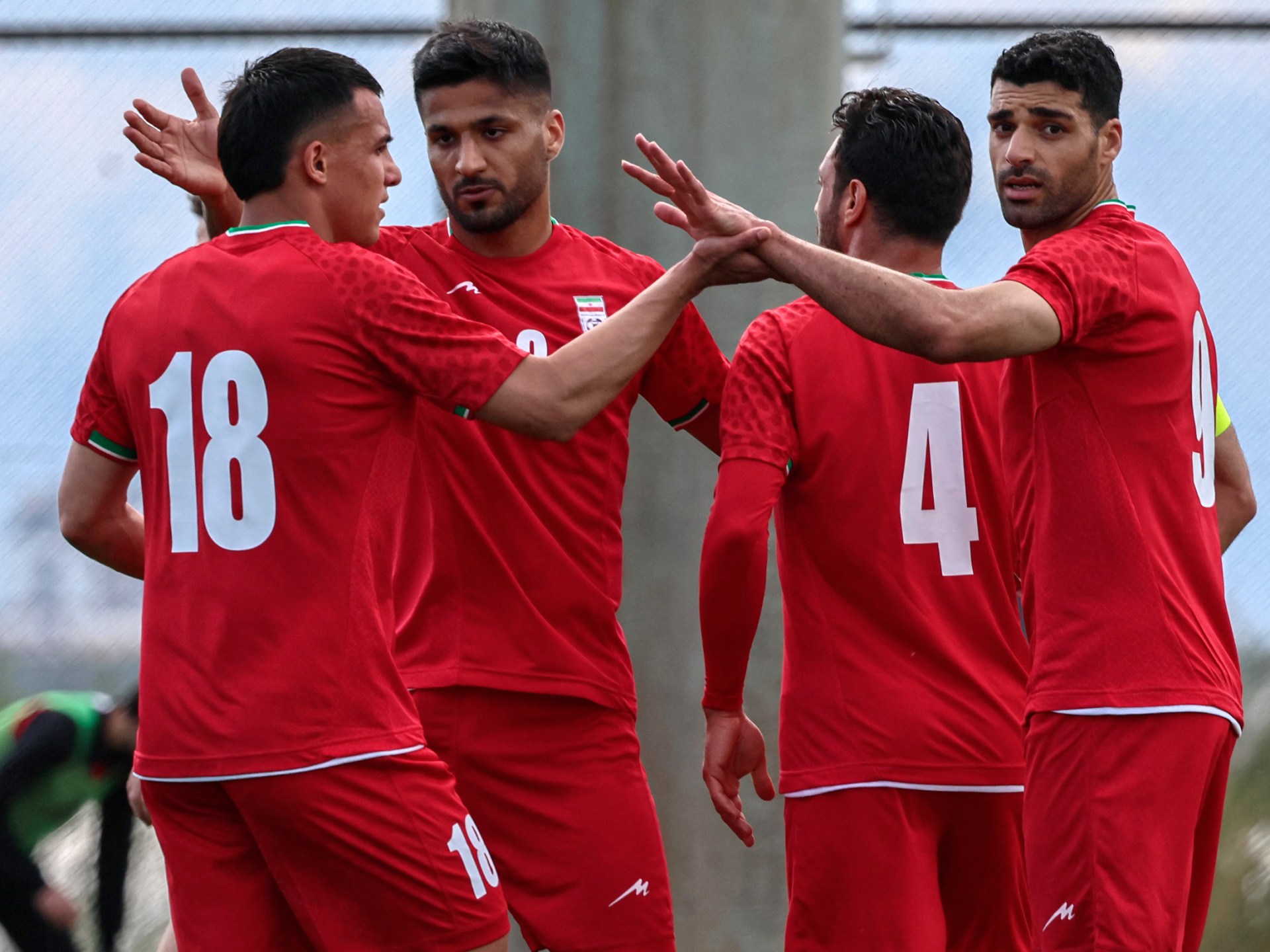
The trajectory of Iran’s participation in the upcoming World Cup remains uncertain, with official statements indicating that a final decision rests squarely on the security situation for the national squad within the United States. According to reports from the country’s sports ministry, while preparations for the global tournament are ongoing, travel to the host nation will not be confirmed until governmental authorities and the highest levels of national security have deemed the environment safe for the athletes.
This qualification hinges on geopolitical developments, particularly amid escalating tensions between Iran and the United States. Although the matches are slated to take place across the American continent, concerns over regional stability have cast a pall over the team’s ability to travel and compete. Despite this external pressure, training regimens for the squad are reportedly continuing as planned.
What This Means:
The conditional nature of their participation injects a significant layer of geopolitical risk into the sporting event. Instead of focusing solely on athletic readiness, the national team and its federation are forced to balance sporting ambitions with complex diplomatic and security considerations. The government’s stated involvement in the final go-ahead means that international football schedules are secondary to internal security assessments, making the trip vulnerable to shifts in political stability.
Background / Context:
The initial uncertainty intensified following periods of heightened regional tension. While FIFA generally expressed confidence in the team’s presence, previous comments from a prominent American political figure had openly questioned the appropriateness of Iran competing in the tournament due to safety concerns. Officials within the Iranian sports apparatus, meanwhile, had previously advocated for alternative arrangements for their matches, suggesting logistical difficulties within the designated host country. The current situation illustrates how international sporting bodies can become entangled in volatile international relations, requiring high-level governmental approval to proceed with participation.
About the Author