International Scrutiny Looms Over Lebanon as Unrest Triggers Investigation into Legal Compliance
Amid escalating tensions in southern Lebanon, international bodies are preparing to conduct a comprehensive review of the military actions occurring across the region. United Nations investigators are scheduled to arrive soon to examine the situation, focusing on potential breaches of international humanitarian and human rights law. This diplomatic focus signals a commitment to documenting conduct from all parties involved in the current hostilities.
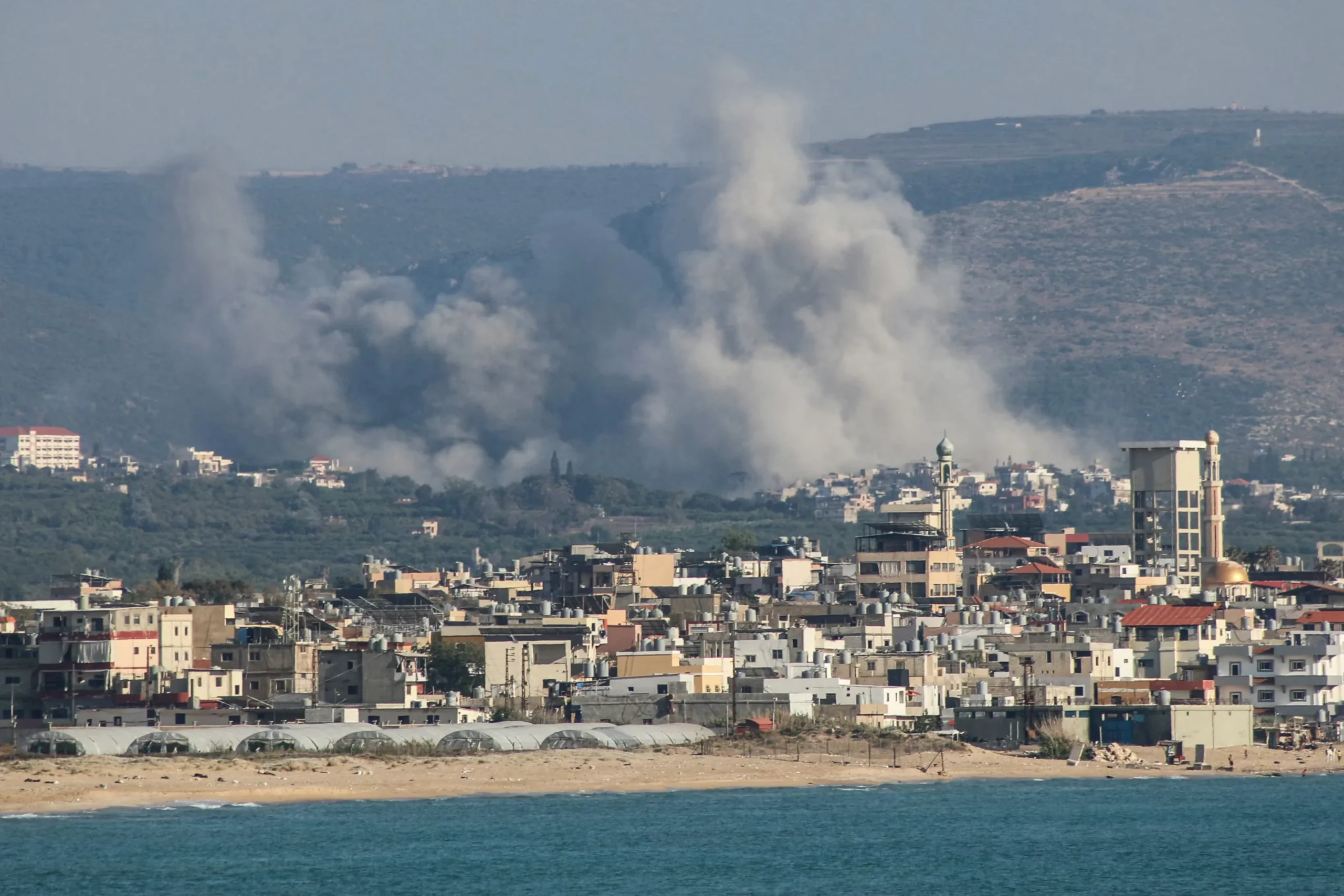
The heightened alert reflects recent military engagements in areas near Tyre and throughout southern Lebanon. Reports indicate multiple strikes, with casualties tallied across several communities. These incidents have further fueled calls for an impartial assessment of adherence to established laws of armed conflict, placing the focus on the methods and consequences of the ongoing fighting.
What This Means for Regional Stability
The deployment of a UN investigative team signifies a major escalation in the international focus on the conflict’s legality. By promising to evaluate violations committed by every side, the mission aims to establish a detailed record of actions for future accountability. For the civilian population, this monitoring effort underscores the urgent need for protected humanitarian corridors and safe evacuation pathways, issues repeatedly cited by observers on the ground.
Furthermore, eyewitness accounts have questioned the feasibility and safety of any planned departure from affected areas. Concerns center on whether evacuation promises are realistic, given the risk of continuous military targeting and the need for secure passage routes, all of which are critical components of international civilian protection standards.
Context of Humanitarian Concerns
The need for such a detailed legal audit is set against a backdrop of civilian suffering. Official statements indicate that local governmental leaders have previously advocated for rigorous documentation of any potential war crimes. This proactive push to catalog incidents suggests a sustained concern within Lebanon’s own political sphere regarding the long-term accountability for human rights violations.
The UN’s willingness to launch this multi-faceted investigation—covering both international law and human rights law—sets a precedent for detailed post-conflict review. It emphasizes that compliance with established global protocols is viewed as paramount when military force is deployed in densely populated areas, ensuring that documentation serves not just a report, but a measure toward upholding international justice.
About the Author