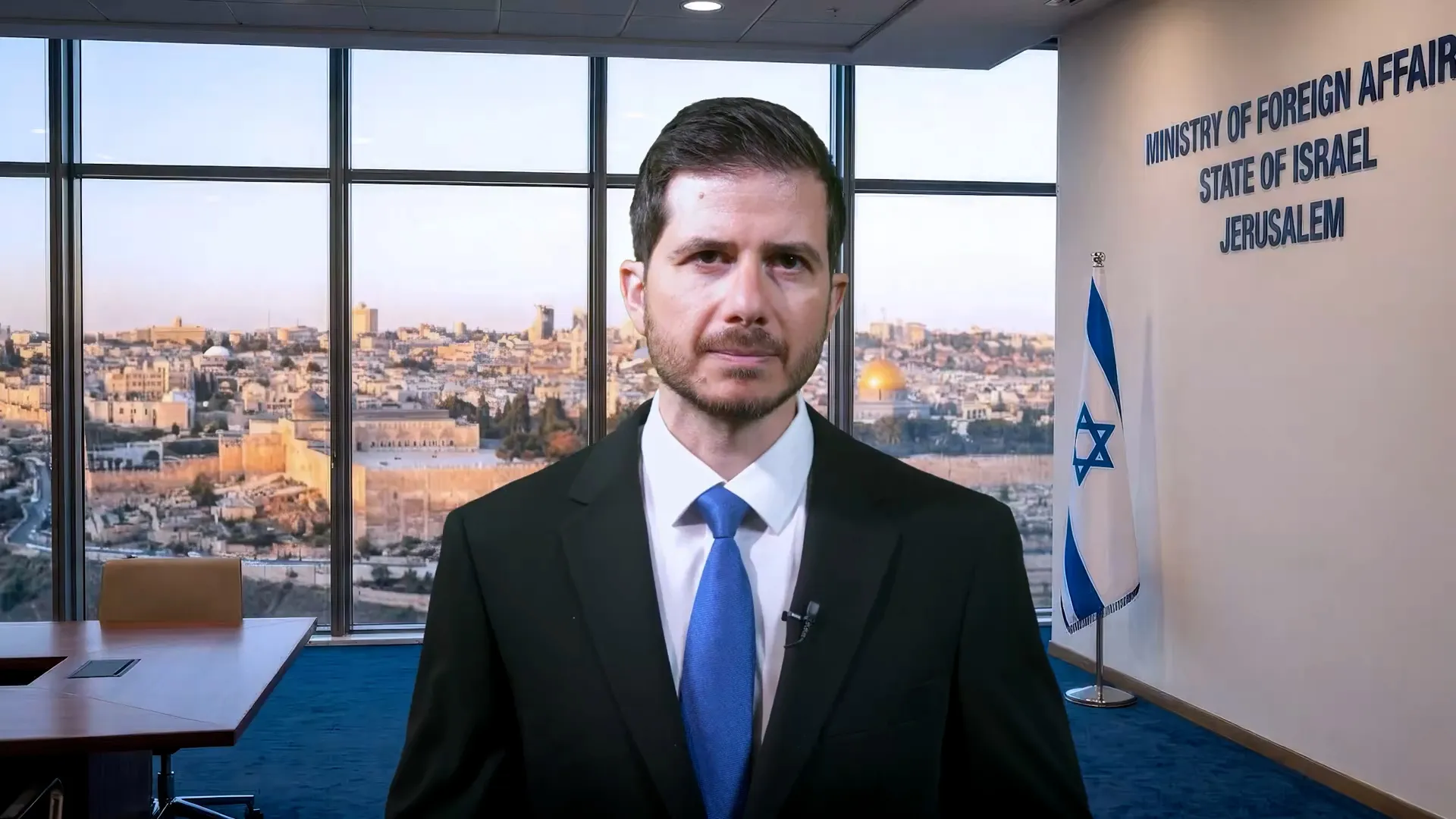
Diverging Realities: Diplomatic Messaging Versus On-the-Ground Safety Concerns for Christians in the Middle East
Recent statements emanating from diplomatic channels have presented an optimistic narrative regarding the ability of Christian communities across the region to practice their faith peacefully alongside Israeli citizens. These remarks suggest a climate of stability and mutual coexistence, painting a picture of religious freedom upheld within the current environment. Such pronouncements often aim to reassure global constituencies about the safety and acceptance enjoyed by Christian populations inhabiting the Levant.
However, this carefully curated diplomatic message contrasts sharply with the reports filtering in from the ground. An alarming pattern of escalating violence and aggressive incidents targeting Christians across various locations signals a deep divergence between official pronouncements and the lived realities of religious minorities. These rising episodes of hostility pose significant challenges to the proclaimed stability, raising serious questions about the practical safety net for Christian adherents.
What This Means for Local Communities
The stark contrast between official assurance and actual violence carries profound implications for the daily lives of Christian residents. When diplomatic assurances of peace are undermined by increasing episodes of unrest or targeted aggression, it forces these communities into a state of heightened vigilance. For local religious leaders and community members, the message suggests that while international advocacy remains strong, immediate physical security is becoming increasingly tenuous. This situation underscores a growing gap between high-level policy messaging and the volatile security calculus on the ground.
Background Context: The Fluid Nature of Religious Security
The status of religious minorities in the Middle East has historically been characterized by complex and rapidly shifting dynamics. While the region possesses ancient and significant Christian heritage, the contemporary security landscape is subject to multiple stresses, including geopolitical tensions and internal instability. Official assurances of ‘peaceful practice’ often function within a specific political context, which may not accurately reflect localized flashpoints or the strain placed on community life by external conflict. Experts tracking regional stability often advise caution, suggesting that official statements must be weighed carefully against patterns of localized unrest and documented acts of violence to gauge the true level of safety available to minority groups.
About the Author




