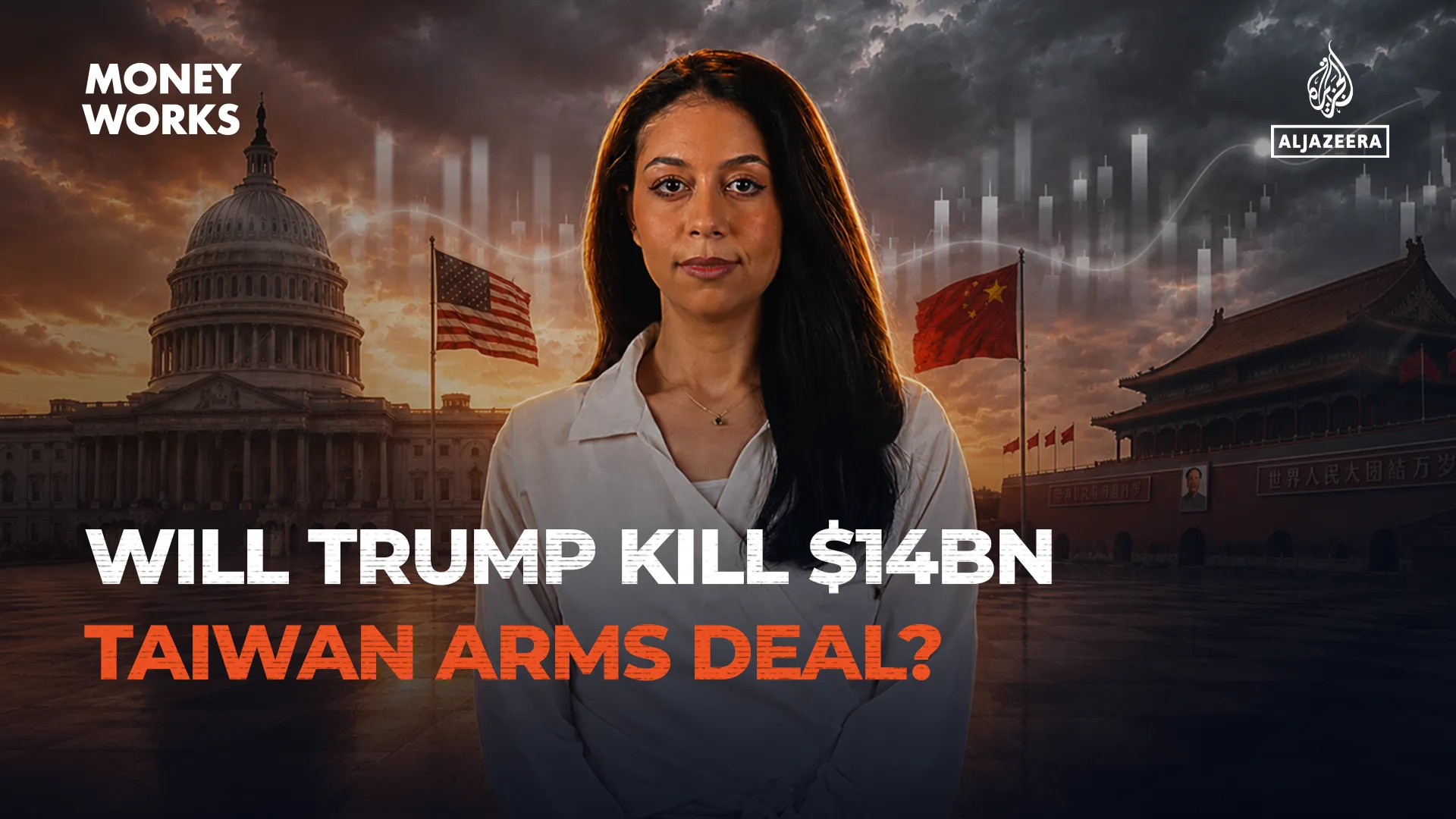
Navigating Geopolitical Tensions: The Future of Taiwan’s Major Defense Procurement Amid Shifting U.S. Policy
The trajectory of Taiwan’s significant defense procurement programs is currently under intense scrutiny following high-level diplomatic engagements involving the United States and China. Questions have emerged regarding the long-term commitment to substantial military hardware sales, particularly following recent summits between influential world leaders. This uncertainty casts a shadow over what was intended to be a critical bolster to Taiwan’s national defense capabilities.
At the heart of the discussion is the scale of the support—representing billions of dollars in advanced weaponry—that the United States has reportedly provided or signaled its continued support for. Such major defense agreements are not merely commercial transactions; they are deeply embedded elements of complex geopolitical relationships and strategic deterrence calculations. Therefore, any perceived shift in US policy could create immediate ripples through Taiwan’s defense industrial base and its security planning.
Understanding the motivations behind these extensive arms transfers requires looking beyond the immediate dollar figures. The provisions of advanced defense equipment are fundamentally rooted in broader strategic alliances and the maintenance of a regional balance of power. These arms packages are viewed by defense analysts as tools designed to contribute to a specific regional security architecture.
Significance of Defense Aid to Taiwan
The consistent provision of advanced military technology represents a substantial commitment by the US to regional stability, according to reports. These arms sales are framed within the context of deterring potential external threats and ensuring the self-defense capabilities of Taiwan. The materiel transferred often includes cutting-edge systems, ranging from advanced fighter jets to sophisticated naval assets, all aimed at enhancing the island nation’s ability to withstand a conflict.
For the receiving nation, these supplies are vital for modernization efforts. They allow defense planners to integrate state-of-the-art technology into existing defense doctrines, ensuring that their military readiness keeps pace with evolving regional military capabilities. The depth and breadth of this support underscore the depth of the diplomatic ties and the shared security concerns perceived between the two parties.
Broader Context: Deterrence and Great Power Competition
The provision of advanced weaponry to Taiwan does not exist in a vacuum; it is intrinsically tied to the escalating strategic competition among major global powers. The security dialogue surrounding Taiwan is frequently characterized by underlying tensions relating to territorial claims and geopolitical influence in the Asia-Pacific region. Consequently, military assistance serves a dual purpose: bolstering the recipient nation while simultaneously sending a clear signal to other regional actors regarding established security frameworks.
When major political figures meet, the discussions inevitably touch upon the architecture of security commitments. The perceived future stability of these defense partnerships, therefore, becomes a critical barometer of how these larger global power dynamics are expected to play out in the near term. Analysts are closely monitoring pronouncements to gauge whether the bedrock support for Taiwan’s defensive modernization remains robust despite potential shifts in political leadership or international focus.
Implications for Future Defense Planning
Should the flow or nature of this support falter, the implications for Taiwan’s defense posture would be significant. The nation would need to rapidly reassess its procurement strategies, potentially accelerating efforts toward greater self-sufficiency or diversifying its defense sourcing from other international partners. Meanwhile, for the supplying nations, any reduction in support would necessitate an overhaul of their own stated strategic goals and alliances in the region.
About the Author




