The Complex Journey to Tournament Readiness
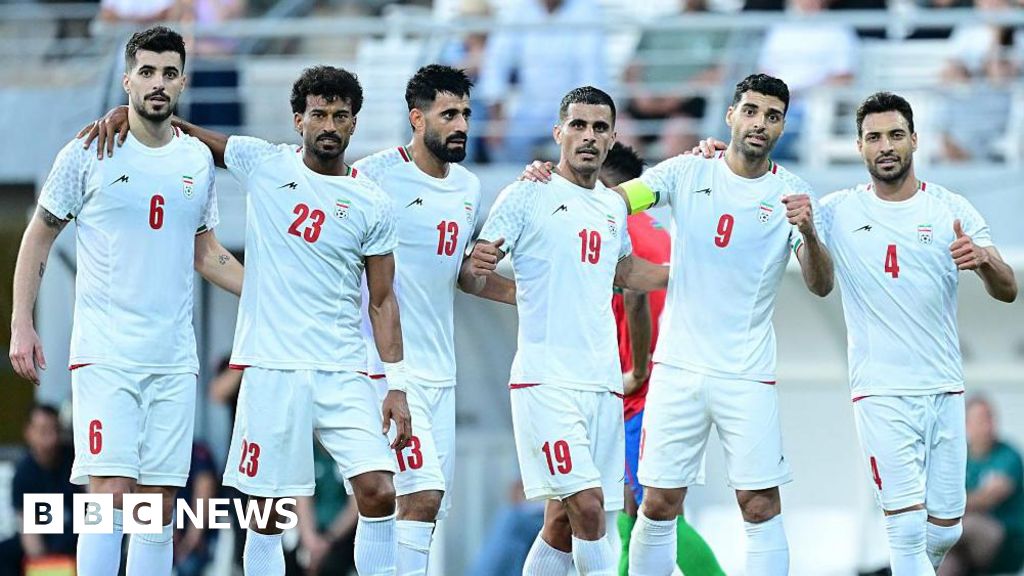
Iran’s path to participating in the upcoming global football tournament has proven to be far more complicated than simply securing qualification. Initial preparations and expectations were significantly challenged by the volatile regional security environment. Amid ongoing geopolitical conflicts, the national football team found itself dealing with logistical and diplomatic hurdles that cast a long shadow over their intended participation structure.
Much of the uncertainty centered on residency permissions and access to the host nation. Despite initial approvals for player visas, the scope of necessary clearances proved inconsistent. Key supporting personnel, including figures associated with the national football federation, faced difficulties in obtaining the requisite documentation. These restrictions underscored the delicate relationship between the team’s participation and the current international climate.
Adapting Operations Away From Original Plans
In response to the evolving diplomatic landscape and the operational difficulties faced in the initial location, the Iranian squad executed a significant adjustment to its base of operations. After receiving authorization from FIFA, the team relocated its preparatory camp. This move saw the group change from a previously planned stay in an Arizona city to Tijuana, Mexico. This change reflects a strategic reassessment of its physical staging ground while maintaining competitive readiness for the tournament’s group stage fixtures, which are set to occur across various US cities.
Significance and Context of International Relations
The necessity of these adjustments highlights the enduring complexities in the relationship between Iran and the United States. Historically marked by decades of strained diplomatic ties, the sporting arena has often served as one of the few arenas allowing for structured interaction between the two nations. Past matches between the teams have held notable historical resonance, occasions that transcend mere sport due to the depth of international political sentiment surrounding the contest.
What This Means for the Tournament
The situation underscores a crucial point: participation in major international sporting events is often subject to broader geopolitical realities. The team’s ability to proceed with the competition, despite the visa scrutiny and the relocation of its base, demonstrates a high level of organizational adaptability. However, the specific entry and exit guidelines mandated by authorities suggest a requirement for highly controlled movements for the players during their time within the US territory, adding an extra layer of operational constraint to the team’s travel plans.
About the Author