The Shifting Dynamics Between Beirut and Damascus
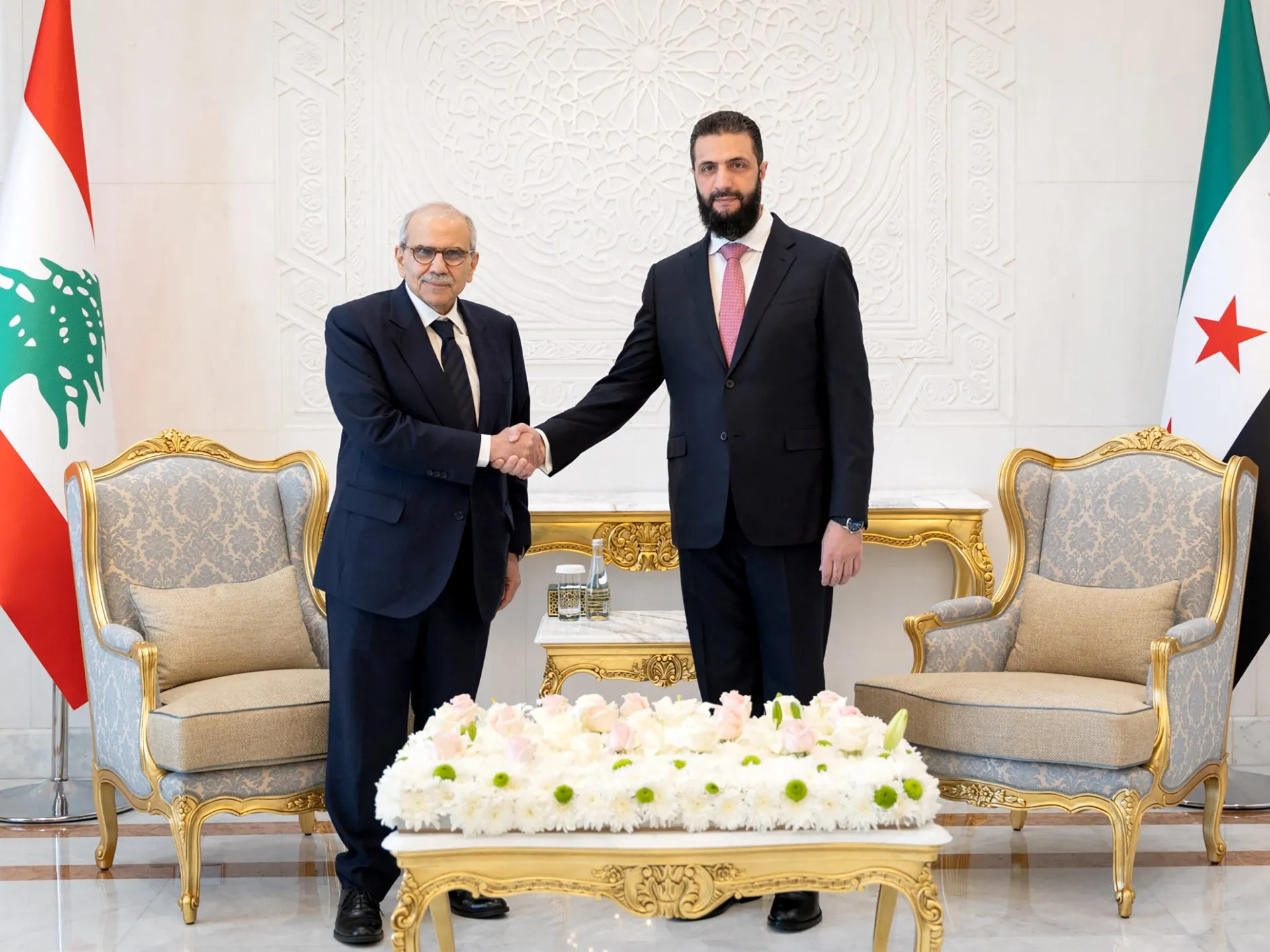
Recent high-level exchanges between Lebanon and Syria signal a deliberate pivot in the historical relationship between the two nations. These interactions are emphasizing mutual sovereignty and formalized cooperation, moving away from decades where Syrian political and security influence held significant sway over Lebanese affairs. The current diplomatic overtures suggest an effort to recalibrate the historical imbalance, aiming for a partnership built on the premise of two independent and equal states.
This renewed diplomatic framework is unfolding against a backdrop of severe regional instability. Both Lebanon and Syria continue to contend with external military actions and territorial occupations, creating a unique and volatile operational environment. Despite these pressures, the commitment to normalizing relations at a high political level appears to be the primary strategic focus for both capitals, signaling a concerted effort to manage their shared future.
What This Means for Regional Stability
The recalibration of Lebanese-Syrian ties is significant because it represents a clear attempt to de-emphasize past patterns of dominance. By re-framing their relationship institutionally, the parties are signaling a desire for autonomy in their respective foreign policies and internal governance. For Lebanon, this shift implies a gradual reduction in reliance on Syrian patronage for its domestic stability and geopolitical positioning. This reassessment of power dynamics could unlock pathways for greater national self-determination in Beirut.
Furthermore, the departure of the former ruling family from Syria has fundamentally altered the geopolitical landscape that once governed the bilateral relationship. This systemic change necessitates a complete rethinking of alliances and operational dependencies for both countries, making their mutual diplomatic alignment more crucial than ever.
Historical Context of Interdependence and Conflict
The relationship between the two countries is deeply interwoven with complex historical precedents. Following the establishment of Lebanon as a modern entity under a mandate separate from the broader region, historical borders created different societal and political trajectories. These divisions were later punctuated by periods of intense military intervention, with Syrian involvement in Lebanon notably shaping political life for several decades.
This long history of overlapping spheres of influence meant that political developments in one nation frequently dictated the stability of the other. The recent seismic shifts—culminating in the collapse of the established Syrian governance structure—have rendered the old models of dependency obsolete. The current diplomatic moves are thus not merely routine; they reflect a necessity to build a bilateral structure appropriate for a dramatically transformed regional reality.
In essence, the focus has moved from managing a paternalistic relationship to negotiating a modern alliance between two sovereign entities navigating a challenging geopolitical era, marked by external conflict and internal rebuilding efforts.
About the Author




