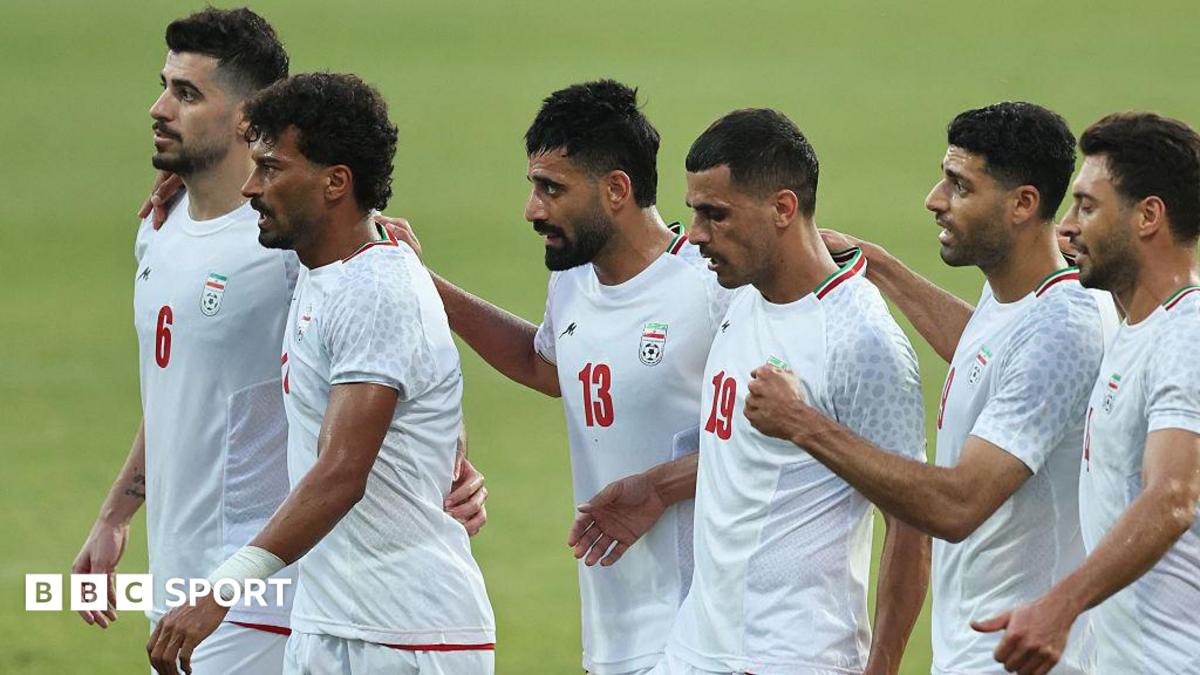
Addressing Fan Access: FIFA Mobilizes Efforts Following Ticket Restrictions for Iran
FIFA has initiated efforts to secure ticket access for supporters traveling to the World Cup, particularly following the sudden revocation of Iran’s allocated group-stage tickets. With the tournament kicking off across Canada, Mexico, and the United States, the focus is on finding a solution that allows Iranian supporters to attend matches, despite significant regulatory obstacles.
The situation has become complex due to external governmental regulations, specifically restrictions impacting financial transactions involving Iran within the United States. These limitations have effectively hindered the ability of authorized channels to secure and distribute the tickets designated for the Iranian contingent, which had previously been planned for matches in Los Angeles and Seattle.
What This Means: The Immediate Impact on Supporters
The inability to process ticket sales through standard means creates immediate uncertainty for thousands of fans who have already made extensive travel and logistical arrangements. The initial allocation of tickets, which typically provides an 8% share for each participating nation’s federation for its games, cannot currently be made available for purchase. If a resolution is not found swiftly, the tickets designated for Iran’s participation risk being returned to the general sale pool, leaving supporters stranded or disappointed.
The controversy has sparked vocal discontent among national supporters’ groups. These bodies have publicly criticized the situation, questioning whether political considerations are unfairly overshadowing the purely sporting nature of the global event. There is a palpable sentiment that the restrictions place undue barriers on the lawful attendance of supporters.
Background and Context: The Complexity of International Sports Governance
The governance of major international sporting events like the World Cup is inherently fraught with the intersection of sport, national policy, and international finance. While the sporting organization works to ensure the smooth flow of athletic competition, the logistical and commercial aspects are deeply entangled with the economic regulations of the host nations and the home countries of the participating teams. This confluence means that sanctions or trade restrictions in one jurisdiction can cascade, unexpectedly disrupting plans made by global sporting bodies.
The Iranian Football Federation noted that such interruptions raise serious concerns regarding the principle of sporting fairness. They emphasized that international tournaments should uphold neutrality and rely solely on established, impartial sporting regulations. The current dispute thus centers not just on ticketing, but on maintaining the perceived integrity and impartiality of the world’s premier football competition amidst geopolitical pressures.
About the Author