Six Individuals Face Treason Charges Following Alleged Coup Attempt Against Nigerian Presidency
The Nigerian legal system has formally charged six individuals with the severe crime of treason, stemming from alleged efforts to overthrow the current administration. The charges, brought before the Federal High Court in Abuja, accuse the defendants of conspiring to wage war against the state with the aim of subverting the presidency. The seriousness of the charges indicates a deep concern from federal authorities regarding internal security threats.
The legal proceedings are set to take place before a judicial officer, with the six named defendants expected to appear for hearing. While the official documentation details the conspiracy to challenge the government, the charges also encompass related accusations, including allegations of terrorism and financial misconduct. A notable figure linked to the investigation, a former governor and oil minister, remains at large, with documentation placing him in the scope of the probes.
The Context of the Accusations
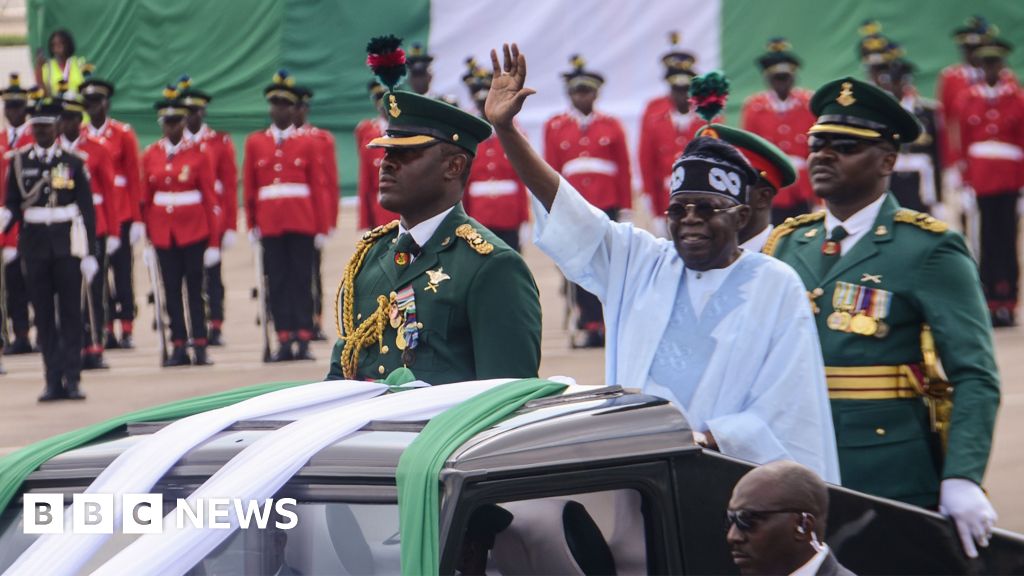
The emergence of these serious accusations appears connected to a series of heightened security alerts that occurred earlier in the year. Initial rumors surfaced in October following the sudden cancellation of a planned military display scheduled to commemorate Nigeria’s Independence Anniversary. At the time, the official reason cited was security concerns, but speculation rapidly escalated, linking the cancellation to potential plans for a destabilizing seizure of power. While the military initially refuted such theories, the tension remained palpable.
Implications for National Stability and Governance
These legal actions underscore the government’s determination to swiftly address and prosecute any threats against its established constitutional order. The prosecution’s case against the six defendants suggests a well-organized effort to destabilize the nation’s leadership. The focus on treason implies that the authorities view the actions as a direct challenge to the core sovereignty of the Nigerian state.
Furthermore, the ongoing legal maneuvering highlights the intersection of political rivalry and national security. The charges against those involved, particularly those connected to high-level government roles in the past, suggest that the government is pursuing a broad crackdown on political opposition perceived as threatening the continuity of the executive branch. This ongoing legal saga keeps the focus squarely on internal political stability and the rule of law in the wake of these grave allegations.
About the Author