Political Tensions Force Pakistani Withdrawal from Regional Women’s Football Showdown
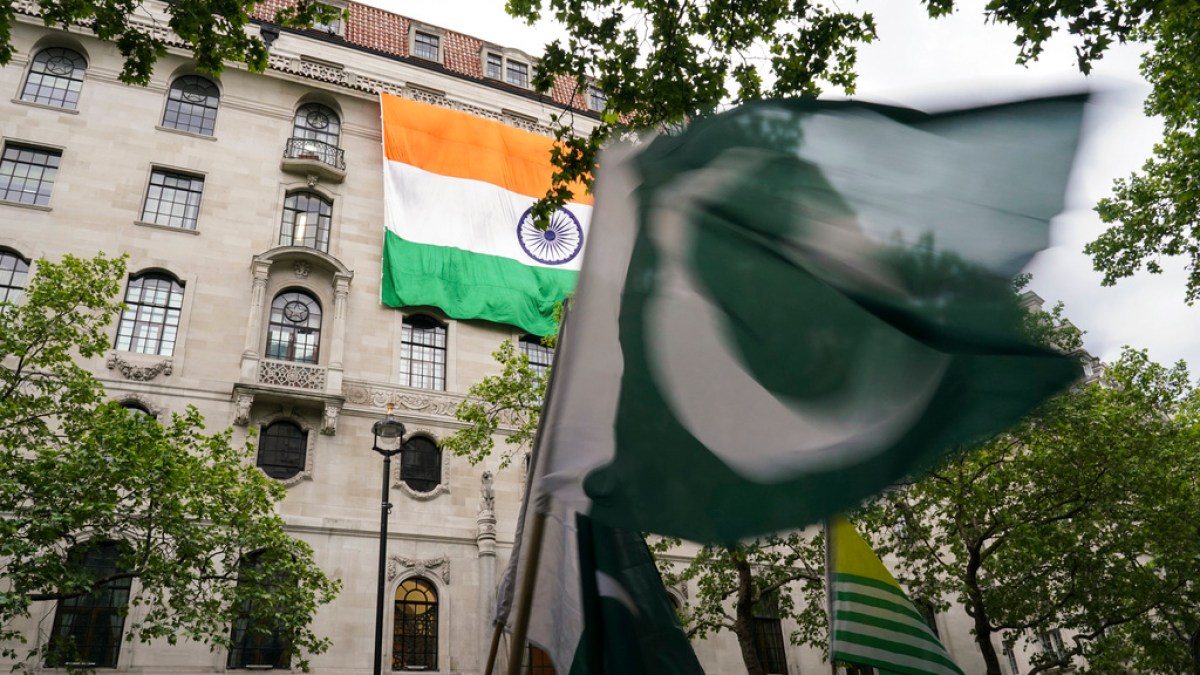
Ongoing geopolitical friction between India and Pakistan has directly impacted regional sports commitments, leading Pakistan to pull its national women’s football team from the upcoming SAFF Women’s Championship scheduled in Goa. The inability of the Pakistani squad to secure the necessary governmental clearances for international travel effectively barred their participation in the South Asian regional tournament.
While Pakistan remains a recognized member of the South Asian Football Federation (SAFF), the current strained relationship between the two nations has created a significant barrier to cross-border athletic travel. Officials within the Pakistan Football Federation confirmed that the essential No Objection Certificate (NOC) required by relevant authorities could not be obtained, forcing the withdrawal from the competition slated to run through early June in the Indian state of Goa.
The Impact of Cross-Border Disputes on Sport
This situation exemplifies how deep-seated political disagreements can override sporting calendars and athletic participation. The required travel documentation acts as a direct reflection of the wider diplomatic strains between the countries. Rather than focusing solely on athletic competition, the immediate hurdle for the athletes became the logistical and governmental red tape associated with international movement between neighbors.
The tournament structure itself saw Pakistan’s absence noted when the finalized schedule was announced. The competition will proceed with a group breakdown featuring various neighboring countries, while the host nation, India, will participate in a different grouping alongside other participating teams.
Context of Sporting Rivalry and Diplomatic Barriers
The rivalry between Indian and Pakistani sports teams has long been interwoven with the complex, often volatile, history between the two nations. Their deep-seated, decades-long relationship has frequently seen sporting events interrupted by political disputes, resulting in cancellations or withdrawals.
More recently, these tensions have been formalized through official policy statements. Reports have surfaced regarding the imposition of travel restrictions by the Indian sport ministry, barring Indian athletes from traveling to Pakistan for sporting events, and simultaneously prohibiting Pakistani athletes from visiting India for bilateral competitions. Despite these high-level restrictions, when both countries have competed in multi-national sporting arenas, these matches have historically been conducted at pre-agreed neutral locations to ensure the continuation of the athletic contest.
Looking Ahead for Regional Sports
The withdrawal underscores a persistent challenge facing regional sports bodies in South Asia. While sporting bodies like SAFF aim to foster camaraderie and athletic development through tournaments, the overarching political climate frequently dictates the feasibility of participation. The necessity for bilateral clearances means that athletic achievement remains inextricably linked to diplomatic goodwill, making cross-border competition unpredictable.
}N/A_FOR_INPUT>
About the Author