Diplomatic Snub Highlights Deep Divisions in International Sports Governance
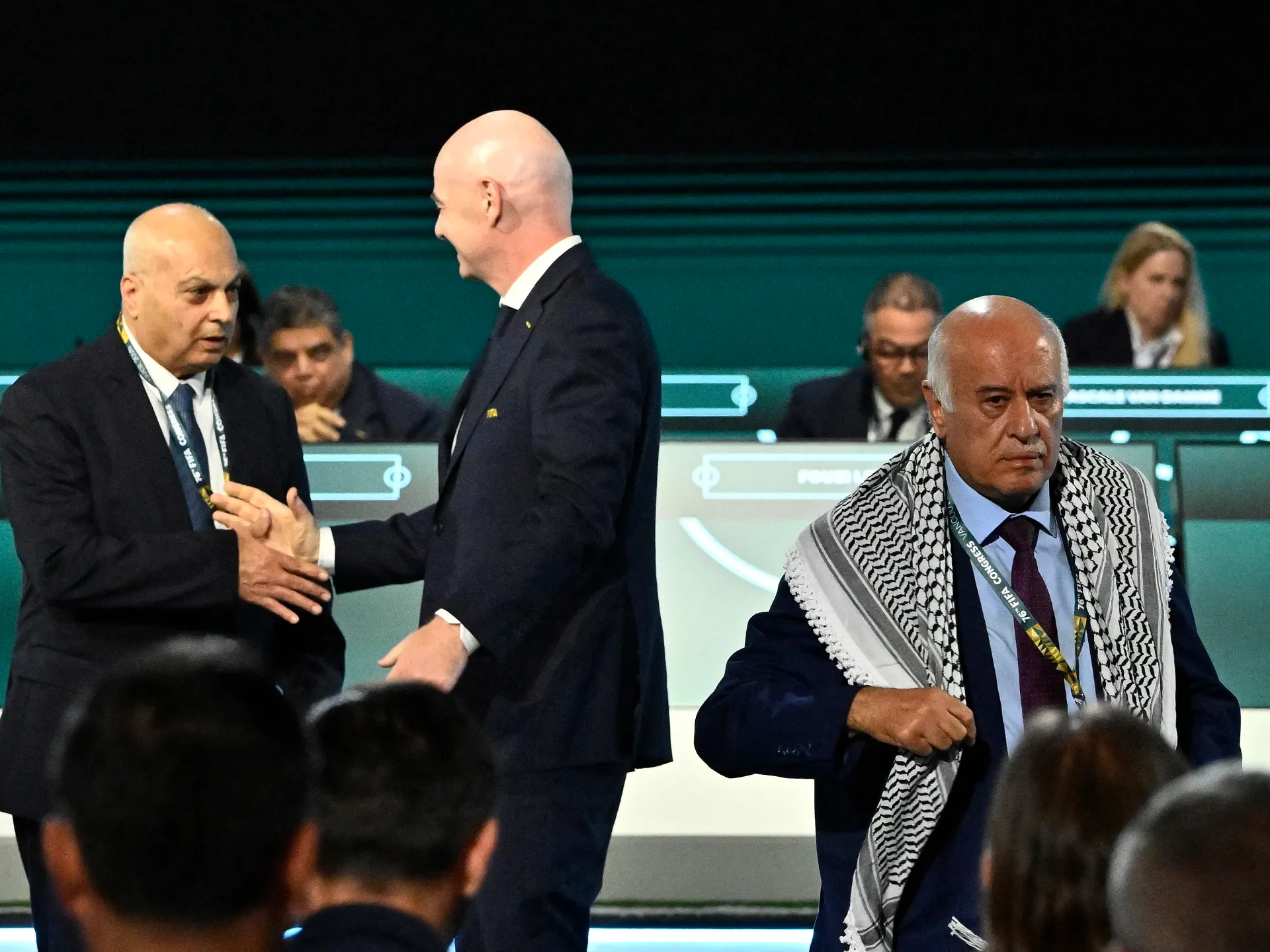
A palpable atmosphere of tension dominated the recent FIFA Congress when representatives from Palestinian and Israeli football bodies found themselves positioned near one another. The conflict escalated into a visible confrontation when the head of the Palestinian Football Association reportedly refused to stand in proximity with the Vice-President of the Israeli Football Association. This refusal occurred during a public engagement called by FIFA leadership, underscoring significant, ongoing geopolitical disagreements within the world of international sport.
The refusal was highly publicized, drawing attention to the profound divergence of political views impacting sporting governance. When attempts were made to bring the two leaders together, the Palestinian representative made it clear that such gestures were unacceptable given the political climate. This incident highlighted a fracture line running through the administrative and representative levels of global football organizations.
The Underlying Conflict: Sovereignty and Recognition
The friction at the congress is symptomatic of a much deeper dispute concerning the legal and sporting standing of football clubs operating in disputed territories. Specifically, the Palestinian football body has repeatedly challenged the legitimacy of sporting bodies that incorporate clubs situated within West Bank settlements. These clubs, for Palestinians, are seen as undermining the vision of a future Palestinian state, leading to organized protest within the sports governance sphere.
The dispute intensified recently when the Palestinian FA took legal action, appealing to a major international sports arbitration court regarding FIFA’s perceived inaction. They argued for a uniform standard that prohibits the participation of teams whose origins are tied to disputed settlements. These actions position the dispute as a significant challenge to the established rules and precedents governing member associations worldwide.
Impact on Global Sport Governance
The incident raises critical questions regarding the political neutrality expected of international sports bodies. Critics argue that high-level diplomatic disagreements are inappropriately spilling over into technical sporting meetings, potentially overriding the core mission of promoting athletics. The spectacle itself suggested that attempts by top FIFA officials to smooth over these disputes through symbolic gestures, such as handshakes, were viewed by key stakeholders as insufficient or even dismissive of the profound political concerns raised.
The episode serves as a stark reminder that international sporting organizations are constantly navigating the perilous intersection of geopolitics and athletic competition. The differing viewpoints suggest that without a unified approach to membership standards and territorial status, such high-profile confrontations are likely to persist, casting a shadow over the perceived unity of global football administration.
About the Author