Resumed Air Links Signal Potential Re-engagement Between the US and Venezuela
The resumption of direct commercial air service between the United States and Venezuela marks a significant symbolic and logistical shift in relations between the two nations. The landing of the first such flight in Caracas concluded a prolonged period of suspension, effectively reestablishing a vital travel corridor that had been dormant for nearly seven years. This return to direct air connectivity suggests a thawing of previously strained diplomatic and economic interactions, moving beyond the status quo established years ago.
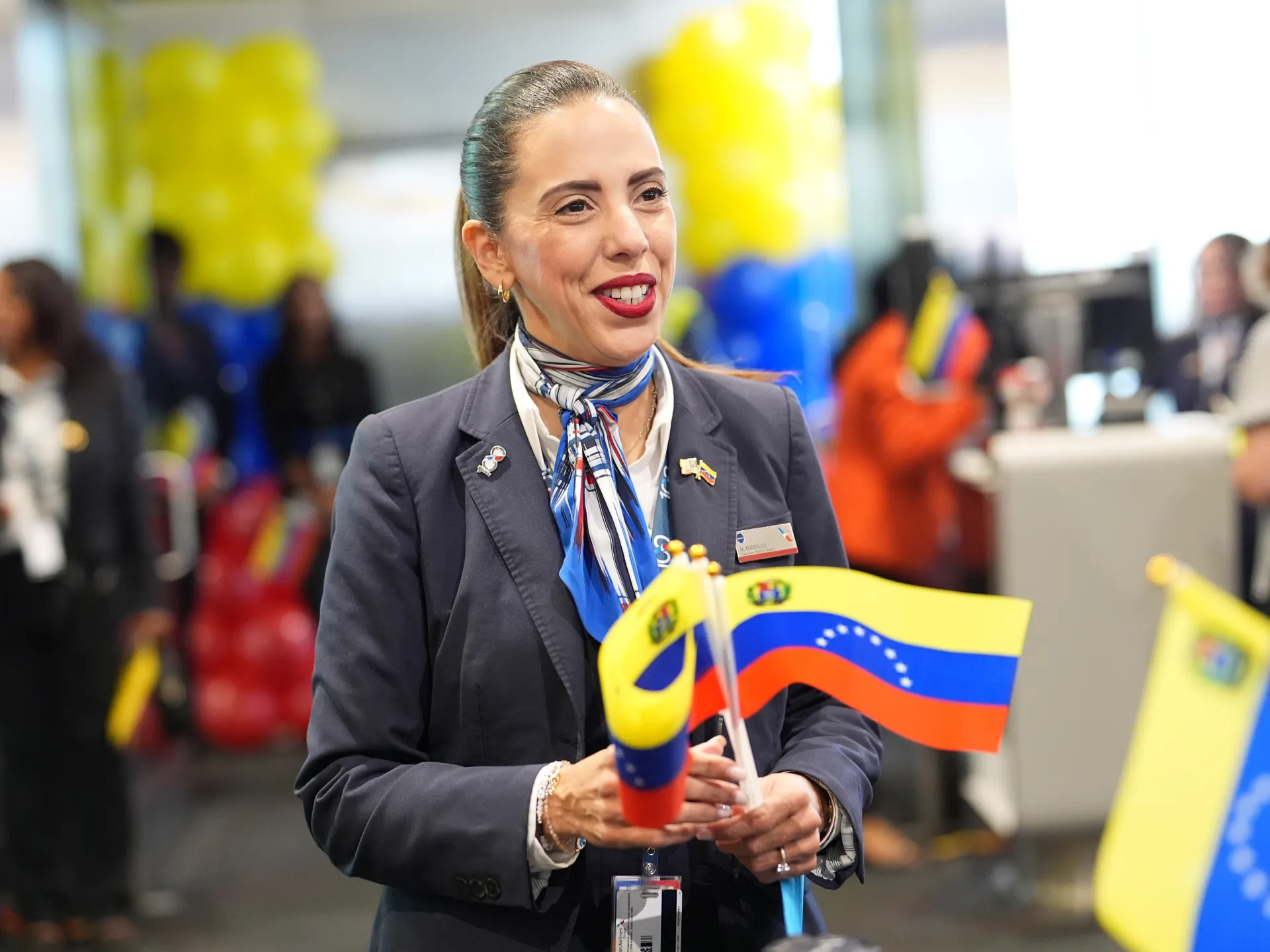
The operational restart, spearheaded by a major US carrier, was marked by notable fanfare at the departure airport. The event was framed not merely as the resumption of a route, but as a key indicator of potential economic revitalization for both American and Venezuelan markets. Official statements accompanying the service highlighted the passage of this milestone as more substantial than a simple commercial itinerary, pointing instead to broader opportunities for mutual growth and strengthened bilateral ties.
For years, those wishing to travel between the two countries were forced to utilize complicated, multi-stop journeys routing through intermediary Latin American hubs. This protracted reliance on indirect travel underscored the deep fissure in the relationship. Now, the return of the direct link suggests an environment where routine commerce and personal travel can once again operate with greater ease and efficiency.
What This Means: A Turning Point for Commerce and Diplomacy
The revival of regular, non-stop passenger service points toward a tangible degree of normalization in the relationship dynamics. Economically, the reestablishment of this air connection lowers the barrier for business travel, facilitating quicker interactions between professionals, investors, and industry partners from both sides. Diplomatic observers view this resumption as a clear indication that the political climate has shifted enough to support the movement of people and goods. It signals a desire, at least at the operational level, to normalize interaction following periods of intense international disagreement.
Furthermore, the nature of the operational restart—marked by celebratory displays and the provision of local refreshments aboard the aircraft—suggests an effort to publicly frame the change in a positive, forward-looking light. This careful staging indicates that the reinstatement of the flight is being treated as a public relations achievement that accompanies potential deeper levels of engagement.
Background and Context: The Years of Separation
The severing of direct commercial ties between the two countries occurred amidst a period of intense political volatility. The abrupt end to regular transatlantic air links was directly linked to significant shifts in international diplomatic alignment regarding the Venezuelan government. For a substantial duration, the US Department of Homeland Security had suspended this critical air passage due to elevated security considerations. This hiatus meant that for a considerable time, air travel between the two nations was effectively curtailed for commercial purposes.
N
The return of the flight, therefore, represents more than just scheduling updates; it signifies the re-opening of a long-dormant circulatory system of connectivity. While the geopolitical undercurrents remain complex, the practical reopening of the air route provides concrete evidence of a renewed, if cautious, momentum toward restoring a semblance of normalcy in one of the hemisphere’s most strategically important corridors.
About the Author