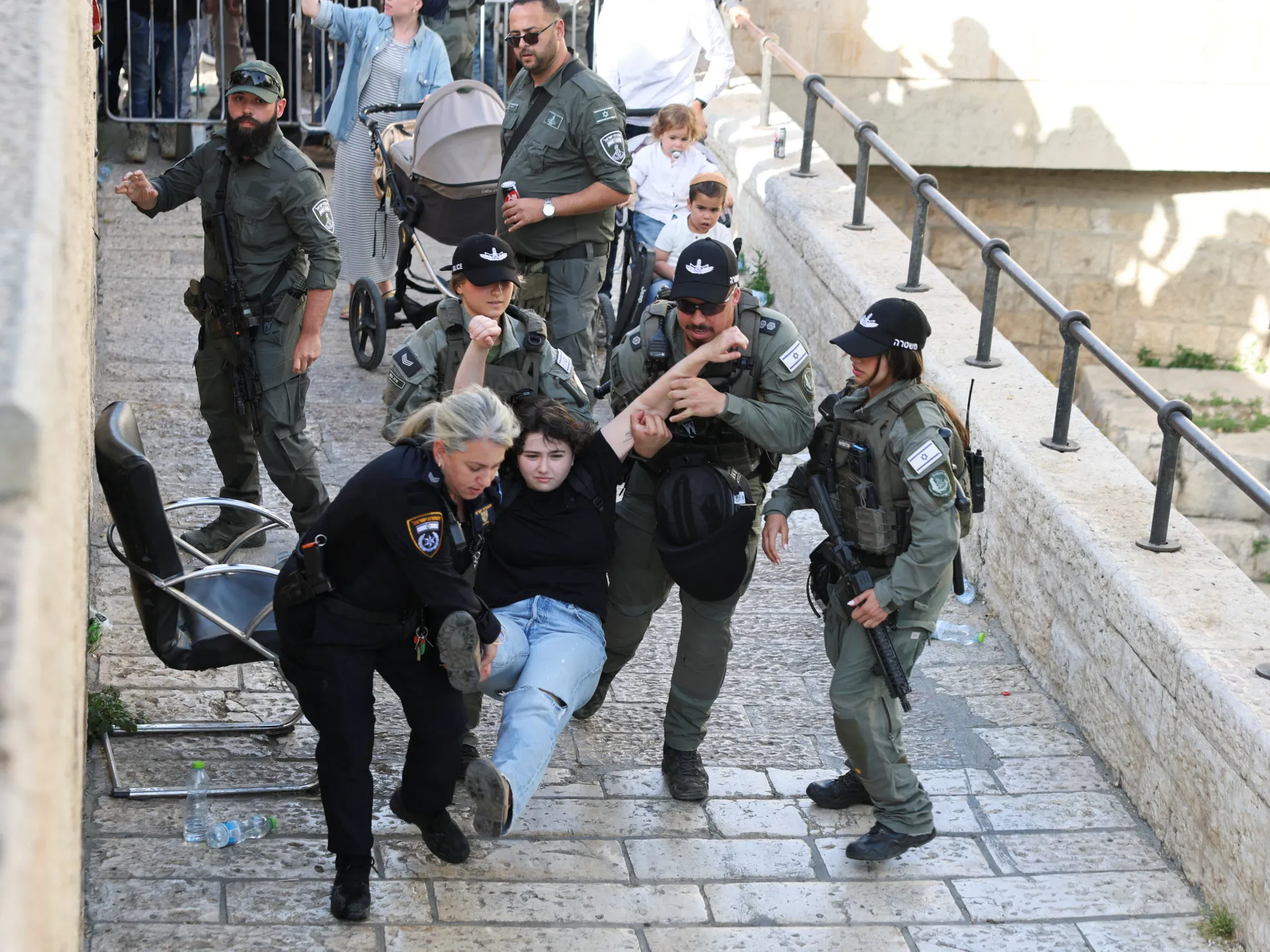
The recent weeks have been marked by a significant surge in tensions and clashes across the occupied Palestinian territories, fueled by religious commemorations, escalating settler activities, and ongoing military operations. High-profile events, such as the annual Jerusalem Day celebrations, were accompanied by visible confrontations, with ultra-nationalist groups engaging in provocative demonstrations. These demonstrations featured chants directed at Arab residents and included actions that protestors alleged targeted local shops and communities within the Old City. Simultaneously, there has been a visible effort by some political figures to assert maximalist claims over religious sites, leading to increased restrictions and tensions regarding access for Palestinian worshippers.
Beyond Jerusalem, the violence has been widespread, extending across both the West Bank and Gaza. Local reports detail numerous instances of settler aggression—including coordinated assaults on villages, property theft, and arson—often occurring under the presence or protection of Israeli forces. These actions have directly led to casualties and the displacement of several families. Furthermore, the administrative and political environment remains tense, highlighted by the enforcement of new, controversial legal measures in the West Bank.
These escalating flashpoints suggest a period of profound instability, where religious fervor intersects with deep political and territorial disputes. The pattern of violence observed—ranging from civil disruptions in major historical cities to aggressive movements in rural communities—points to a systemic build-up of friction. The combination of militant action in Gaza and concerted civil and governmental pressures in the West Bank suggests a sustained effort to reshape the on-the-ground demographic and political reality before anticipated upcoming national elections.
About the Author




