Papal Scrutiny Highlights Human Rights and Inequality Concerns in Equatorial Guinea
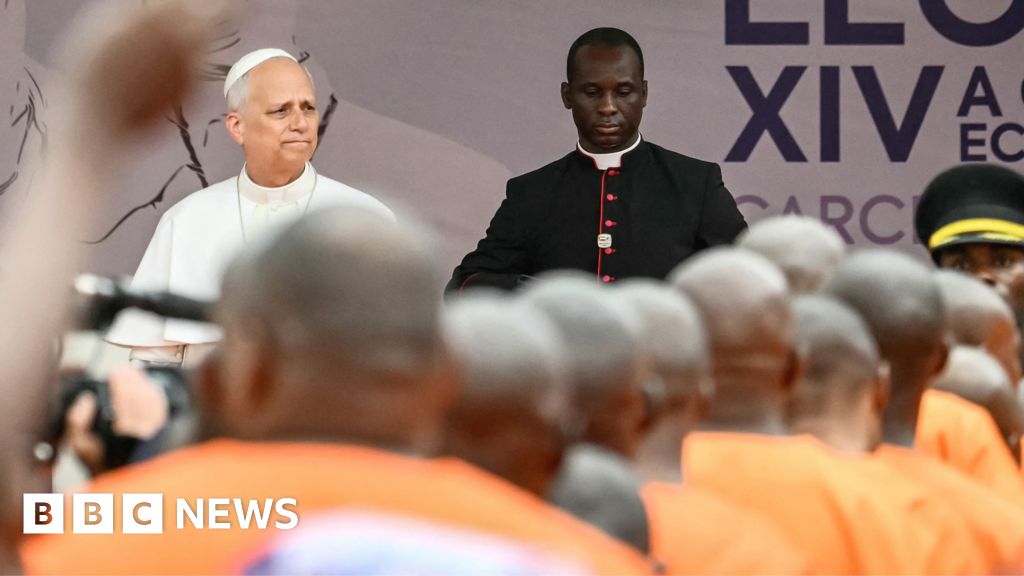
During the final leg of a significant tour across the continent, the Pope issued pointed statements concerning the humanitarian situation within Equatorial Guinea. The pastoral visit, which gathered substantial crowds, served as a platform for the spiritual leader to voice deep concerns regarding the treatment of incarcerated individuals and broader societal imbalances within the resource-rich nation.
The papal address focused heavily on the welfare of the marginalized sections of the population. Specifically, attention was drawn to the poor and the detained community, citing what the Pope observed as inadequate sanitary and hygienic conditions for those imprisoned. Furthermore, the leadership was urged to direct the nation’s substantial natural wealth toward the collective benefit of all citizens, rather than allowing it to enrich a select, privileged class.
The Weight of Natural Wealth and Governance
The visit underscored a stark divergence between Equatorial Guinea’s considerable natural assets and the quality of life experienced by many of its citizens. Official statements indicate persistent issues regarding governance and the equitable distribution of oil revenues. The message conveyed was one of stewardship, suggesting that the nation’s immense endowments must be managed collaboratively to uplift the entire populace, and not just a wealthy few.
Concerns were also raised regarding the custodial facilities in the economic capital. Reports surrounding the local prison highlighted alarming conditions, including accounts of routine physical punishment and significant uncertainty regarding the whereabouts and well-being of many inmates. These observations contributed to a broader critique of the national atmosphere, pointing toward systemic deficiencies in human welfare.
Broader Implications for the Nation’s Future
The papal discourse placed a significant emphasis on the populace’s collective responsibility in charting the nation’s future course. The appeal was clear: that the trajectory of the country hinges on the community choosing unity and common good over self-serving private interests. This call for social cohesion resonates against a backdrop of widely reported discrepancies between official wealth and the lived realities of the general population.
These high-profile pronouncements serve to draw international attention to pressing governance and human rights issues. They advocate for institutional reform that ensures accountability and promotes a genuinely inclusive economy, moving beyond mere resource extraction to foster broad societal improvement.
About the Author