Underlying Organization Fuels Tensions at Newark Detention Site
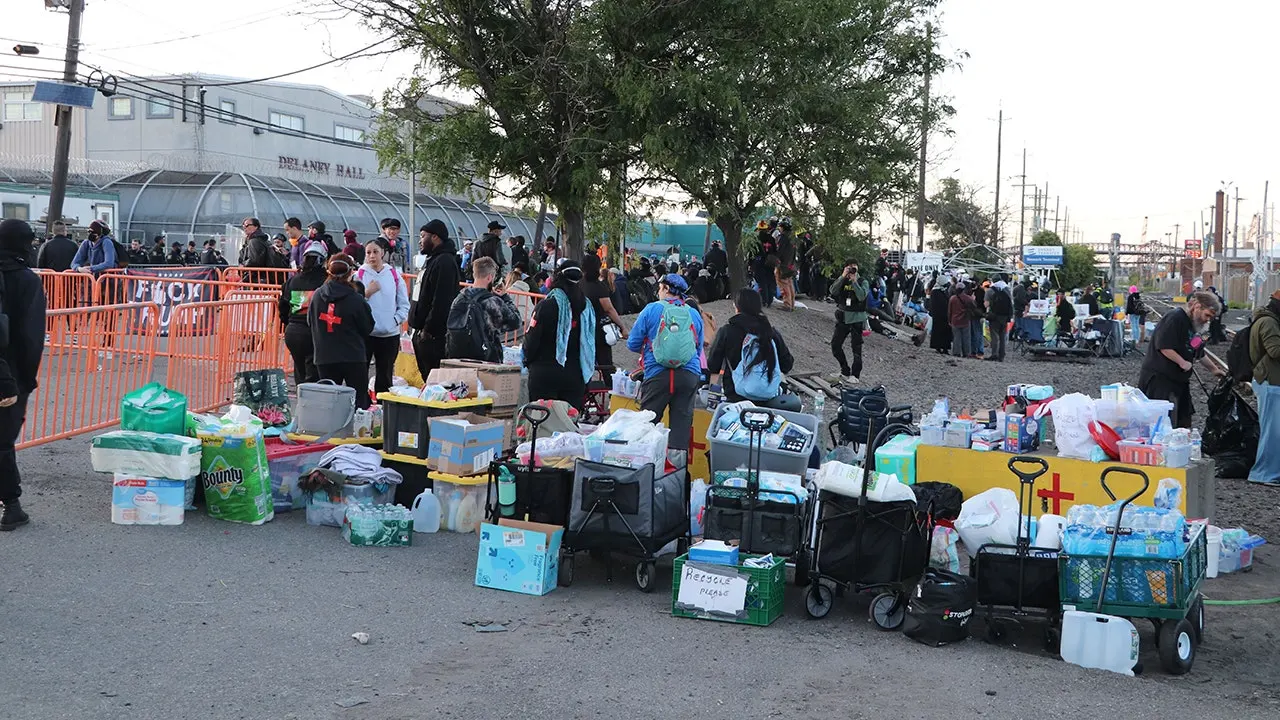
Observations from the periphery of the protests near the Delaney Hall detention facility revealed a significant degree of logistical preparation among some demonstrators. Rather than appearing as spontaneous gatherings, elements of the crowd had seemingly established organized support operations. These stations were equipped with a variety of protective materials, suggesting an anticipation of potential confrontations or extended civil action.
Stockpiles observed included protective gear such as goggles, hard hats, and masks, alongside necessities like duct tape and various medical supplies. The visible readiness—from specialized respirators to protective headwear—pointed to a level of foresight and planning beyond what might be expected at the outset of demonstrations. This preparation suggests that participants were anticipating a protracted and potentially volatile sequence of events.
Significance of the Preparations
The visible organization raises questions about the nature of the unrest. The availability of such tailored equipment and resources implies coordination among segments of the protest movement. Such pre-positioning of assets is notable because it suggests that various groups were ready to sustain a lengthy presence at the site, indicating a commitment to continuing the advocacy or confrontation despite potential official countermeasures.
Furthermore, the convergence of groups—including individuals identifying with various far-left and socialist organizing principles, alongside others claiming alignments with far-right organizations—created a complex tableau. This mingling of differing ideological factions under one banner points to a broader, multifaceted street mobilization rather than a single, unified purpose.
Context of the Standoff
The unrest centered around Delaney Hall followed initial claims made by detained individuals. These detainees had circulated written statements alleging severe mistreatment within the facility, including claims of inadequate nutrition and psychological duress. The department overseeing the facility quickly responded to counter these specific allegations by publicly releasing information detailing the nutritional provisions available to the detainees, including samples of their daily meal options.
This backdrop of conflicting narratives—accusations of mistreatment countered by official documentation of care—has fueled a prolonged state of tension. The emergence of such visible logistical support infrastructure, combined with the historical tensions surrounding immigration detention policies, underscores a deeply charged and politically charged atmosphere in the community surrounding the facility.
About the Author