Vivek Ramaswamy Advances in Ohio Republican Primary for Gubernatorial Bid
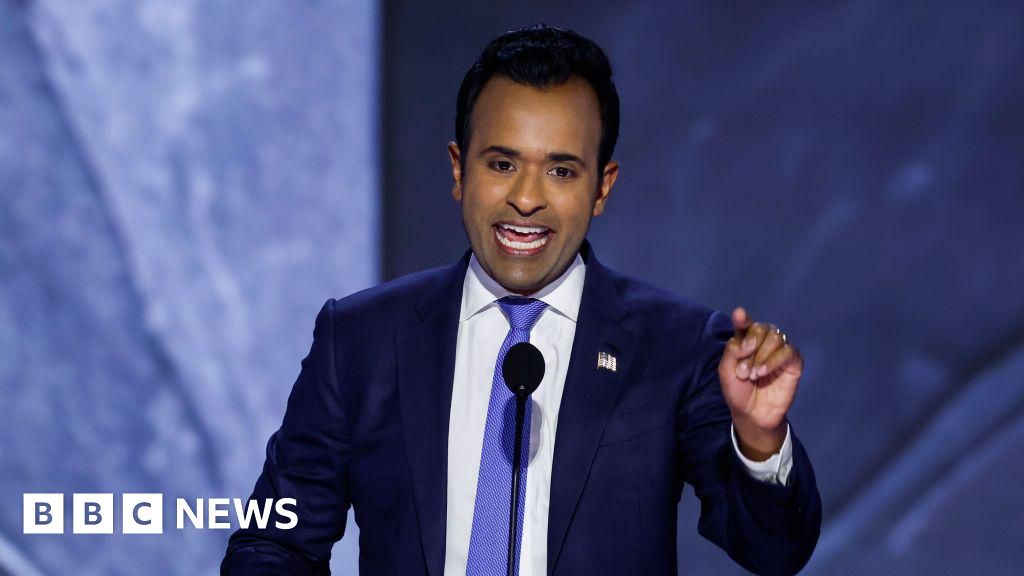
Vivek Ramaswamy has successfully secured the Republican nomination for the governorship of Ohio, positioning himself for a major challenge in the state’s general election. His victory in the primary contest establishes him as the Republican standard-bearer for a key Rust Belt state. The results indicate that he defeated fellow primary contenders, solidifying his path toward a showdown that will draw significant attention from national political observers.
The campaign narrative highlighted a strategic focus on the state’s top political target: the Democratic nominee, Amy Acton. Throughout the primary proceedings, Ramaswamy directed significant attention toward Acton, who is seeking to make life more affordable for working Ohio families. This focus suggests that the election’s central themes will revolve around economic policy and the perceived cost of living.
The State’s Political Currents and Implications
This gubernatorial race takes place against a backdrop of evolving political dynamics in Ohio. With the current governor unable to seek another term due to constitutional limits, the race presents a notable vacancy. The contest is further complicated by the national political environment, including the recent shifts in key figures within the Republican party, which appear to have benefited the momentum of Ramaswamy.
What This Means: A Focus on the General Election
Ramaswamy’s acceptance speech pointed toward the broader election cycle, suggesting that his primary victory is a stepping stone to larger political ambitions. The contest pits his platform and the Republican base against Acton’s message of making the state more economically accessible. The outcomes of this primary battle are viewed as a barometer for the strength of the Republican opposition in Ohio heading into the general election.
Background and Contextual Factors
Ramaswamy gained significant national visibility earlier in 2024 when he entered the presidential race. His highly visible participation in the debates garnered attention for his energetic style and direct commentary. Following his withdrawal from the presidential campaign, he maintained a visible association with Donald Trump, who publicly endorsed him following the gubernatorial primary. These endorsements, coupled with the state’s general trend toward Republican support in recent years, suggest that name recognition and party momentum played crucial roles in his primary success. The race for the governorship thus becomes a focal point for assessing Republican viability in a traditionally contested Midwestern state.
About the Author