Israeli Strikes Intensify Conflict in Southern Lebanon
A significant military escalation occurred in Lebanon when Israel conducted a large-scale series of aerial strikes on neighborhoods within the country. These strikes took place amidst heightened regional instability, occurring shortly after agreements were made elsewhere to temporarily de-escalate tensions in the Middle East. The rapid sequence of attacks targeted numerous locations, undermining hopes that broader diplomatic pauses in neighboring conflicts would translate into an end to the violence within Lebanon.
The current volatility stems from the protracted confrontation between Israel and Hezbollah, the armed Lebanese political faction that receives support from Iran. This conflict escalated dramatically following rocket fire originating from the Lebanese side, prompting a substantial military response from Israel, which included widespread air operations and an advance into southern Lebanese territories.
The Human Toll and Regional Ripples
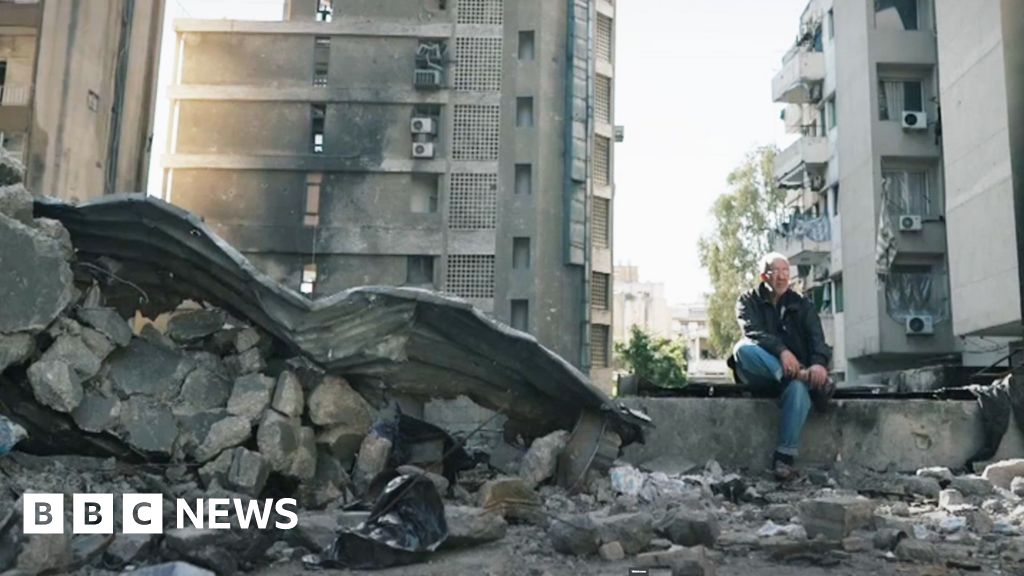
The consequences of this prolonged fighting have been devastating for the Lebanese population. Authorities within Lebanon have reported high casualty figures, and international bodies have indicated that a substantial portion of the country’s residents have been forced from their homes. The disruption has deeply impacted several local areas, with firsthand accounts painting a picture of widespread devastation where once-thriving centers of life have become scenes of abandonment and ruin.
The situation in Lebanon does not exist in isolation, as broader regional shifts continue to exert pressure. For instance, in unrelated developments, the United Arab Emirates announced its withdrawal from the Organization of the Petroleum Exporting Countries (OPEC). These events, alongside reports of localized crises in neighboring countries, underscore a period of major geopolitical flux across the Levant and the Arabian Peninsula.
Analyzing the Conflict’s Significance
The ongoing fighting highlights the deep-seated security dynamics and internal fault lines within Lebanon. The pattern of armed confrontation suggests a deep entanglement of regional power interests with local political realities. When major international powers attempt to broker ceasefires in one volatile corner, the repercussions can ripple unpredictably into neighboring hotspots, complicating any path toward stable peace.
Context of Escalation
Understanding this conflict requires looking at the escalation timeline. The initial confrontation began when militant groups fired projectiles into Israel. Israel responded with decisive force, leading to intensive military activity over a period of time. The civilian impact, encompassing displacement and loss of life, remains a critical humanitarian concern as international observers document the extensive damage across Lebanese communities.
About the Author