Navigating Illegal Passenger Transport in Corentyne
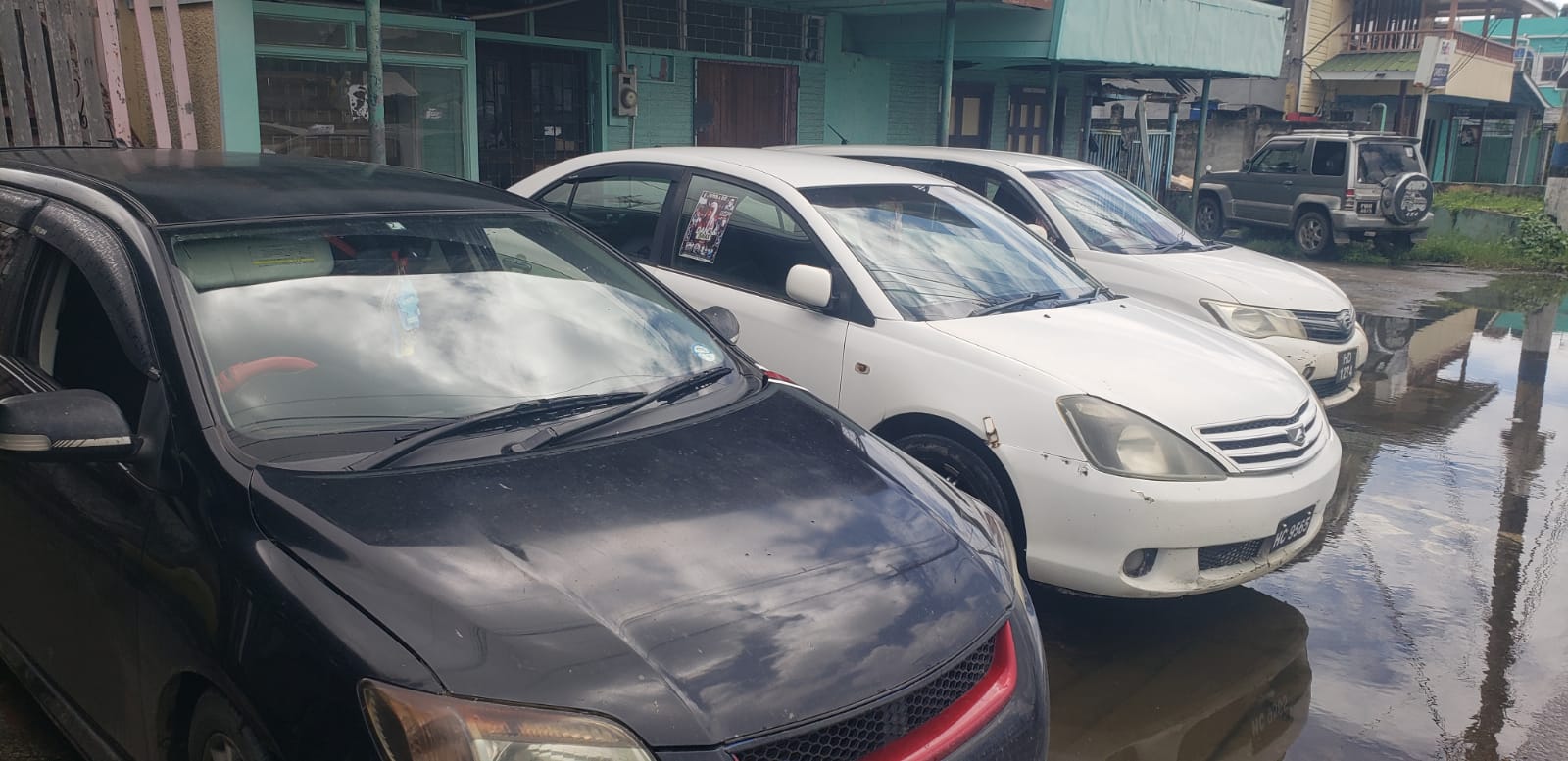
A significant dispute has emerged among licensed hire car operators in the Corentyne area, centered on the growing prevalence of private vehicles transporting passengers without proper authorization. These established operators contend that private car owners are capitalizing on the need for local transit while circumventing the regulations and operational costs that govern their own licensed businesses. The disparity in compliance standards is alleged to create an uneven playing field, directly impacting the financial stability of traditional, regulated taxi services.
Operators report that the influx of unregulated private transport has diminished their daily earnings. These licensed drivers operate within a framework that mandates adherence to specific operational guidelines, including rules governing vehicle aesthetics, music systems, and required fees. In contrast, the services provided by privately owned cars appear to bypass these mandatory requirements, leading to considerable distress among the local workforce.
The Economic and Safety Implications
The core concern articulated by the transport community is the erosion of fairness in commerce. According to numerous accounts, the economic strain on licensed drivers—exacerbated by rising costs such as fuel prices—is compounded by competition from unregulated sources. Furthermore, official advisories have underscored the critical safety risks associated with these impromptu transport arrangements. Authorities have cautioned the public that utilizing private cars for public hauling is illegal and potentially dangerous, as passengers might lack adequate insurance coverage should an accident occur.
Operational Oversight and Community Action
Local traffic officials have acknowledged the reality of private vehicles operating as informal transport services, sometimes managed entirely through phone bookings from residential addresses. They have emphasized that operating a private vehicle for hire without the necessary permits constitutes a violation of state regulations. In response, licensed operators are appealing to senior government authorities to intervene robustly. They are calling for immediate enforcement action to curb these unauthorized commercial activities, ensuring that all entities engaged in transporting the public adhere to a singular, equitable set of rules.
Contextualizing the Dispute
The current friction highlights broader issues of informal economies intersecting with strict regulatory frameworks. In regions reliant on localized transport services, maintaining a balance between facilitating public mobility and upholding commercial law is complex. While demand for affordable and accessible travel remains constant, the ability of regulated businesses to sustain operations is challenged when non-compliant competitors can undercut established financial structures without accountability.
About the Author