Technological Assistance in Conflict Zones: Reports Detail Robotic Aid During Evacuations
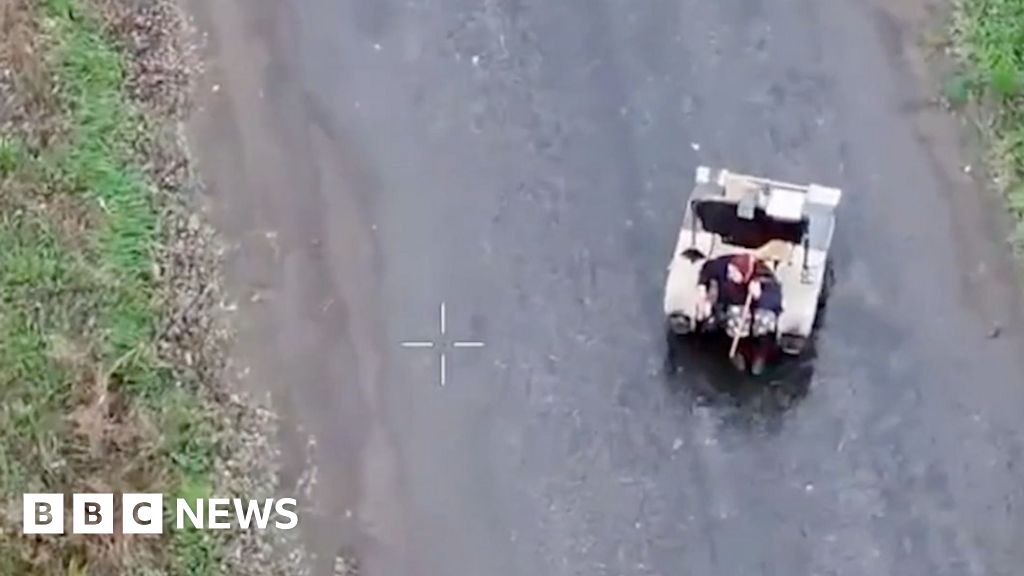
Recent reports have brought to light remarkable instances of advanced technology playing a crucial role in humanitarian and military operations in conflict areas. Footage circulating online has captured a powerful scene showing an elderly resident being assisted by a robotic unit while navigating through a devastated community. The initial detection of the individual appears to have been conducted via aerial surveillance, leading to the deployment of the machine to provide support.
The incident highlighted a growing integration of unmanned systems into frontline support roles. Beyond simple rescue mechanisms, these ground-based drones are increasingly vital for logistics, supplying necessary materials, and providing direct assistance to personnel operating near active conflict zones. This evolving capability marks a significant shift in how aid and security are managed in challenging environments.
The Broader Implications of Drone Integration
The reliance on drones extends beyond mere rescue missions. They offer a degree of safety and operational reach that is otherwise impossible for human teams to achieve consistently. By providing eyes in the sky and mechanical support on the ground, these technologies are fundamentally changing the risk profile for aid workers and military personnel alike. The ability to map damaged areas, deliver supplies, and guide evacuation efforts suggests a rapid maturation of these tools from novelty gadgets to essential infrastructure components in wartime settings.
Context of Aid and Conflict Reporting
These accounts of technological aid emerge within a complex global tapestry of ongoing conflict and crisis management. Discussions surrounding resource deployment, civil support, and the protection of vulnerable populations remain central to international reporting. Whether assisting civilians exiting damaged areas or supporting troops deployed far from established lines, the principle remains the same: leveraging technology to bridge critical gaps in immediate human need. Such operational examples serve to underscore the dual nature of modern technology—its potential for immense destructive force, but equally, its capacity for profound assistance when managed ethically and effectively.
About the Author