Heightened Regulatory Spotlight on Disney’s Broadcasting Assets
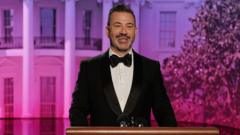
Disney’s involvement in broadcast media is facing an increased degree of regulatory examination following controversial remarks made by one of its late-night television personalities. The incident, which involved a seemingly innocuous joke concerning a high-profile public figure, has quickly escalated into a matter of corporate oversight. Industry observers and media analysts suggest that the controversy has triggered a review process concerning the licenses under which Disney operates its various broadcasting arms, including ABC.
This heightened level of scrutiny suggests that regulatory bodies are assessing whether the content standards and internal governance practices of major media conglomerates align with current public sentiment and legal guidelines. The connection drawn between the on-air commentary and potential regulatory action underscores a growing tension between free expression in entertainment and the expected behavioral standards of corporate-owned media entities.
The Underlying Significance of Content Oversight
The core issue revolves around the intersection of celebrity, political commentary, and corporate accountability. When a major media group faces pressure—whether from political spheres, advertiser concerns, or governmental oversight—regarding the content produced by its talent, it signals a wider industry discussion about editorial freedom. The focus shifts from merely judging a single joke to questioning the vetting and management procedures implemented by the corporation itself.
This type of situation forces a public dialogue about where the line is drawn between comedic satire and content that might violate implicit or explicit guidelines set by regulators or advertisers. For the corporation, the immediate challenge is damage control; for the regulators, it is an opportunity to re-examine the guardrails governing large-scale entertainment broadcasting.
Context of Media Scrutiny
In recent years, the relationship between major entertainment companies and political climate has become markedly complex. Public figures and the companies associated with them are increasingly viewed through a lens of political alignment, leading to periodic waves of intense public and institutional review. When a prominent media figure makes a remark referencing a politically sensitive topic, the fallout can quickly draw attention not just to the comedian, but to the parent company’s operational structure and commitment to maintaining a stable broadcast environment.
The pressure exerted in this instance highlights a growing expectation among stakeholders that broadcast entities must exercise extreme care in their programming and, indeed, in the personal conduct of their visible talent, to mitigate risks related to public backlash and potential regulatory repercussions. The outcome of any review could lead to significant operational adjustments for Disney’s broadcast division.
About the Author