High-Value Yacht Breaches Tensions in Strait of Hormuz Despite Regional Blockade
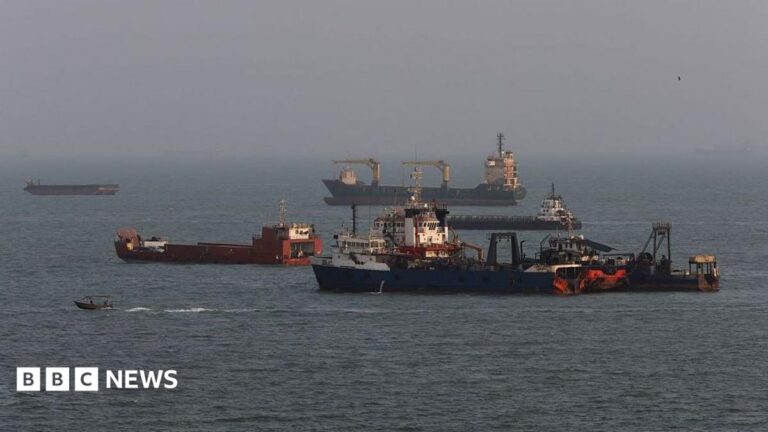
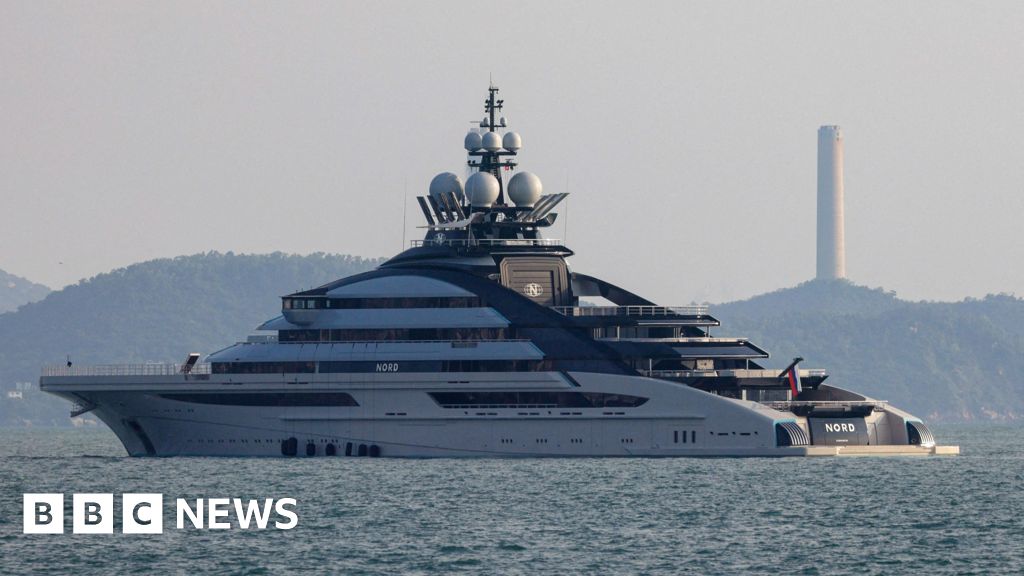
A luxury superyacht, reportedly connected to influential figures within Russian circles, recently transited the Strait of Hormuz, a crucial maritime passage currently subject to heightened geopolitical tensions and restrictions. The vessel, identified by the name Nord, undertook a journey from Dubai to Muscat, Oman, during a recent weekend period. Its passage is notable because the strait, which is vital for global energy transit, has seen significant limitations on commercial and private maritime traffic due to ongoing regional instability.
The passage of this high-value yacht raises questions regarding the adherence to current shipping restrictions imposed in the area. The waterway is critical because it serves as the conduit for an estimated fifth of the world’s supply of crude oil and liquefied natural gas. The movement suggests a level of operational continuity or perhaps an implicit allowance despite the stated warnings and measures taken by regional powers concerning vessels traversing the area.
What This Means: Implications for Global Trade
The ability of such an expensive, private vessel to move through the Strait of Hormuz carries significant implications for international trade confidence. When such key choke points experience high-profile transits by vessels linked to politically sensitive individuals, it draws attention to the complex dynamics of maritime passage rights. The transit suggests either a tacit agreement among relevant parties or a period where operational risks are being managed despite official warnings. For global energy markets, the routine movement of any vessel through this corridor remains a key indicator of stability in the global supply chain.
The ownership structure of the yacht itself adds another layer of complexity. While the vessel bears Russian flags, documentation indicates that its registration was managed by a company associated with the wife of a prominent Russian industrialist. This connection points to the intertwining of private wealth with geopolitical maneuvering, making the yacht’s movement more than just a simple transit.
Background and Context: A Tense Maritime Corridor
The Strait of Hormuz has long been recognized as one of the world’s most strategically important maritime passages. The region has been marked by severe tensions, prompting restrictions on shipping in recent weeks following escalations involving external military activities. Official statements indicate that regional actors have severely curtailed usual shipping patterns, issuing warnings that any approaching vessel could be subjected to targeting.
The industrialist associated with the vessel amassed substantial wealth primarily through Russia’s significant steel and mining sector. His elevated financial standing places him among the most notable Russian private citizens globally. The movements of his associated assets, such as this superyacht, therefore become subjects of intense scrutiny regarding patterns of global resource flow and the influence of major financial players amidst international disputes over freedom of navigation.
About the Author